
Last updated November 25, 2026
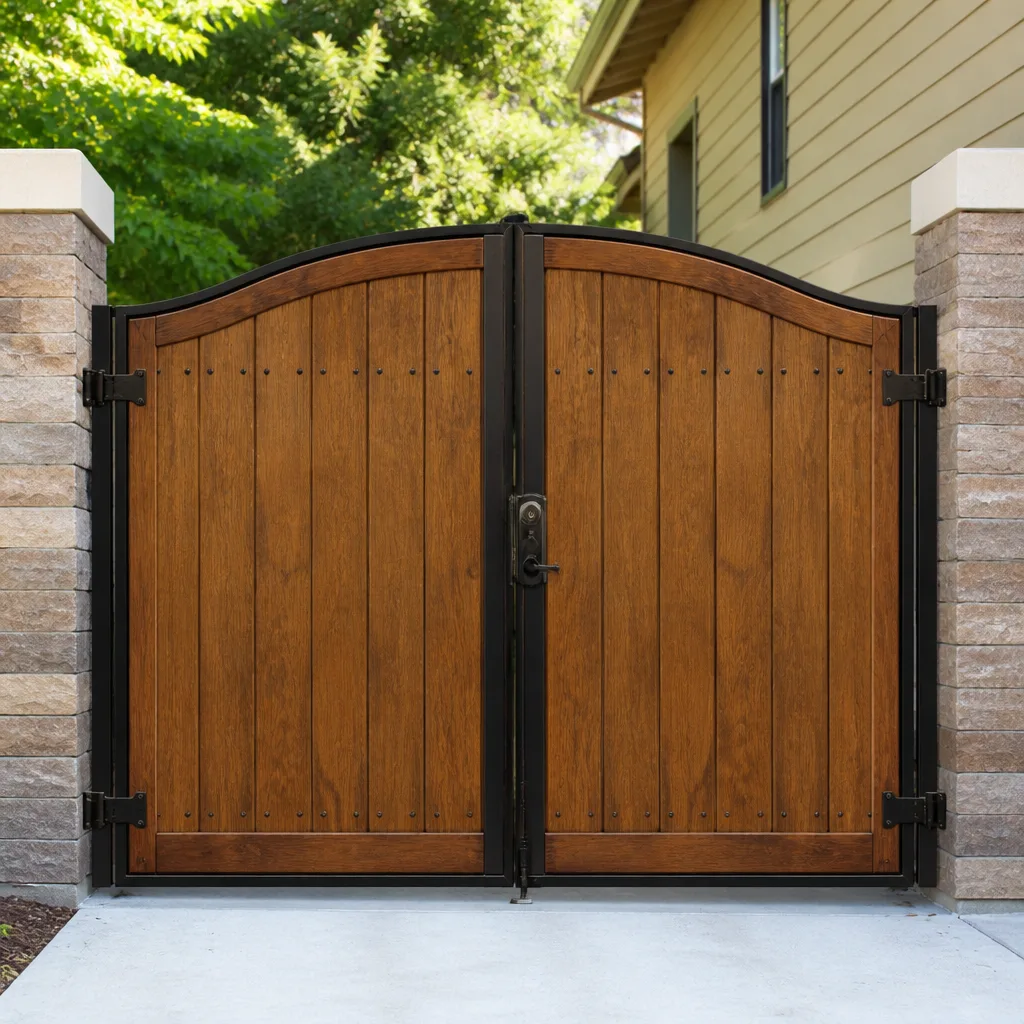 Wood & steel frame
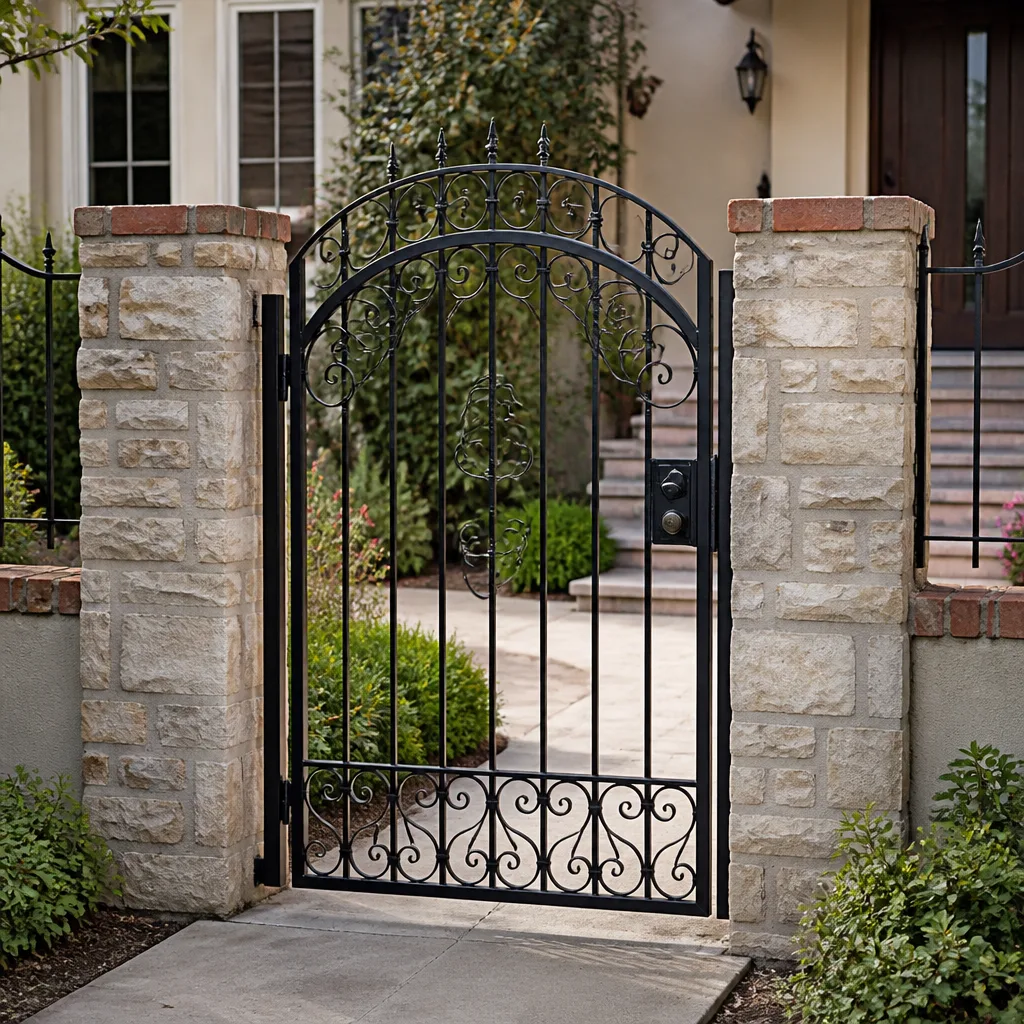 Wrought iron
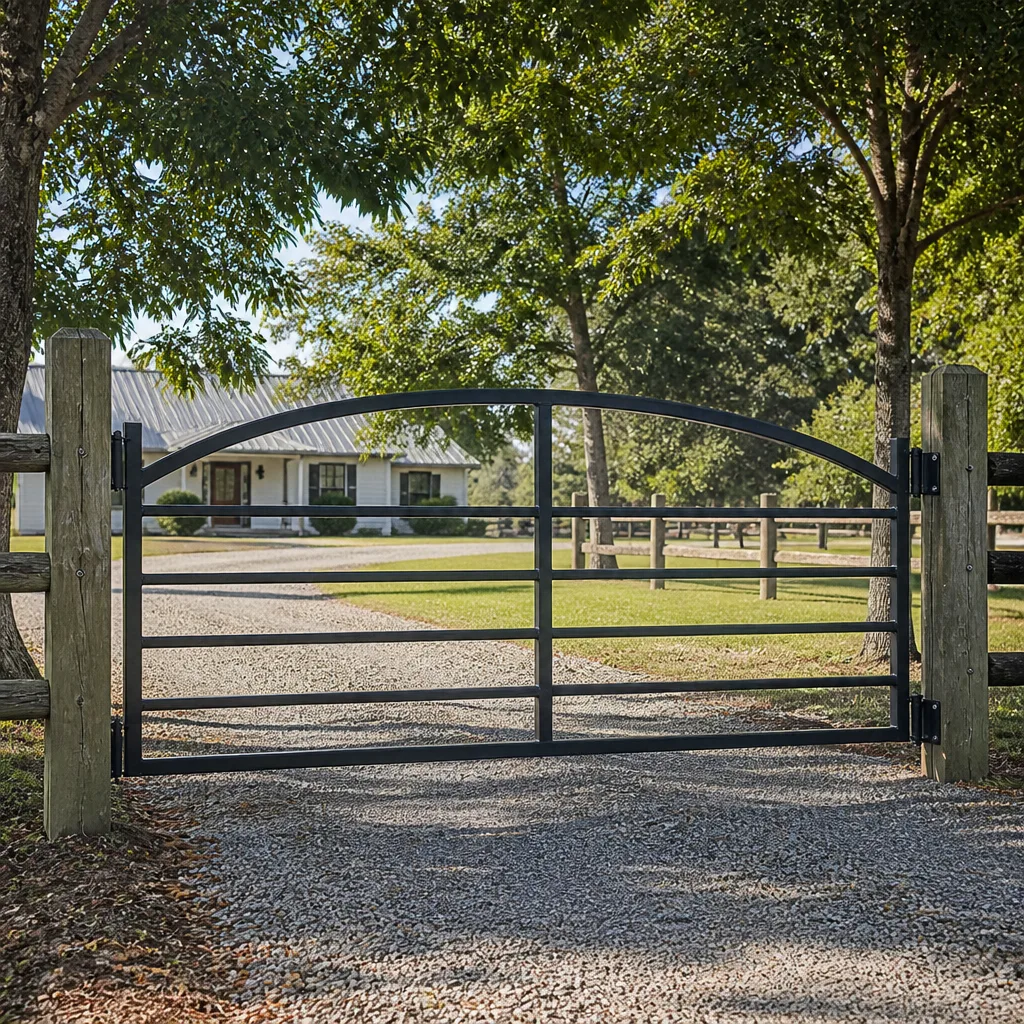 Farm & ranch
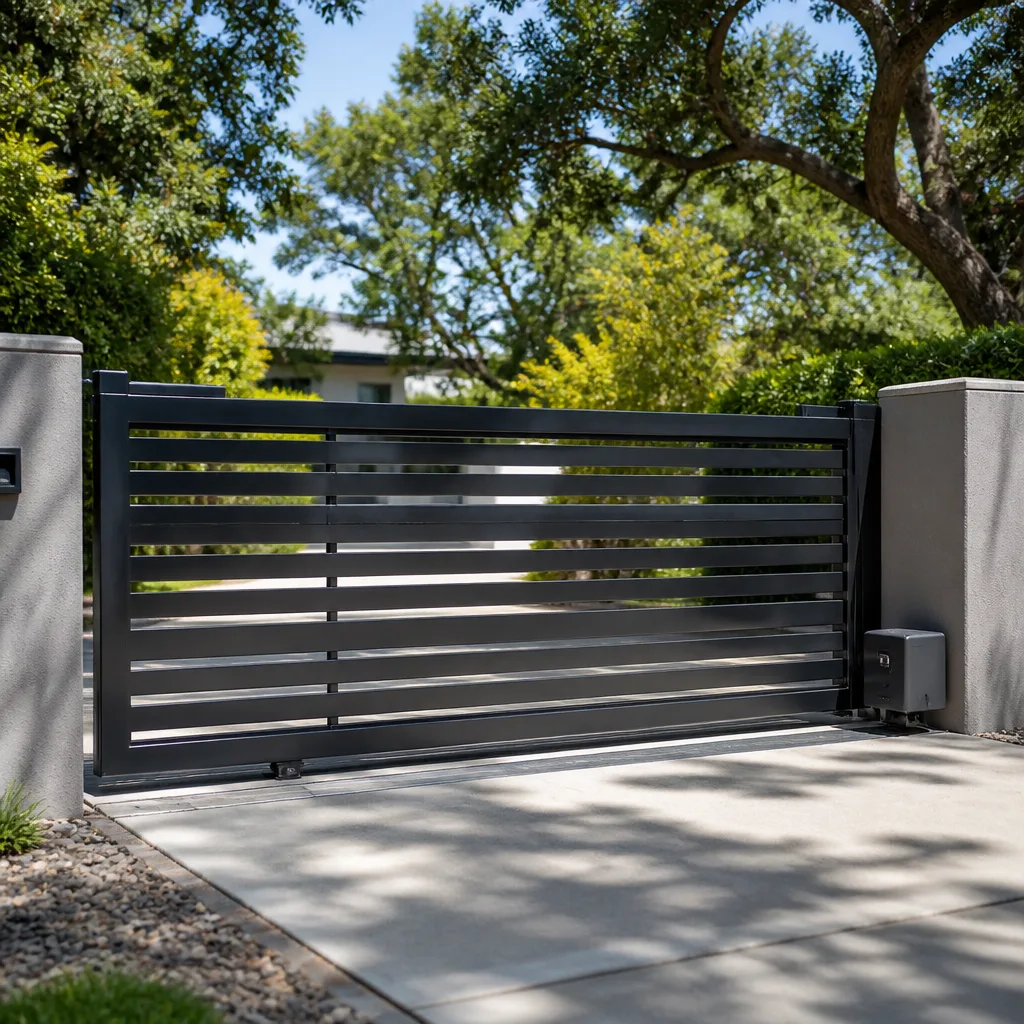 Sliding driveway gates
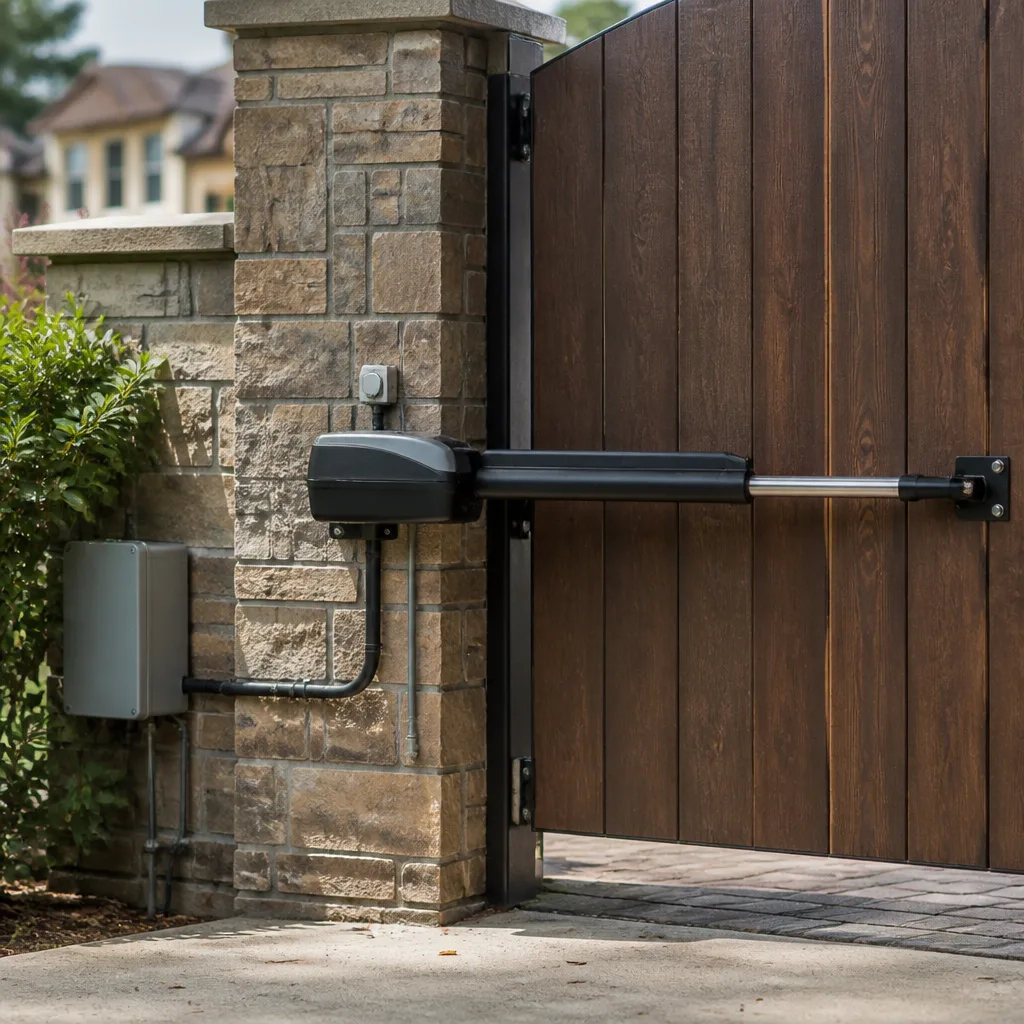 LiftMaster operators
Free on-site gate assessment - hinges, posts, and your LiftMaster or Nice gate operator checked before anything is quoted
The assessment is free and the quote is the invoice.
Get your free estimateGate Repair Cost Breakdown: The Sellwood Homeowner’s Reference for 2026
The $150 gate repair that comes back in six months and the $600 repair that holds for a decade are often fixing the same visible symptom. The difference is what gets addressed underneath it. That’s the whole story behind the wild swing in quotes you’ll hear from neighbors in Sellwood: two technicians look at the same sagging gate and see two different jobs. One replaces the hinge. The other replaces the hinge and resets the post that caused the hinge to fail in the first place. This reference walks through what you’re actually buying at each price point, what 2026 Sellwood-area ranges look like by failure category, and how to read a quote so you know whether it buys a patch or a cure.
Quick Answer
Gate repair in Sellwood typically runs $150 to $350 for mechanical fixes like hinges, latches, and rollers, $300 to $700 for post resets and alignment work, $450 to $1,200 for operator motor replacement depending on brand tier, and $600 to $1,800 for control board or access control repairs. The written estimate sets the final price, and the widest quotes on the same visible problem usually reflect different scopes of work, not different profit margins.
Styles & brands we work with
- Wrought iron
- Wood & steel frame
- Farm & ranch
- Sliding driveway gates
- LiftMaster operators
Table of Contents
- Why Quotes for the Same Gate Vary by 300%
- Cost by Failure Category in Sellwood
- Why Gate Specialist Labor Runs Higher Than Handyman Rates
- OEM vs. Aftermarket Parts: Where It Matters
- The Hidden Cost of Deferred Repair
- What a Fair Service Call Structure Looks Like
- How to Read a Gate Repair Quote in 2026
- Brand-Specific Repairs Worth Knowing About
Why Quotes for the Same Gate Vary by 300%
A gate that drags on the ground gives every technician the same clue but not the same diagnosis. The drag is the symptom. Underneath it you’ll find one of several root causes: a hinge that’s worn past tolerance, a post that has shifted in the soil, a gate frame that’s racked out of square, or an operator that’s been pushing a misaligned gate for months and has started to fail under the strain. Each root cause carries its own repair price, and each one leads to a different outcome afterward.
When a technician quotes the cheapest fix, they’re usually quoting the symptom. Replace the hinge, adjust the latch, and the gate swings again for now. Six months later the post has settled further, the new hinge is worn the same way the old one was, and the customer is back on the phone wondering why the repair didn’t last. The higher quote is often the technician who looked at the post, tested the gate for square, and priced the work that stops the cycle.
This is why two quotes that look identical can be $150 apart on paper and $450 apart in real life. The higher number isn’t gouging. It’s the difference between a repair and a reset. In Sellwood, where plenty of residential gates sit on older fencing and posts that have been in the ground for years, we see the post-reset quote come up often because the gate itself has been fine; the ground underneath it hasn’t. That’s the single most common reason a “simple hinge job” turns out to be a two-part repair.
Before you commit to a quote, ask one direct question: what else did you check besides the visible problem? A specialist will name the post, the operator strain, and the latch tolerance in the answer. A symptom-fixer won’t.
Cost by Failure Category in Sellwood
Grouping repairs by failure type is the clearest way to compare quotes, because the price of fixing a hinge has very little to do with the price of resetting a post. Use these 2026 ranges as a reference when you’re comparing written estimates. Every job is priced on its own after we look at the gate; these are typical ranges, not fixed prices.
- Hinge replacement: $150 to $350. Straightforward mechanical work on a gate that’s otherwise square. Typically done in a single visit when the hinge is the only failing part.
- Post reset or alignment: $300 to $700. This is the repair under the repair. It involves digging out and re-setting the post to proper footing depth, re-hanging the gate, and checking swing clearances afterward.
- Latch and roller replacement: $110 to $280. Small parts, quick labor, but worth doing before wear spreads to the hinges.
- Operator motor replacement (residential tier): $450 to $900. Covers brands like Mighty Mule, Ghost Controls, and Viking that common driveway gates use.
- Operator motor replacement (commercial or heavy-duty tier): $900 to $1,800. FAAC, BFT, and LiftMaster swing and slide operators on heavier panels.
- Control board replacement: $350 to $900. The price depends on whether the board is a universal aftermarket part or an OEM board specific to your brand.
- Limit switch repair: $180 to $450. The part that tells the operator where to stop. When it fails, the gate over-travels or won’t close all the way.
- Access control repair or replacement: $600 to $1,800. Keypads, intercoms, and loop detectors on DoorKing and Elite systems sit at the higher end; a keypad replacement on its own sits at the lower end.
These ranges assume a residential property in Sellwood. Commercial gate systems on multi-unit properties often fall above the top of the residential range because the panel weight, the traffic load, and the safety equipment required are all heavier. If your gate is a driveway swing gate with an automatic opener, expect quotes to land in the middle of the operator-replacement range rather than the bottom.
Why Gate Specialist Labor Runs Higher Than Handyman Rates
A handyman charges less per hour than a gate specialist. That’s not a knock on handymen; it’s a fact of how each one is trained and equipped. The handyman’s labor rate reflects general work across many repair types. The gate specialist’s rate reflects a narrower trade with brand-specific training, diagnostic pattern recognition, and parts that come to the site already matched to your system. What you’re paying for isn’t speed. It’s accuracy.
Here’s what the extra labor rate buys you in practice:
- Correct diagnosis on the first visit. A specialist recognizes the failure patterns that come with specific brands. A LiftMaster operator that stalls at the halfway point reads as a limit switch problem, not a motor problem, to someone who’s serviced that system many times. A generalist has to test and guess.
- Parts that fit the first time. Generalists often order the wrong part and come back. Specialists recognize the model family and the interchangeable parts within it.
- The repair that stops the recurrence. A specialist looks at why the failure happened, not only what failed. That’s how you avoid the return visit six months down the line.
- Safety equipment checked at the same time. Automatic gates have wiring, power runs, and safety edges. A specialist checks that these are intact and functioning while they’re on site. That’s not something most generalists have the equipment or training to do.
Our technicians have up to 10 years of experience. We specialize exclusively in gates, so your system isn’t a side job for us. When you call for gate repair, the technician who arrives already knows the brands we service and the failure modes we see on them. That’s the practical value of a gate-only team over a generalist with a lower hourly rate.
If you’re weighing whether to pay specialist rates or use a handyman, consider what happens if the diagnosis is wrong. A misdiagnosed operator failure can turn a $200 limit switch job into a $900 motor replacement. The specialist rate pays for the correct diagnosis, which is the cheapest repair you can buy.
OEM vs. Aftermarket Parts: Where It Matters
The parts inside your quote matter as much as the labor. Two repairs with the same labor cost can differ by hundreds of dollars depending on whether the technician uses an OEM part or an aftermarket equivalent. There’s no single rule for which is better. It depends on the part.
Where OEM matters:
- Control boards. The logic and compatibility of a control board are brand-specific. An aftermarket board on a DoorKing or LiftMaster system can fail early or create odd behavior that’s hard to trace. Use the OEM part here.
- Limit switches. Tolerance matters. An aftermarket limit switch that trips slightly early or late will cause the gate to stop in the wrong position. Use the OEM switch when it’s available.
- Access control components. Keypads, intercoms, and loop detectors on commercial-grade systems like DoorKing and Elite are designed to talk to each other. Aftermarket substitution breaks that communication.
Where aftermarket is fine:
- Hinges. A hinge is a hinge. The material and the pin matter more than the logo on the box.
- Rollers. Same logic. The size and the bearing quality are what matter.
- Latch hardware. Standard latches don’t need a brand match.
A fair quote will tell you which parts are OEM and which are aftermarket. If it doesn’t say, ask. The answer is the difference between a repair that holds and a repair that comes back. In our experience, most repeat failures on electronically controlled gates trace back to a substituted part that didn’t match the system it was installed on. Call (866) 947-9019 if you want to know which parts are on your gate before you approve a repair.
The Hidden Cost of Deferred Repair
A $90 hinge that’s worn and a $600 operator replacement aren’t separate problems. They’re the same problem at two points in time. When a hinge wears, the gate hangs slightly out of level. The operator now has to work harder to push or pull a gate that’s fighting its own alignment. That extra load wears the operator’s gears, strains the motor, and eventually cooks the control board. The hinge was cheap to fix. The operator isn’t.
Here’s the progression we see most often, written as the sequence of failure:
- Hinge or roller wear. The gate starts dragging, squeaking, or lagging slightly. Repair: $110 to $280.
- Gate hangs out of square. The operator now pushes against resistance. The stress shows up as hesitation, over-travel, or intermittent stops. Repair: $180 to $450.
- Operator strain compounds. The motor runs hot, the gears wear faster, and the control board starts logging fault codes. Repair: $350 to $900.
- Full operator replacement. Once the motor or the gearing is past the point of repair, the operator comes out. Repair: $450 to $1,800.
The whole sequence is a straight line from a $90 hinge job to a $600 or $1,800 operator swap. Deferred repair doesn’t save money, it just shifts the cost forward and adds a few zeroes. On automatic gates in Sellwood, this pattern shows up most often in the spring and fall when the wet season stresses posts and the dry season bakes the wood. Catching the alignment problem early is the single cheapest decision you can make.
What a Fair Service Call Structure Looks Like
A service call is the visit where a technician comes out, looks at the gate, and writes an estimate. In this market, a fair structure is straightforward: the estimate itself is free, and the written estimate sets the final price before any work starts. You should be told what’s being tested, what’s being priced, and what’s excluded, before anyone picks up a tool.
A fair service call has three parts:
- Diagnosis. The technician checks the gate’s movement, the post, the operator, the power run, and the safety edges. This is where the specialist’s training pays off. The diagnosis should be explained in plain terms that name the specific failures found.
- Written estimate. You get a document that lists the repair items, the parts (OEM vs. aftermarket noted), and the labor. The price on the estimate is the price you pay when the work is done.
- Agreed scope before work starts. Nothing gets touched until you say yes to the scope and the price. If the technician discovers something during the repair that changes the scope, work stops and you get a revised estimate before it continues.
What to be wary of: any quote that only covers the visible symptom, any repair quoted without the post being checked when the gate is sagging, and any estimate that doesn’t call out OEM vs. aftermarket. Those three shortcuts are the most common reason a repair comes back. Our estimates are free, the price is quoted and agreed before any work starts, and the written estimate sets the final price. Call (866) 947-9019 to book an estimate at a time that works for you.
How to Read a Gate Repair Quote in 2026
A good quote is written so that another technician could read it and understand exactly what was found and what’s being done. Use this checklist when you’re comparing estimates from different companies. A quote that fails two or more of these is worth a second look.
- The failure is named, not just the symptom. “Hinge worn past tolerance, causing gate to drag on the south side” is a diagnosis. “Gate repair” is not.
- The post was checked. For any sag or drag, the quote should say whether the post was tested and whether it needs resetting.
- The operator was load-tested. If the gate has an opener, the estimate should say whether the operator’s current draw and travel were measured.
- Parts are specified. OEM vs. aftermarket, with brand names where they matter.
- Labor is itemized. Not just “labor $300,” but what that labor covers.
- Exclusions are noted. If the quote doesn’t include, say, the power run or the safety edges, it should say so.
- The written price is the final price. The quote should state this in writing. A quote that says “estimate only” without a firm range is a red flag.
If you’re upgrading rather than repairing, the same discipline applies to gate installation. The scope of an installation should be itemized by gate, post, hardware, and any automation before you commit. There’s no rushing this. Installation is measured, ordered, and scheduled, so the free measure and the written price are the two things that matter most.
For a gate motor & opener replacement, ask specifically which brand model the new operator uses, whether the existing wiring is compatible, and what the installer is doing about the safety edges. Those three answers separate a quote that works from a quote you’ll be revising in a year.
Brand-Specific Repairs Worth Knowing About
Every brand has its own quirks, and those quirks drive the cost of repair more than most homeowners expect. Two gates with identical visible problems can need different repairs because the brands fail differently. That’s why a specialist who services a broad range of brands will quote more accurately than one who mostly specializes in a single line.
Here are patterns we see regularly with the brands we handle:
- Viking. Reliable mechanicals, but their control boards are sensitive to voltage dips. A board that keeps resetting usually has a power issue upstream, not a board problem.
- Ghost Controls. Common for residential driveway gates. Their keypads and remote systems work well but the limit switches wear over time and need replacing before the operator shows symptoms.
- DoorKing. Commercial-grade access control. When keypads or loop detectors stop responding, it’s often the wiring to the detector rather than the detector itself. Diagnosing that requires knowing how DoorKing circuits are laid out.
- Elite. Used in residential and light commercial access control. Intercom and access panels are usually repairable part-by-part rather than as a whole unit.
- LiftMaster. Heavy-duty residential and commercial operators. Limit switch, motor, and gear failures are the most common. The repair path depends on which of the three failed first.
If your system isn’t on this short list, we likely still handle it. We service nine major brands total, from residential-friendly systems to commercial access-control platforms. If your gate runs on one of them, we know it cold. If you’re unsure what brand you have, the technician can identify it during the estimate visit at no charge.
Common Mistakes to Avoid
- Approving the cheapest quote without checking the scope. The lowest quote almost always fixes the symptom and skips the root cause. Ask what’s being checked, not just what’s being fixed.
- Letting a handyman diagnose operator problems. Operator failures look like motor issues but are often limit switch or control board problems. Misdiagnosis here costs hundreds of dollars.
- Ignoring a post that’s moved. A gate that drags after a hinge replacement means the post moved, not that the new hinge is bad. Skipping the post reset guarantees the repair comes back.
- Agreeing to aftermarket control boards. The savings up front are small. The failure rate is not. Stick with OEM on boards, limit switches, and access control components.
- Waiting through the wet season with a sagging gate. Sellwood’s spring and fall rains speed up post movement. A gate that was dragging slightly in April can be fighting its operator by June.
- Letting an operator run against a sticking gate. Every day the gate pushes against resistance is a day the motor and gears wear faster. Shut the operator off and get it looked at rather than letting it grind.
- Skipping the power run and safety edge check on access-controlled gates. Access control is only as good as its wiring. A repair that ignores the power run is one that can come back as a safety problem rather than a mechanical one.
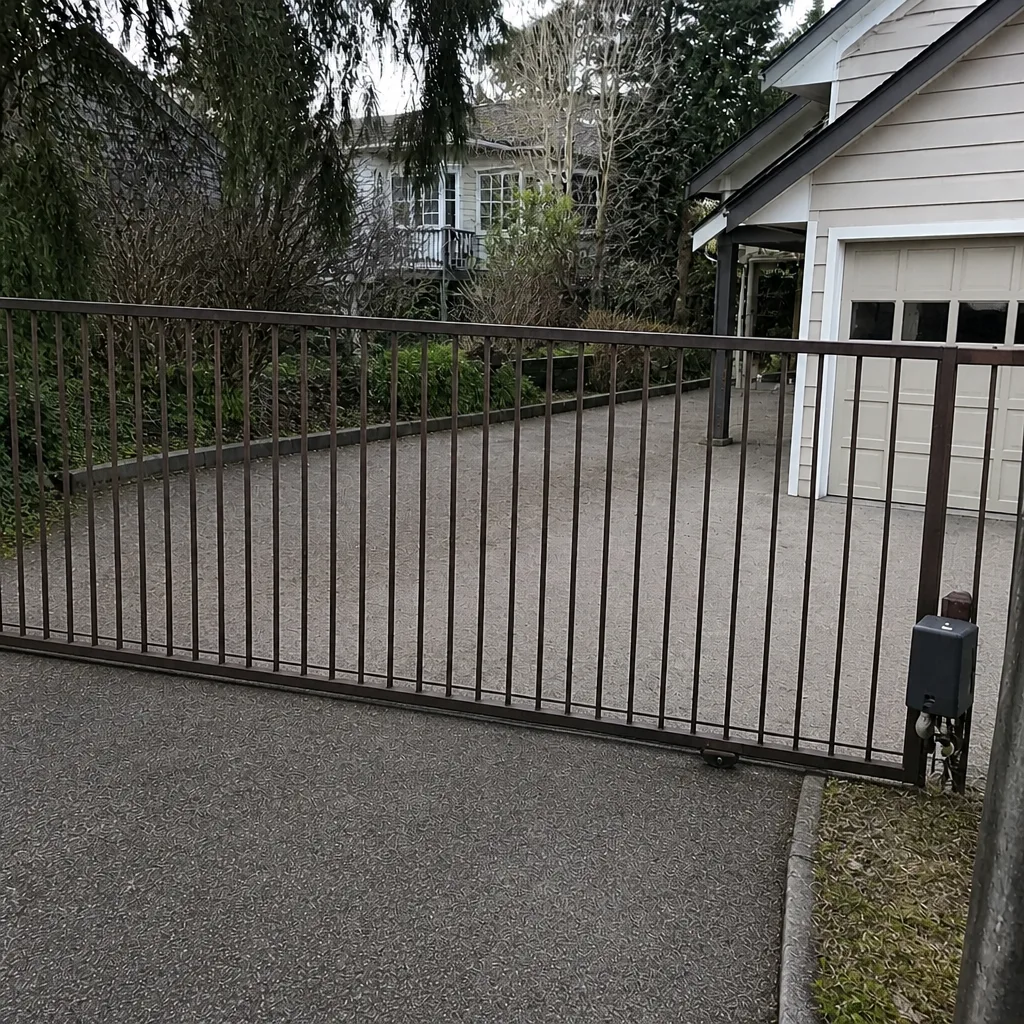
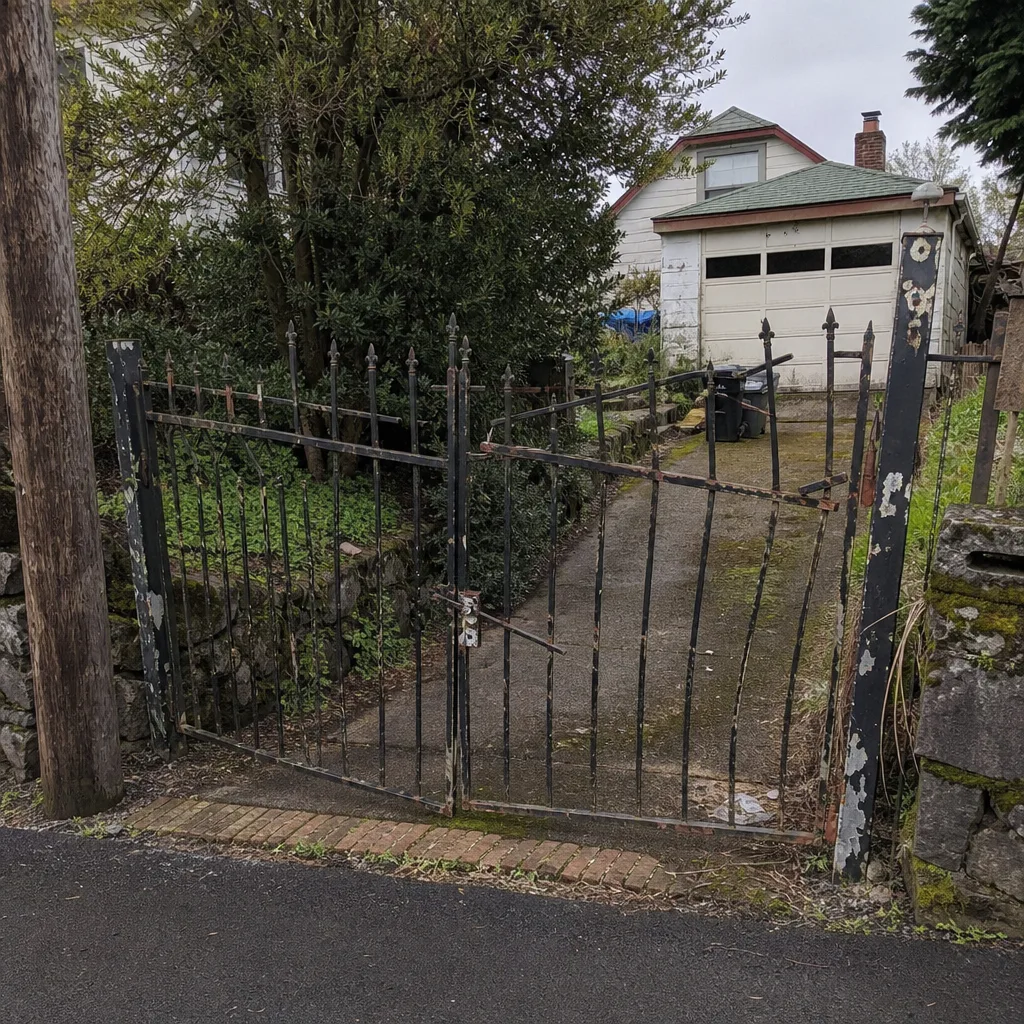
See the difference
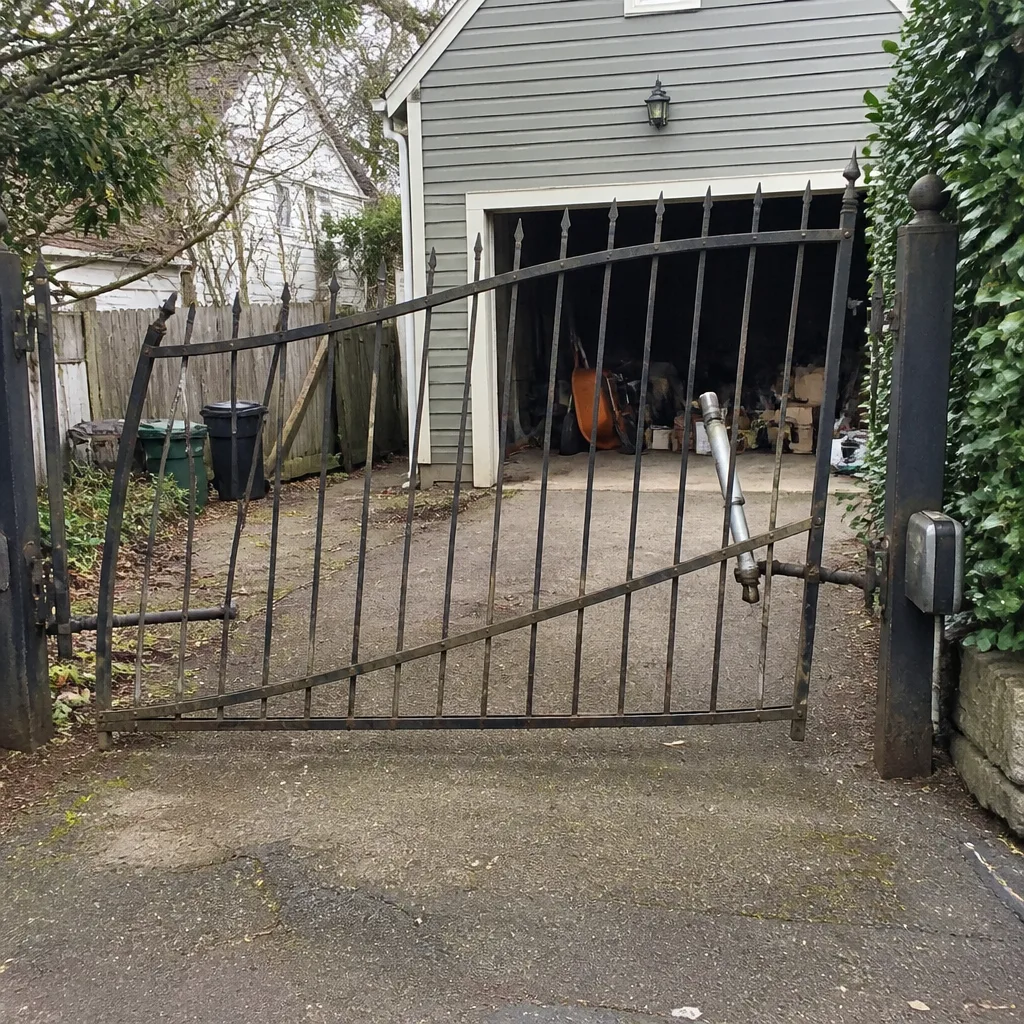 Before
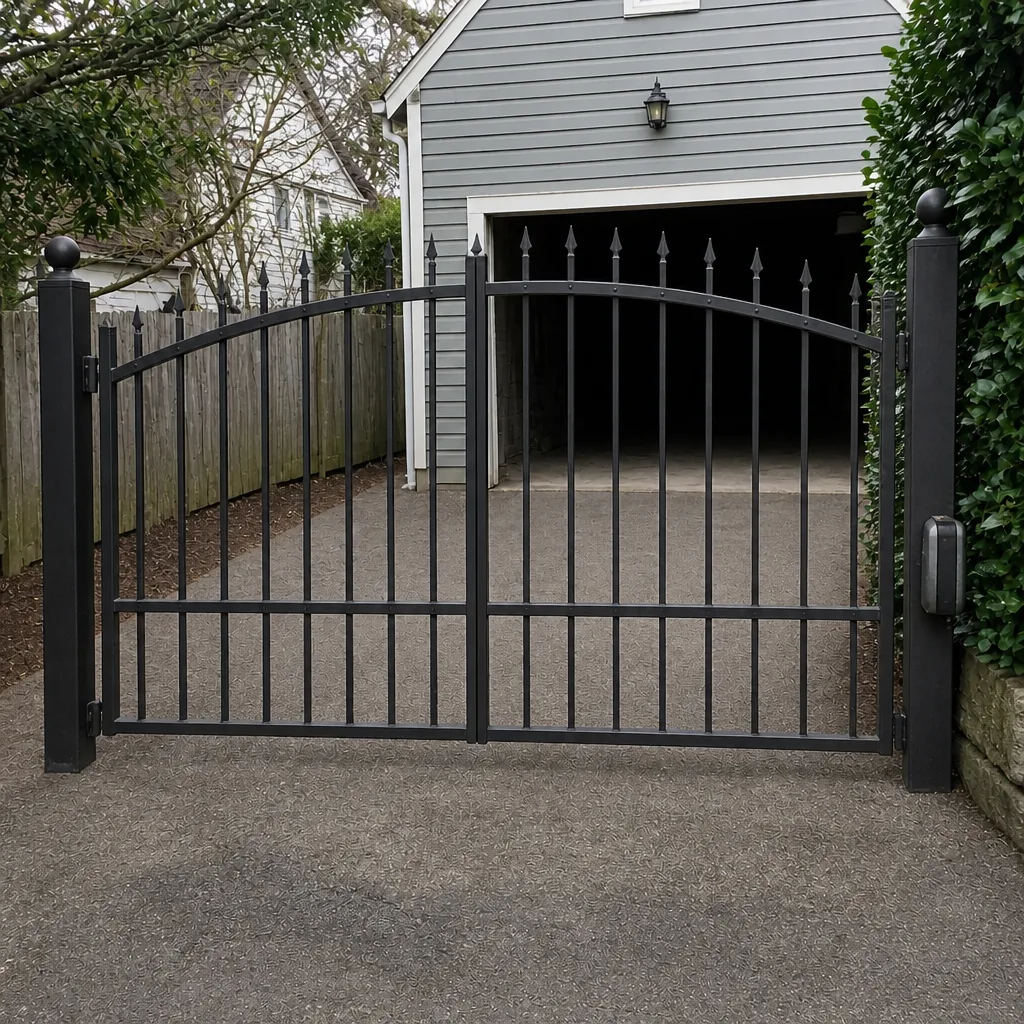 After
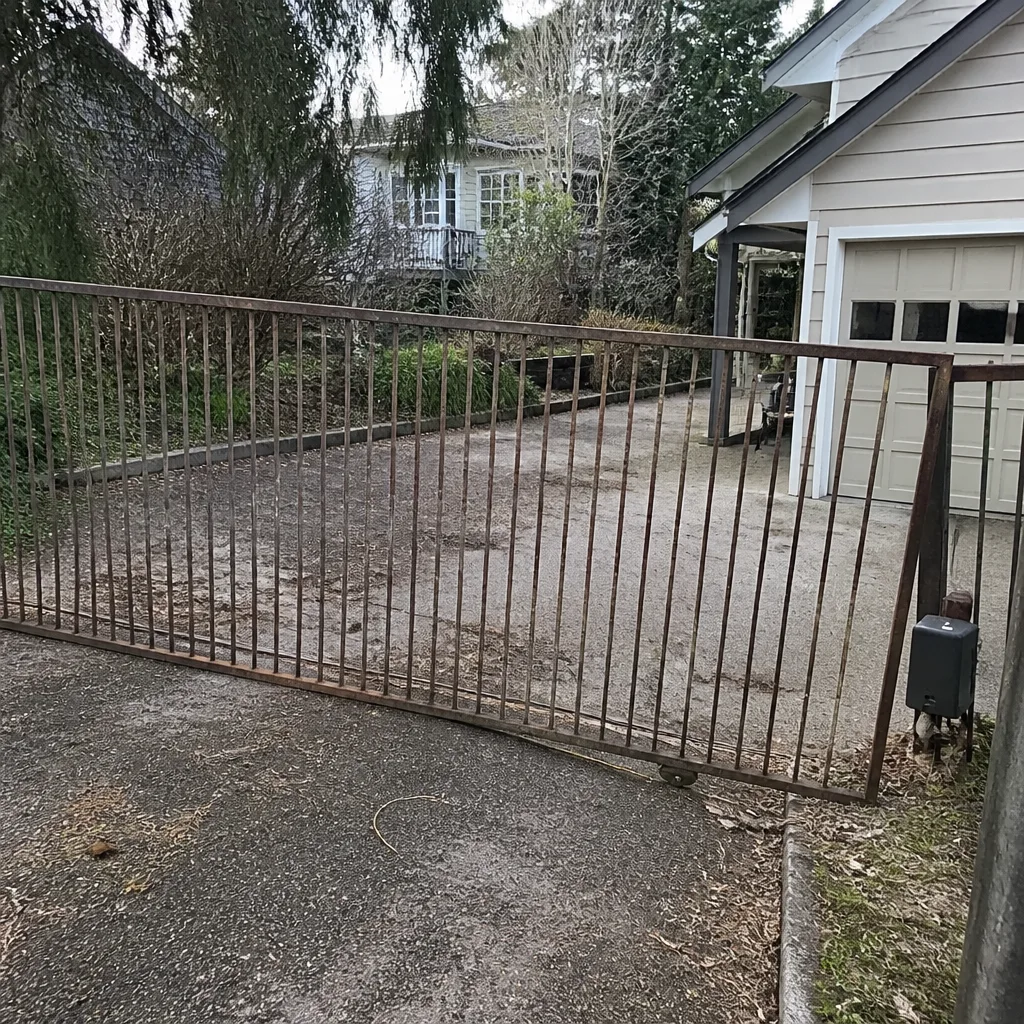 Before
 After
 Before
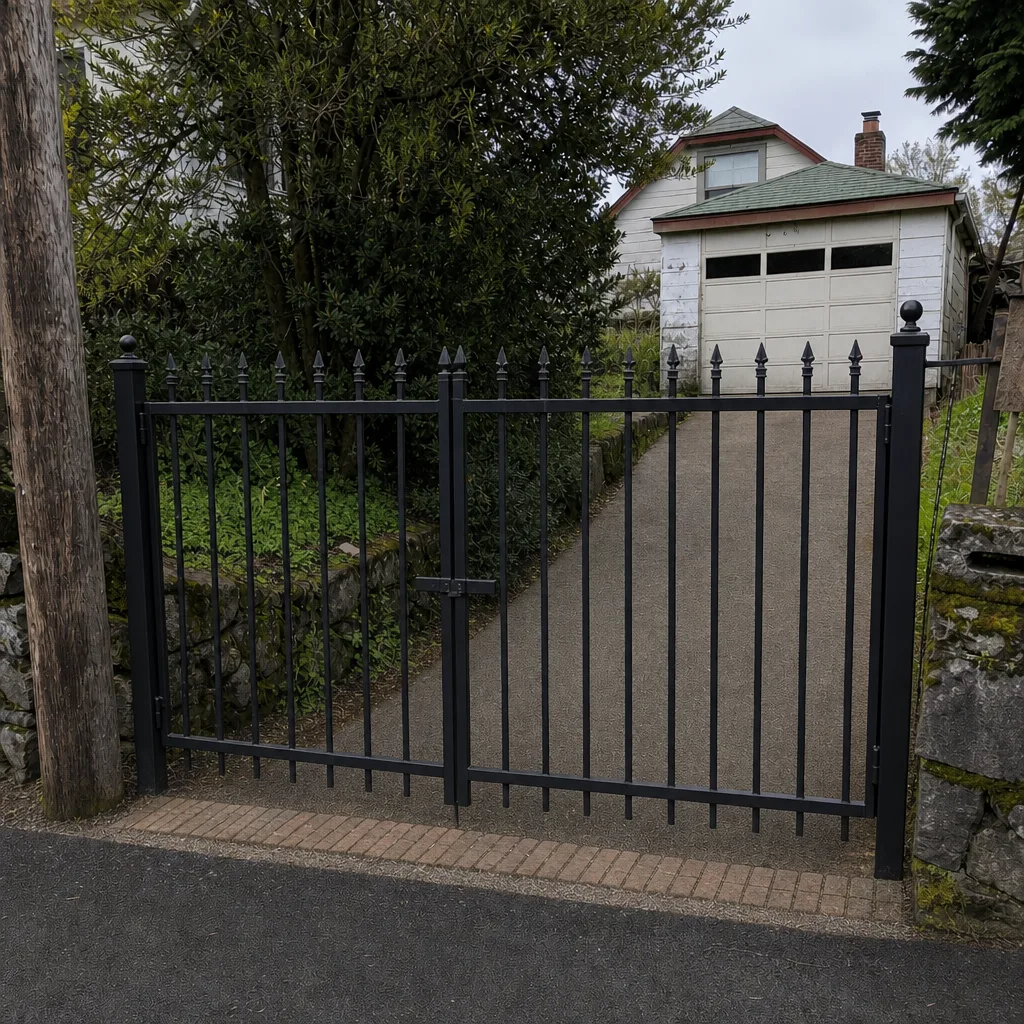 After
When to Call a Professional
Some gate problems are genuinely dangerous to work on without training. Anything involving the operator’s power run, the control panel wiring, or the safety edges should be handled by someone who understands gate electrical systems. The same goes for heavy swing or slide panels that can crush if they come off their tracks, and slide gates that have started to jump their rails. Don’t try to prop, brace, or hold these yourself.
Call a professional when:
- The gate drags, sags, or won’t swing through its full arc
- The operator hesitates, over-travels, or stops mid-cycle
- The control board logs fault codes or resets on its own
- A keypad, intercom, or loop detector stops responding
- A post has visibly moved or the gate frame is racked
- The gate has come off its track, or a heavy panel has shifted in its hinges
Gate Repair Sellwood offers free estimates in Sellwood. We handle the full range of gate work, from repair to gate repair Sellwood service on existing systems to new installations and access control integration. If your gate is one of the brands we service, the technician arrives already knowing the system. Call (866) 947-9019 to book an estimate. We answer 24/7. Fast dispatch from 7am to 7pm, Sunday through Friday.
Frequently Asked Questions
Most gate repairs in Sellwood run $150 to $900 depending on the failure type, with hinge and latch jobs at the lower end and operator or access control jobs at the higher end. Post resets sit in the middle at $300 to $700. The written estimate sets the final price, and the estimate is free. Call (866) 947-9019 for an exact quote.
The two quotes likely cover different scopes. A quote that only fixes the visible symptom is cheaper because it doesn’t address what caused the failure, and the repair usually comes back. Ask each technician what else was checked besides the visible problem. The quote that names the post, the operator strain, and the latch tolerance is the one that fixes the cause. Call (866) 947-9019 to get a written estimate with the scope spelled out.
Yes, for most mechanical repairs like hinges, latches, and limit switches, we can often complete the repair the same day we come out. Operator replacements and access control work usually require a scheduled visit because the parts are ordered to match your system. Either way, the price is quoted and agreed before any work starts. Call (866) 947-9019 to book. We answer 24/7. Fast dispatch from 7am to 7pm, Sunday through Friday.
Yes. Power runs and safety edges are part of the same scope as the access control work, and we check both during any repair on an automatic gate with a keypad or intercom. We don’t hand that portion off to another contractor. If the power run needs attention, the estimate covers it as a line item before work starts. Call (866) 947-9019 for a free estimate.
We service nine major gate automation brands, including LiftMaster, FAAC, BFT, Linear, Viking, Ghost Controls, DoorKing, Elite, and Mighty Mule. That covers residential driveway gates through commercial access control systems. If your system is one of those brands, we’ve worked on it before. Call (866) 947-9019 and we’ll confirm your system is one we handle.
A full gate installation includes the gate panel, the posts set to proper footing depth, the hardware (hinges, latches, rollers), and any automation or access control you’ve chosen to add. The free measure is scheduled first, then the written price is issued before anything is ordered or installed. Installation is measured, ordered, and scheduled, so it’s not a same-day job. Call (866) 947-9019 to book the free measure.
The Bottom Line
Gate repair quotes in Sellwood vary widely because the scope of work varies, not because one technician is gouging and another isn’t. The cheapest quote usually fixes the symptom; the higher quote usually fixes the cause. Read every quote by failure category, ask whether the post and operator were checked, and insist on knowing whether the parts are OEM or aftermarket. The $150 repair that comes back costs more than the $600 repair that holds. If you want a written estimate with the scope spelled out, we’re ready when you are. Call (866) 947-9019. We answer 24/7. Fast dispatch from 7am to 7pm, Sunday through Friday.
Written by the team at Gate Repair Sellwood.