
Last updated November 25, 2026
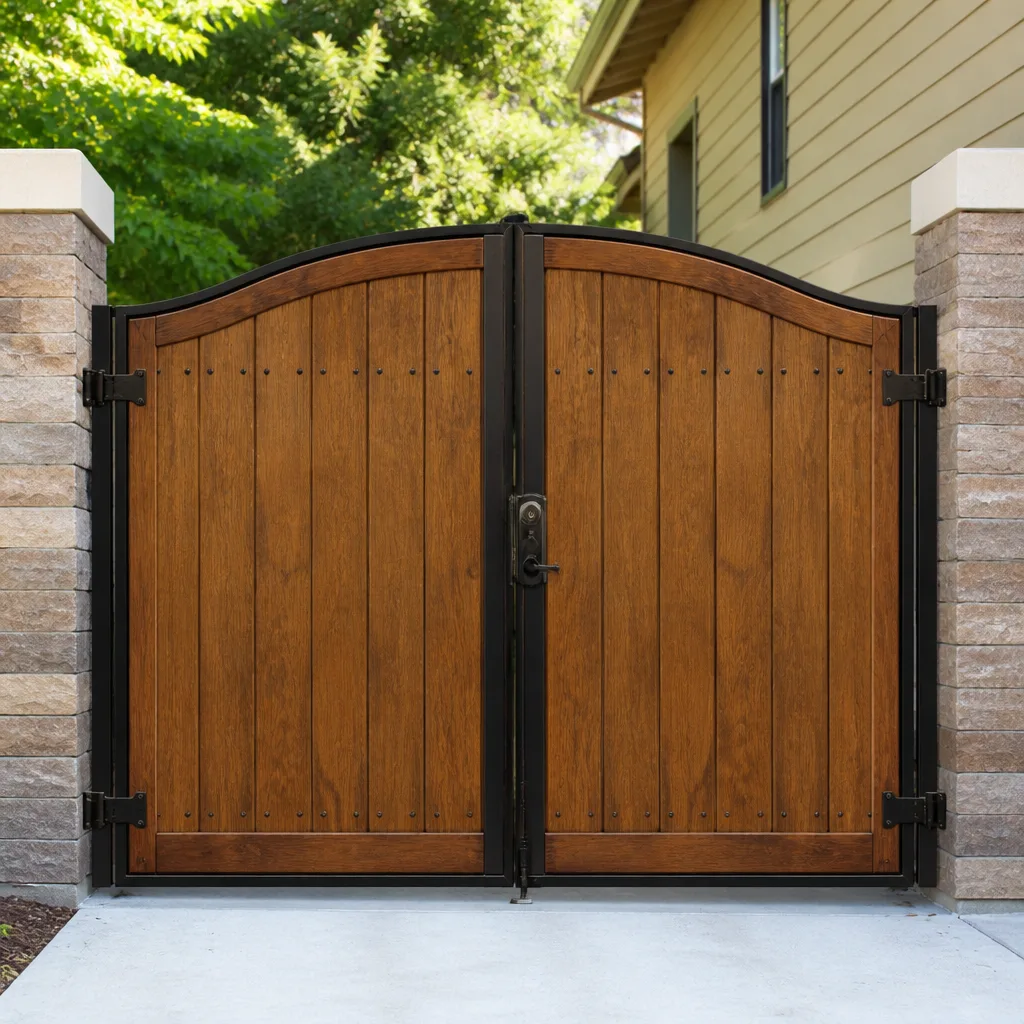 Wood & steel frame
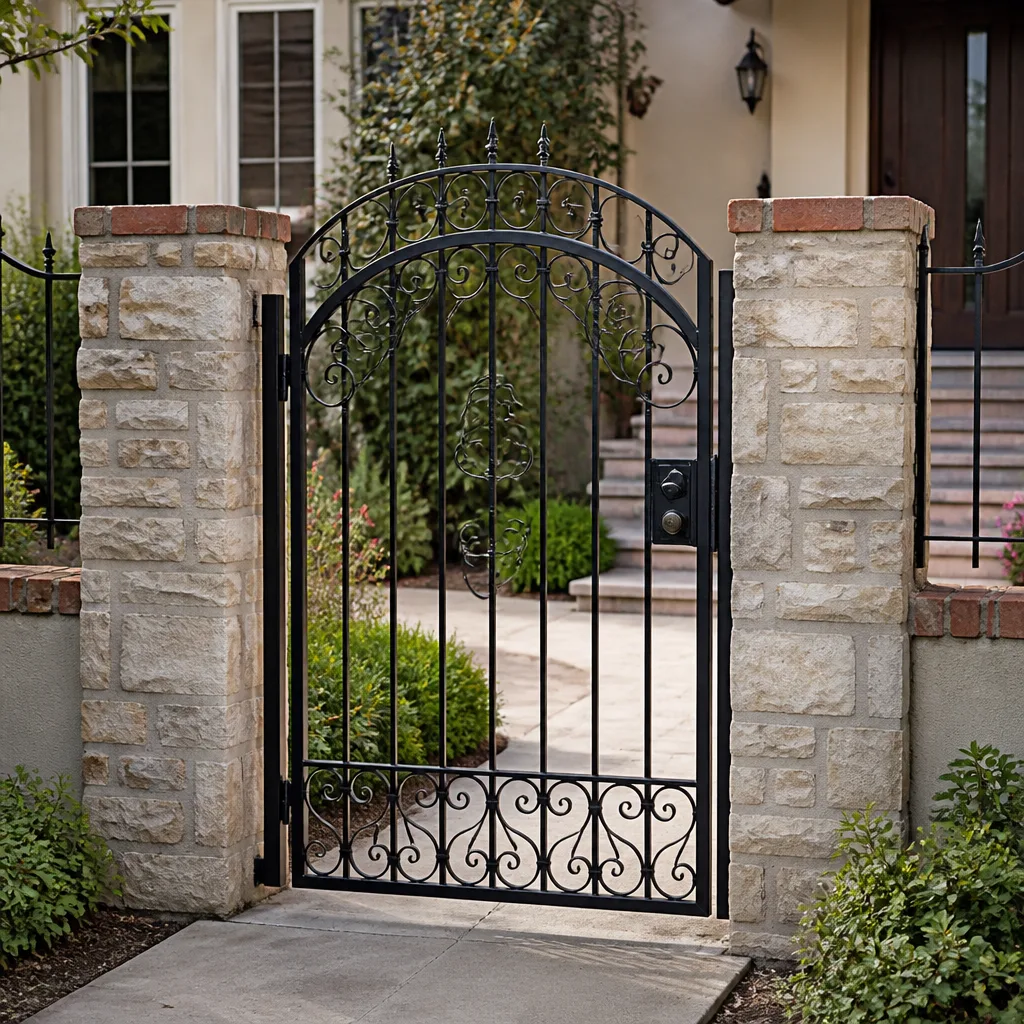 Wrought iron
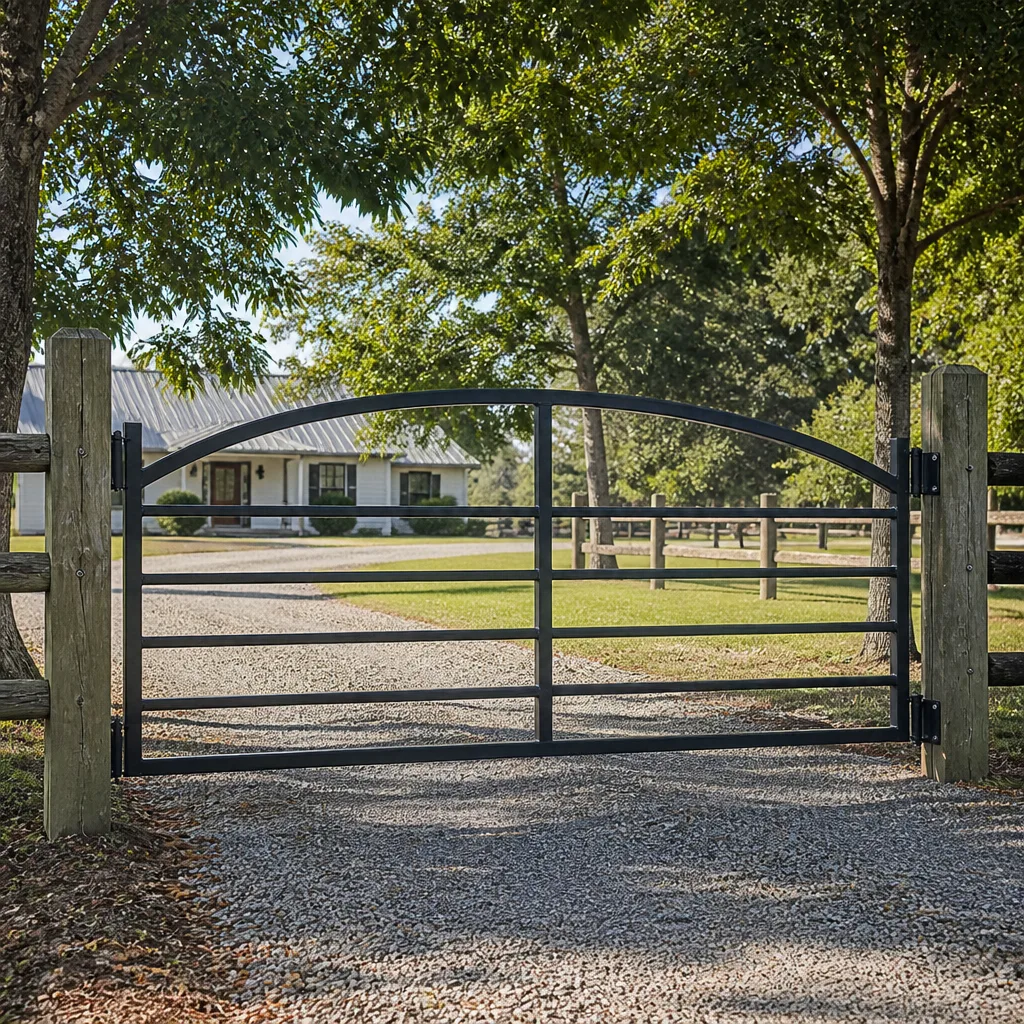 Farm & ranch
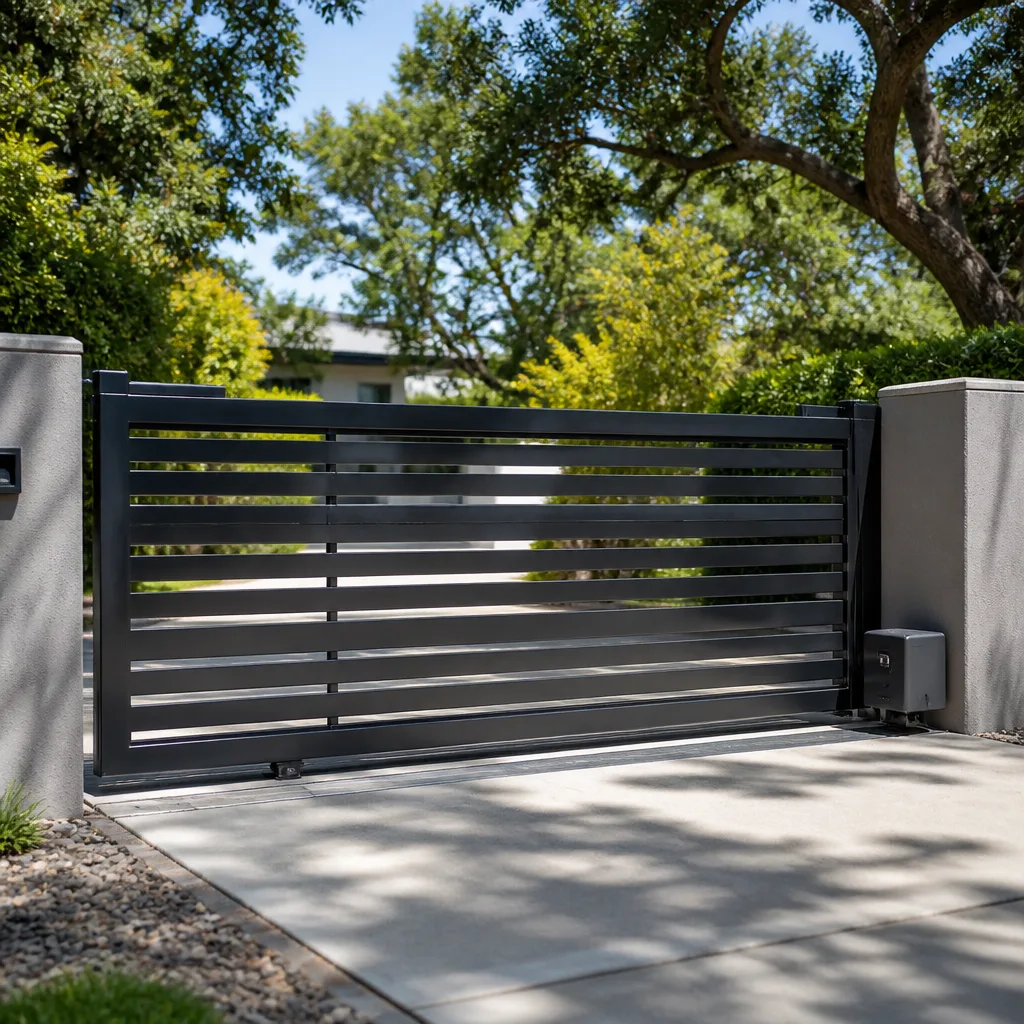 Sliding driveway gates
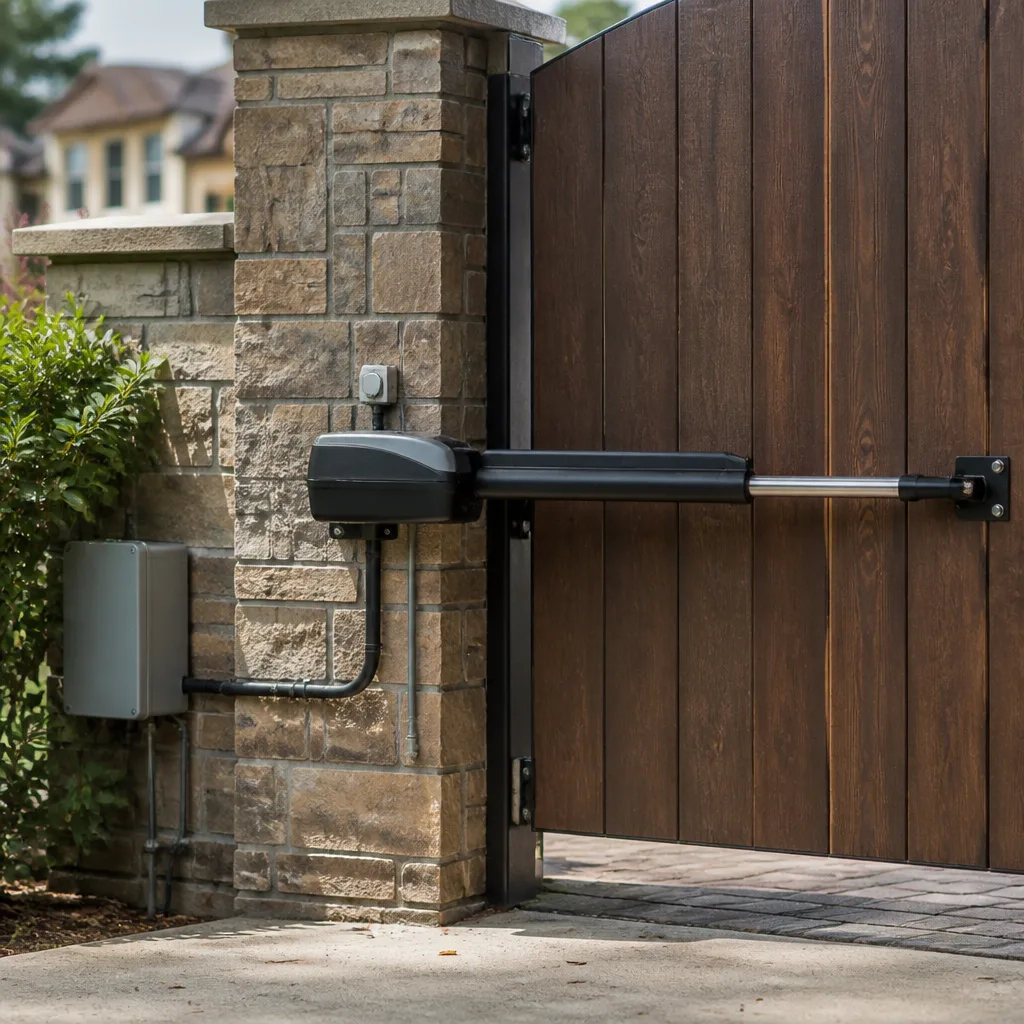 LiftMaster operators
Free on-site gate assessment - hinges, posts, and your LiftMaster or Nice gate operator checked before anything is quoted
The assessment is free and the quote is the invoice.
Get your free estimateGate Repair Permits, Codes & Inspections in Sellwood, OR: What You Need to Know
An electric gate that swings open on command feels finished. The concrete is poured, the keypad works, the remotes are paired. What most Sellwood homeowners never see is the paperwork behind that gate, and whether it exists at all. Here’s a quiet problem in the trade: our technicians have walked up to plenty of working gate operators that were never permitted, never inspected, and in a few cases wired in ways that would fail a code check on sight. Nobody notices until the gate stops working or somebody gets hurt. This guide covers when an Oregon electrical permit is required for gate work, when it isn’t, what UL 325 entrapment protection actually means in the field, and how to bring an old unpermitted install into compliance without tearing it out.
Quick Answer
In Sellwood, OR, an electric gate operator installation almost always requires an electrical permit through the City of Portland, and the installation itself should be done by a licensed electrical specialty contractor. Repairing an existing gate operator typically does not require a new permit, but replacing an operator, running new power to the gate, or installing access control wiring usually does. UL 325 entrapment protection is a code requirement, not an optional upgrade, and an unpermitted, non-compliant gate can complicate insurance coverage if it injures someone. A licensed gate contractor can tell you which side of that line your job falls on.
Styles & brands we work with
- Wrought iron
- Wood & steel frame
- Farm & ranch
- Sliding driveway gates
- LiftMaster operators
Table of Contents
- Why Gate Permits Matter More Than Most Homeowners Realize
- Oregon Electrical License Rules for Gate Work
- What Triggers a Portland Permit and What Doesn’t
- UL 325 Entrapment Protection: What It Actually Requires
- How to Permit an Existing Unpermitted Gate Installation
- Sellwood-Moreland HOA Covenants and Neighborhood Overlays
- What Happens During a Gate Inspection
- Repair vs. New Installation: Where the Lines Blur
Why Gate Permits Matter More Than Most Homeowners Realize
Most people think of permits as a box to check before a project starts. For gates, it’s simpler than that: a permit is the record that someone qualified looked at how a moving piece of equipment is wired and whether it stops when it’s supposed to. Sellwood has hundreds of properties with some kind of automatic gate, from older single-family driveways to newer townhome entries along the Milwaukie Avenue corridor, and the ones without a paper trail are the ones that come back to bite later.
The practical liability sits with whoever owns the property. If a gate closes on a delivery driver, a child, or a vehicle, and the installation turns out to be unpermitted or non-compliant with UL 325, an insurance adjuster can question whether the gate was maintained and installed to code. That’s not a hypothetical scare tactic. It’s how property claims are actually reviewed when a mechanical failure causes a loss. A permitted, inspected gate is a documented defense.
There’s also the resale question. When a Sellwood home with an electric gate goes on the market, buyers’ inspectors will often note an automatic gate and ask for the permit history. A permit from the original installation takes a five-minute records request to retrieve. The absence of one takes a lot longer to explain, and sometimes it delays a closing.
None of this means every gate needs to be rebuilt. It means the paperwork is part of the system, and if your gate has never been documented, understanding the rules is worth an hour of your time. We’re a gate-only company, and we’ve found that homeowners who ask about permits early tend to avoid bigger problems later.
Oregon Electrical License Rules for Gate Work
Oregon takes electrical licensing seriously. Some gate work falls under specialty electrical contractor rules because running a power line to a gate operator, wiring a keypad, or connecting a loop detector and intercom is electrical work, not just mechanical assembly. That distinction matters for both installation and repair.
Here’s how it breaks down in practice:
- New operator installation: Running a dedicated circuit from a house panel to a gate operator requires an electrical specialty contractor holding the right license for low-voltage and standard wiring work. The installation is permitted and inspected.
- Operator replacement on an existing circuit: If the circuit, disconnect and conduit are already permitted and in place, swapping a dead operator for a new one can be done under the original electrical work’s permit history, assuming the new unit doesn’t change the load or add new wiring.
- Repair of an existing operator: Fixing a board, a limit switch, a receiver, or a motor on an operator that was previously permitted and compliant is a repair, not a new installation. No new permit is typically required.
- Access control wiring: Adding keypads, intercoms, loop detectors, or remote management means new low-voltage wiring. That’s electrical scope, even if the wire is small.
- Electric conversion of a manual gate: Turning a manual gate into an electric one is a full installation. Permit required.
What we see poorly done in the field is a homeowner hiring a general handyman to wire an operator because the mechanical mounting looked easy. The gate may run for months. Then the ground connection fails, or the operator’s board gets fried by a surge because the wiring wasn’t bonded properly, and the customer is left with a bill and a question about who’s responsible. A licensed electrician or a gate contractor working under the correct license keeps that question from ever coming up.
When our team handles gate installation in Sellwood, we coordinate the electrical scope properly so the work is documented from the start. Contact us at gate installation – the discussion of permits and licensing comes up early, not after the fact.
What Triggers a Portland Permit and What Doesn’t
The City of Portland issues electrical permits through its Bureau of Development Services. Multnomah County governs some unincorporated areas, but most Sellwood addresses sit inside Portland city limits and fall under city permitting. The single most useful question to ask before starting work: does this job add or alter wiring, or does it only touch the equipment? If it touches wiring, assume a permit is required until a licensed pro tells you otherwise.
Use this list to orient yourself before calling:
- Adding any new circuit to the gate: Permit required. The circuit has to be sized for the operator, protected at the panel, and grounded properly.
- Relocating an operator or gate on the property: Permit required, because the wiring changes.
- Replacing an operator on existing compliant wiring with a like-for-like unit: Usually no new electrical permit, but check with Portland BDS if the unit draws more power than the old one.
- Adding a keypad, intercom, or loop detector: Permit required for the new wiring run.
- Repairing a stuck gate, a bad limit switch, or a dead receiver: No permit required.
- Converting a manual gate to a swing or slide operator: Full installation permit.
- Replacing a gate board or control box on an existing operator: No permit required, but the new board must be the correct spec for the operator.
One more trigger that catches people: adding a battery backup or a surge protection device as a permanent wired feature. If it’s hardwired to the operator’s panel, it may need to be included in the permit scope. In Sellwood, where a lot of homes have power panels in older locations that don’t match modern code, the permit review often flags something that would have gone unnoticed without it. That’s a good outcome, even if the inspector’s correction notice stings the first time you read it.
UL 325 Entrapment Protection: What It Actually Requires
UL 325 is the safety standard for automatic gate operators. It defines how an operator must behave when something gets in the way of a moving gate. The standard’s rules have been tightened over the years, and the practical result is that every modern electric gate operator must have some form of entrapment protection: either a reversing feature built into the operator, external safety edges on the gate, photo-eye sensors, or a combination. Older operators, especially some models from before the standard was strengthened, don’t comply.
Here’s what non-compliance looks like on a real Sellwood property, because it’s rarely obvious:
- A gate that keeps pushing after contact: The operator lacks a safety edge or sensing feature and simply finishes its stroke. That’s the single most dangerous condition we encounter, and it’s extremely common on operators installed 15 or more years ago.
- Photo-eyes mounted too high or aimed at nothing: Someone installed sensors, but the beam passes over a child or a dog. The gate “has” photo-eyes but they don’t protect against the actual hazard.
- Safety edges wired but not connected to the operator’s inputs: We’ve seen this on LiftMaster and FAAC operators where a previous installer added an edge but never landed the wire. The gate looks protected. It isn’t.
- Reversing behavior set too aggressively or disabled: Some operators allow the reverse-on-obstruction feature to be turned off in programming. It shouldn’t be, but it happens when a gate is “having problems” and someone takes the shortcut.
- Mighty Mule or similar homeowner-installed units without any external protection: These are designed for DIY installation, but the standard still requires the entrapment protection that matches the gate type when the operator is installed on a full-size driveway gate.
Entrapment protection is not optional on a mounted automatic gate. It’s not an upsell. It’s the front-line defense against a gate closing on someone, and any gate contractor who skips it is leaving you exposed, legally and physically. Our technicians have up to 10 years of experience diagnosing exactly these setups, and we work from the operator brand’s own documentation to get the protection correct.
How to Permit an Existing Unpermitted Gate Installation
Here’s the good news on a page full of permit talk: bringing an unpermitted gate into compliance usually does not mean tearing it out. Portland BDS has a process for retroactive permitting of electrical work, and a licensed electrical specialty contractor can walk you through it. The steps are fairly predictable if you know what to expect.
- Get an inspection of the existing installation. A licensed gate contractor or electrical contractor documents what’s there: operator make and model, wiring, disconnect, grounding, entrapment protection, and whether the gate is on its own circuit.
- Pull the permit as an as-built installation. The permit application describes what’s already in place. If the wiring meets code, the permit is often straightforward.
- Correct the deficiencies. The most common corrections are a missing disconnect, improper grounding, a circuit not dedicated to the operator, or missing UL 325 protection. Most of these are fixable without rebuilding the gate.
- Schedule the inspection. The city inspector reviews the wiring and the operator’s safety features against the standard.
- Keep the records. Store the permit number and the inspection record with your home documents. That’s the paper trail your insurer and any future buyer will want to see.
The complications live in the details: an operator with no ground at all, a wiring run that runs through conduit too small to carry the correct conductors, a gate on a shared circuit with a pool pump. In our experience, most of these are one-day corrections by a licensed pro. A few require re-running wire, and one or two turn into a full operator replacement because the old unit is so far out of UL 325 compliance that correcting it costs more than a modern unit. Either way, the decision comes from a documented inspection, not guesswork.
If your Sellwood gate needs a closer look, our team handles this kind of work regularly. Call (866) 947-9019 for a free estimate on bringing the installation up to code.
Sellwood-Moreland HOA Covenants and Neighborhood Overlays
City code is one layer of rules on a Sellwood gate. If your property sits inside a homeowners association or a neighborhood covenant area, HOA rules can add a second layer with requirements the city doesn’t care about. This comes up more in Sellwood than people expect, especially with newer townhouse developments and properties on shared driveways.
HOA overlays tend to cover these areas:
- Gate appearance and height: Materials, colors, and gate height often have to match a community standard. A modern operator install on an older gate can look out of place if the community enforces an aesthetic.
- Opening direction and swing clearance: Some covenants restrict whether gates open inward or outward, particularly on shared driveways.
- Noise: HOA rules occasionally reference noise from mechanical equipment, which matters for slide gates and older chain-driven operators.
- Setback and sightlines: Even when the city sign-off is clean, the HOA may require a specific setback from a property line or a sightline clearance at a driveway entrance.
- Access control systems with shared keypads: If your gate shares an access system with neighbors, the HOA may have rules about who maintains it.
Before any new installation or operator upgrade, read the covenants, or ask your HOA board for the current version. A gate contractor can only work with what the HOA allows, and a small change in swing direction or operator style can save an expensive dispute later. We’ve seen Sellwood properties where the city permit was clean but the HOA required a design change mid-project. The earlier that conversation happens, the easier it is.
The formal term for these rules is a recorded covenant or a declaration, and they run with the property, not just the current owner. That means any gate work you do is measured against the covenant whether or not you bought the house knowing about it. If you’re not sure whether your street is covered, a quick records search at Multnomah County will tell you.
What Happens During a Gate Inspection
A gate inspection is not a surprise visit. You or your contractor schedule it, and the inspector shows up to look at the electrical work and safety features. Knowing what they check makes the visit go smoothly.
The typical inspection covers these points:
- The circuit and the disconnect: Is the operator on its own circuit at the panel? Is there a disconnect within sight of the operator? The disconnect is the single most common correction we see.
- Grounding and bonding: The operator housing, the gate frame if it’s metal, and the conduit all need to be considered. An ungrounded operator is a hazard and a code failure.
- Conduit and wire size: The conductors have to be correct for the load and protected against physical damage, especially in an exposed outdoor run.
- UL 325 entrapment protection: The inspector verifies that the safety edges, photo-eyes, or built-in reversing feature are present and functioning. If they’re missing, this is where the gate gets flagged.
- Operator labeling and installed documentation: The operator’s nameplate should show a UL 325 listing, and the manufacturer’s installation manual should be available if requested.
- The gate’s physical safety: Rollers, stops, hinges, and the gate’s overall motion. The inspector is looking for anything that could pinch, crush, or trap someone.
For a standard driveway operator install, the inspection usually runs 30 to 60 minutes. If there’s a correction notice, it lists what needs to happen, you or your contractor corrects it, and a reinspection is scheduled. The corrections are usually small, and once they’re done, the inspector signs off and the installation is documented. That’s the point of the entire process: a piece of paper proving your gate was installed safely.
One thing we tell every customer: don’t skip the inspection because the gate “works.” A working gate with a code failure behind it is one accident away from becoming a much more expensive problem.
Repair vs. New Installation: Where the Lines Blur
The cleanest distinction between repair and installation is wiring. If the job adds, moves, or replaces wiring, it’s an installation in the eyes of the code. If it only touches the operator and the mechanical gate, it’s a repair. The trouble is that a lot of real jobs sit somewhere in between.
Here are the cases we see most often in Sellwood and how they usually shake out:
- A board fails on a LiftMaster operator: The technician replaces the board. No wiring change. Repair, no permit.
- The operator dies entirely, and the replacement is a different make: The new operator may draw different power or require different entrapment protection wiring. Treat this as a new installation and permit it.
- The gate starts reversing on its own: Could be a limit switch, a safety edge, or a photo-eye alignment. That’s a repair until the diagnosis points to a wiring change.
- A new keypad is added to a FAAC operator: New wiring run. Permit required.
- Converting a swing gate to a slide gate: New operator, new wiring, new entrapment protection. Full installation permit.
Our gate motor & opener work is where this question comes up most, and the practical rule is this: if the scope feels ambiguous, get the contractor’s recommendation on permitting in writing before the work starts. When we schedule gate motor and opener service, the permit question is part of the estimate, not an afterthought. If you’re on the fence, our gate motor & opener team can walk through it with you on-site.
Common Mistakes to Avoid
These are the patterns we see most often in Sellwood, and each one has a fix.
- Hiring a general handyman to wire an operator. The mounting looks simple, but the electrical scope requires a licensed electrical specialty contractor. A handyman install means the wiring is undocumented, which makes it unpermittable later without rework.
- Skipping UL 325 entrapment protection because “it worked before.” Older operators may not have it. Installing a new operator without adding safety edges or photo-eyes leaves you out of compliance from day one.
- Assuming a like-for-like operator swap needs no permit. Sometimes it doesn’t, but the two units’ power draw and safety wiring have to match. A licensed pro can confirm in minutes whether a swap stays under the original permit or needs a new one.
- Ignoring HOA covenants until after the project is done. A city permit doesn’t override an HOA’s visual standards. Check the covenants first, especially on shared driveways in Sellwood.
- Forgetting to keep the permit and inspection record. Store it with your home documents. If you sell, the next owner will ask for it, and the original contractor may not have copies years later.
- Assuming an older gate is grandfathered. Grandfathering applies to existing installations that comply with the code as it was, not to non-compliant ones. An unpermitted, entrapment-unsafe gate is not protected by time.
- Not addressing a correction notice because the gate “still runs.” A correction notice that sits unresolved is a paper trail your insurer will find. Fixing it usually takes a visit or two.
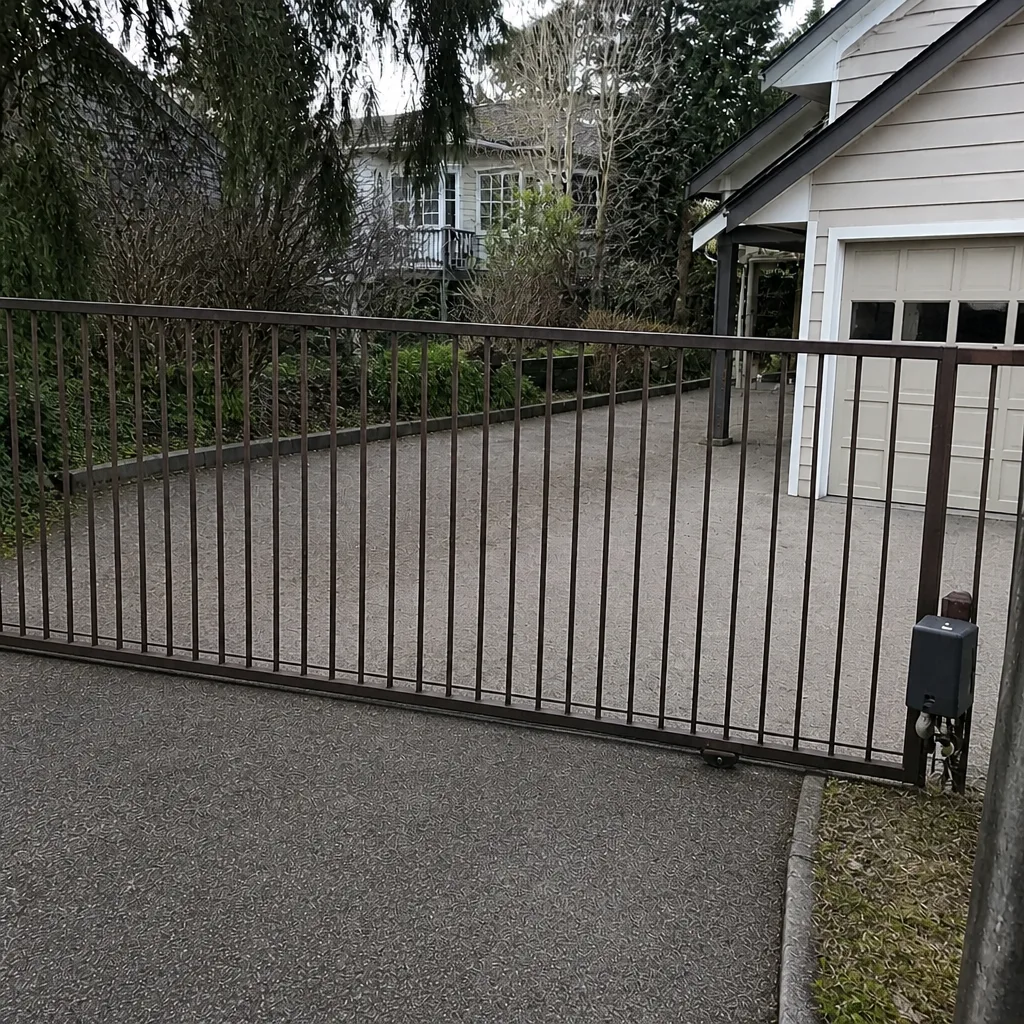
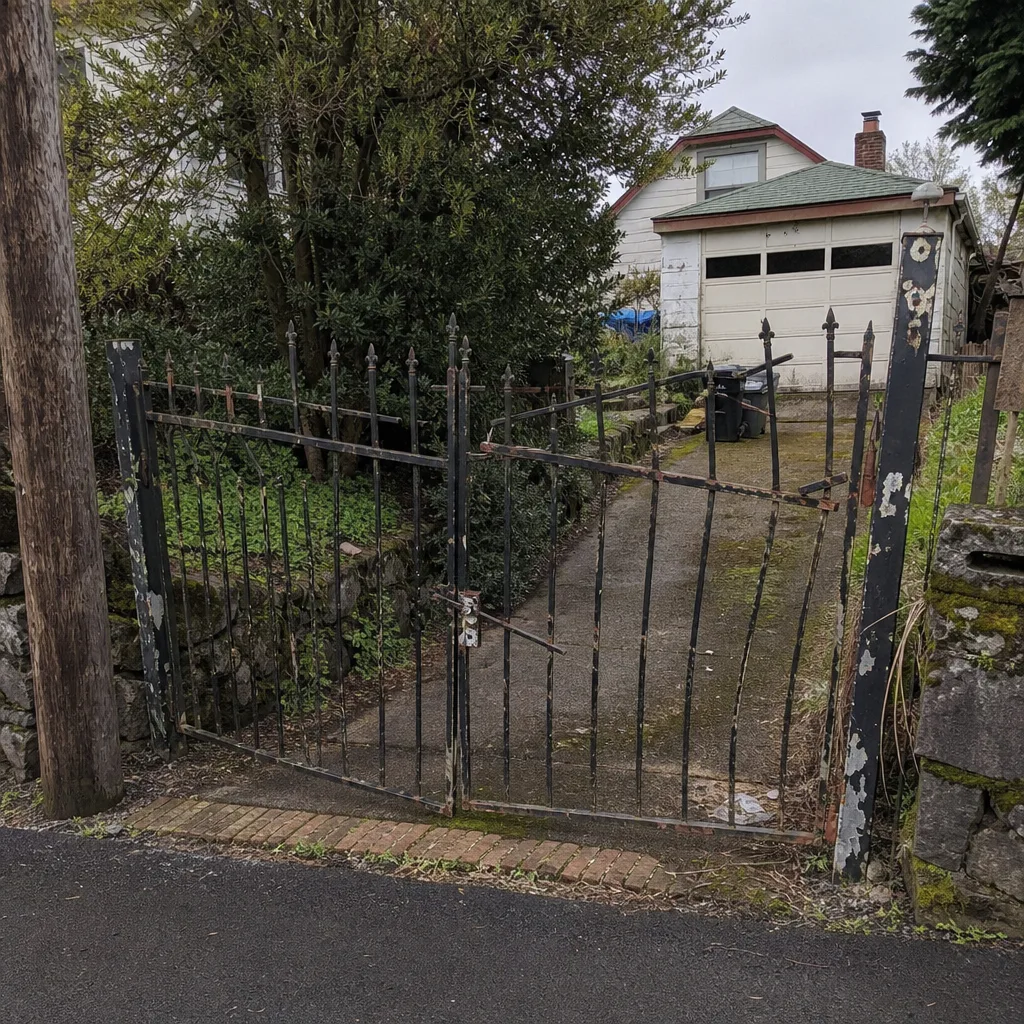
See the difference
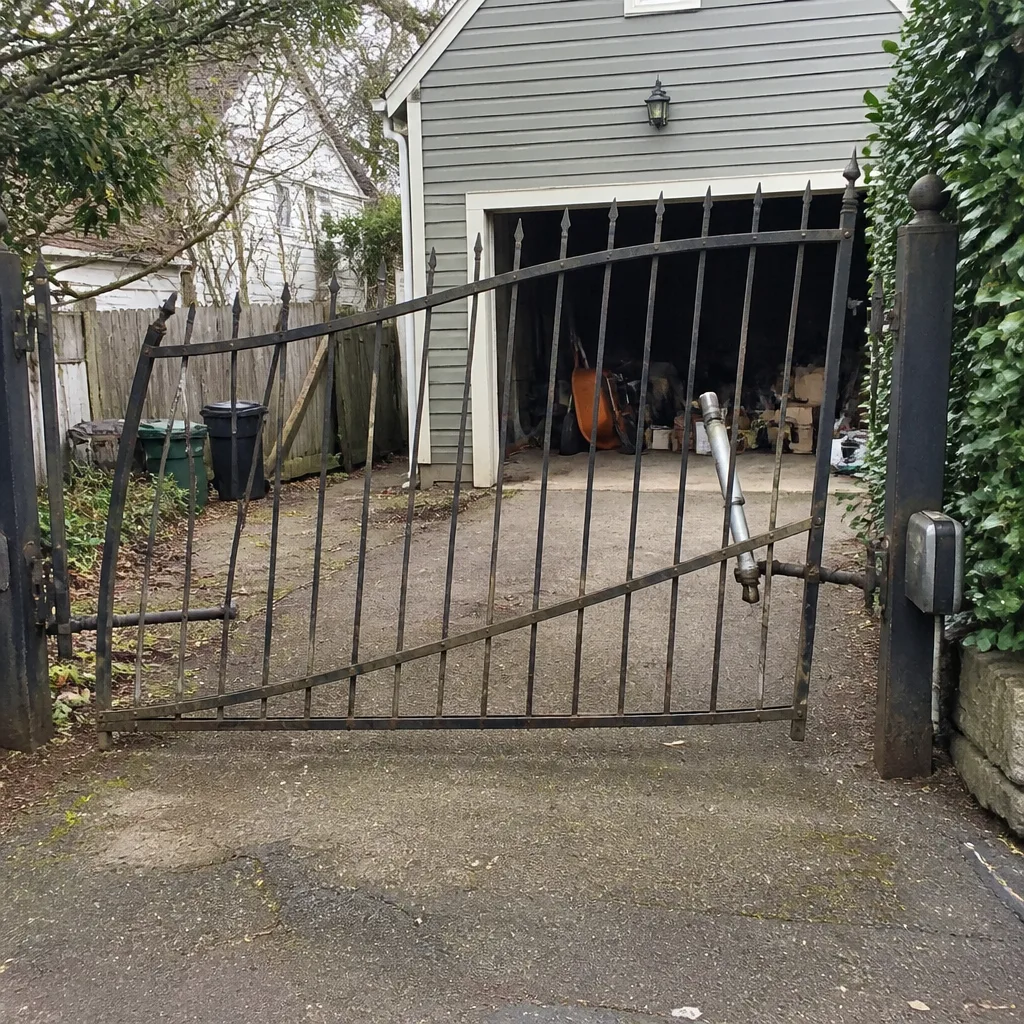 Before
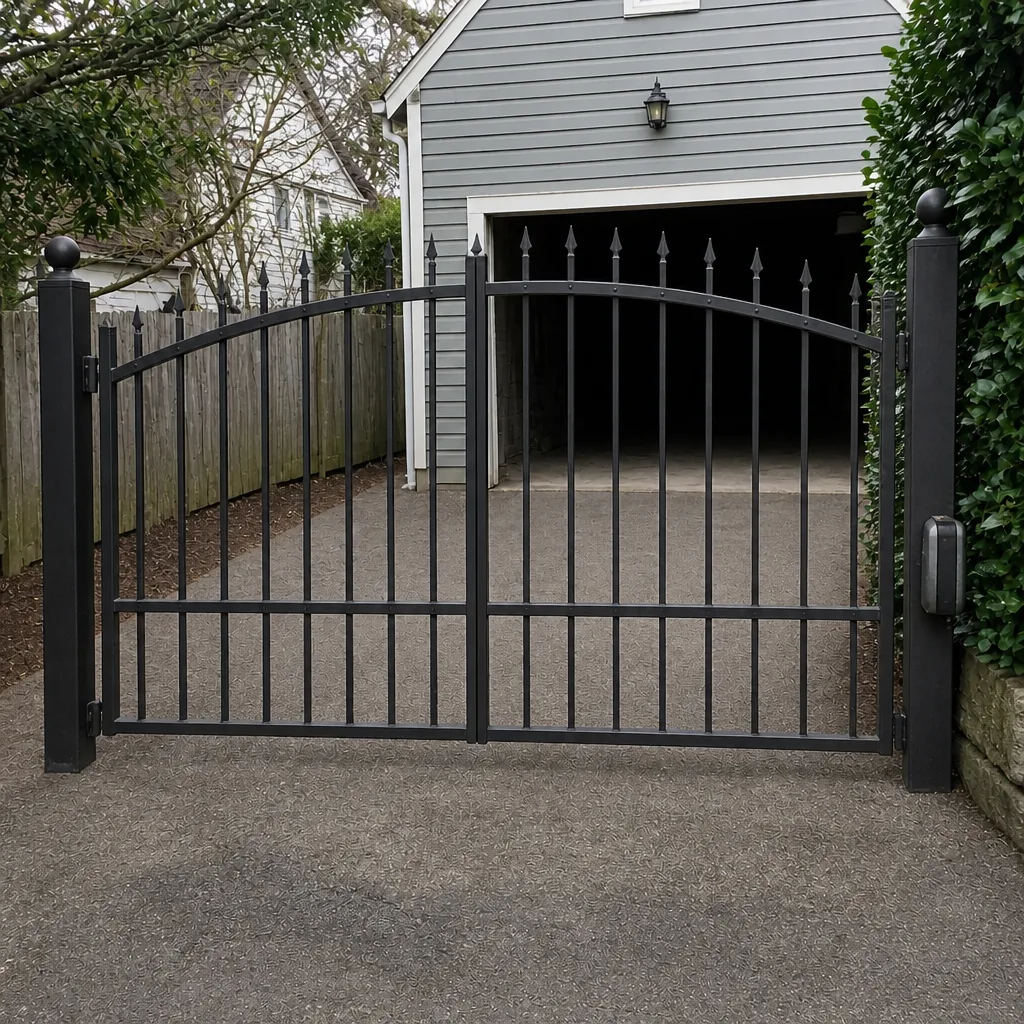 After
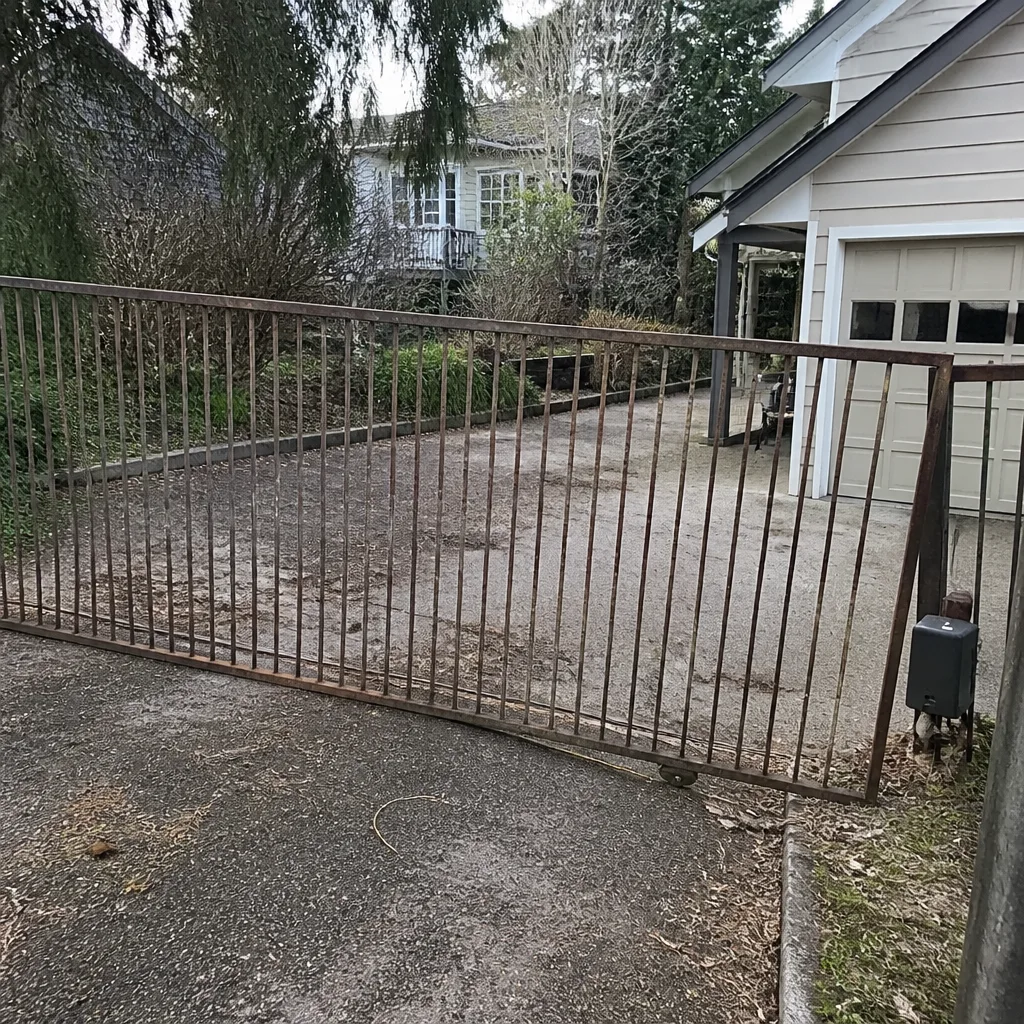 Before
 After
 Before
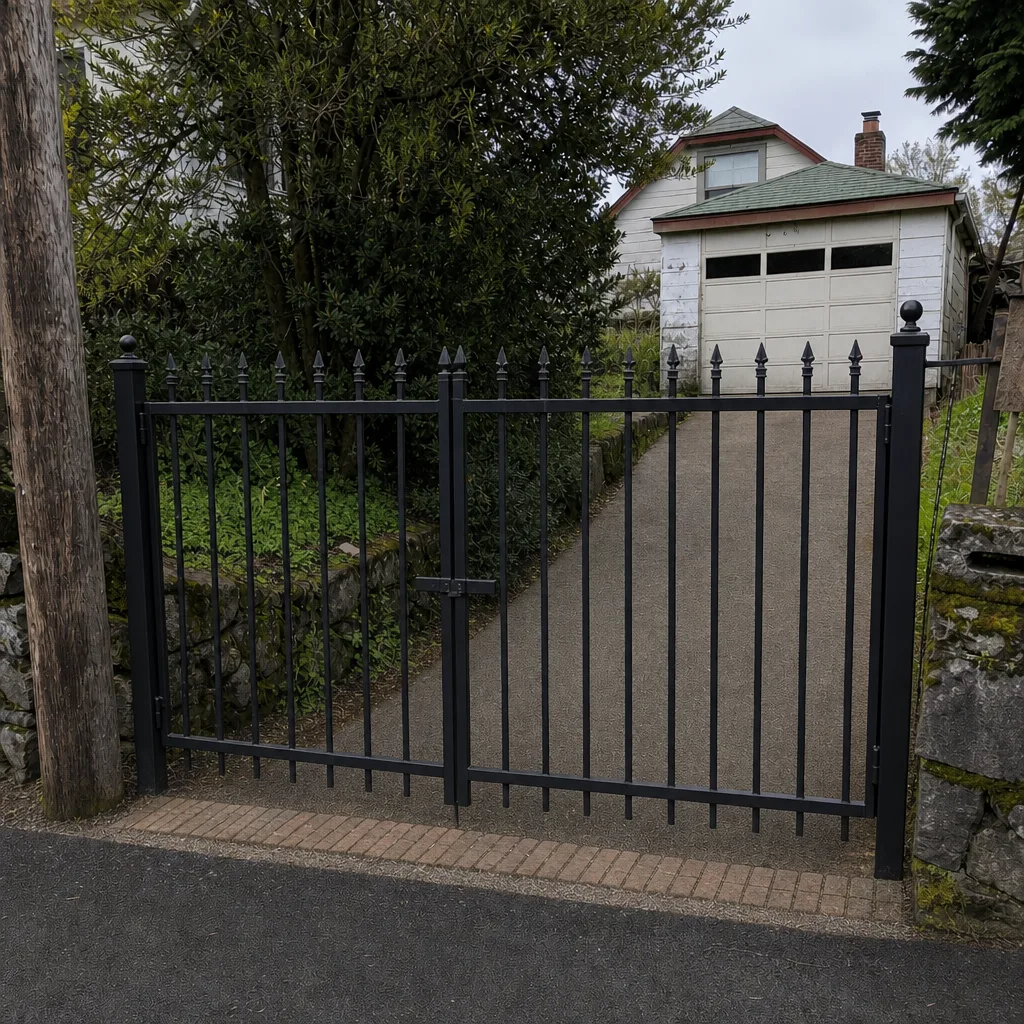 After
When to Call a Professional
If you’re buying or selling a Sellwood property with an electric gate and you don’t know its permit history, call. If you’re installing a new operator, converting a manual gate, adding access control, or replacing an operator with a different model, call. If your gate reverses unexpectedly, stops mid-travel, or has no safety edge and you’re not sure it’s compliant, call. If you’ve had a correction notice from an inspector and you’re not sure what it means, call. Our technicians have up to 10 years of experience with the brands that come up most on Sellwood gates and know the difference between a repair that clears code and one that doesn’t. Gate Repair Sellwood offers free estimates in Sellwood, OR – call (866) 947-9019. We answer 24/7. Fast dispatch from 7am to 7pm, Sunday through Friday.
Frequently Asked Questions
Yes. An electric gate operator installation in Sellwood almost always requires an electrical permit through the City of Portland, plus a licensed electrical specialty contractor to run the wiring. Building the gate frame is often considered carpentry or metalwork, but the operator, disconnect, ground, and safety wiring are electrical scope and are permitted. The permit should be pulled before any work starts, and the installation should be inspected once it’s complete. If a contractor suggests skipping the permit because the gate is in a backyard and “nobody will know,” that’s a sign to find a different contractor.
No. Repairing an existing operator, replacing a control board, adjusting a limit switch, or fixing a stuck gate typically does not require a new electrical permit. The dividing line is wiring: if the job adds, replaces, or moves wiring, it’s an installation and needs permitting. If it only involves the equipment on an existing compliant circuit, it’s a repair. When in doubt, ask the contractor to confirm the scope in writing before work begins. An unclear scope is the fastest way to find out months later that work you thought was a repair needed a permit.
UL 325 is the safety standard for automatic gate operators, and yes, your Sellwood gate needs to meet it. The standard requires entrapment protection: safety edges, photo-eye sensors, or a built-in reversing feature, matched to the gate’s type and size. Older gates frequently lack this protection, and a gate that keeps pushing after contact with an obstruction is the biggest failure we see. Adding protection to an existing compliant operator is usually a modest job. Correcting an unpermitted, non-compliant installation is more involved, which is why an on-site check is the right first step.
Usually yes. Portland BDS processes retroactive permits for electrical work, and a licensed electrical specialty contractor can apply for one on your behalf. The process starts with an inspection of the existing installation, then a permit application describing what’s in place, then corrections to any deficiencies, then the inspection. Most deficiencies are small: a missing disconnect, improper grounding, or missing UL 325 protection. Only in rare cases does the correction cost more than the gate is worth, and even then, the decision is based on a documented look, not a guess. In our experience, most retroactively permitted gates go through with a day or two of corrections.
Sometimes yes. Sellwood-Moreland neighborhood covenants and HOA rules can add requirements the city doesn’t enforce, including gate appearance, height, swing direction, setback, and noise limits. Those rules are recorded against the property and apply to the current owner regardless of when the gate was installed. Check the covenants before any new installation, operator replacement, or design change. If you’re not sure whether your street is covered, a quick records search at Multnomah County or a question to your HOA board will tell you. Getting this wrong usually costs more than getting a permit.
It can. If a gate injures someone and the installation turns out to be unpermitted or non-compliant with UL 325, an adjuster can question whether the gate was installed and maintained correctly. That’s not a guarantee of denial, but it’s a realistic risk that sits quietly until a claim happens. The fix is straightforward: permit the installation, add UL 325 protection where it’s missing, and keep the inspection record with your home documents. That paper trail is the difference between a clean claim review and a long argument. Call (866) 947-9019 for a free estimate if you want to know where your gate stands.
The Bottom Line
Permits, codes, and inspections aren’t paperwork for its own sake. On a Sellwood electric gate, they’re the record that someone qualified wired the operator, grounded it, and installed entrapment protection that could prevent an injury. New installations almost always need a permit. Repairs usually don’t. Retroactive permits are often easier than homeowners expect. UL 325 entrapment protection is a code requirement, not an upgrade. HOA covenants layer on top of city code and apply to the property, not just to the current owner. And the moment to sort this out is before an accident, not after a claim. Our technicians have up to 10 years of experience with LiftMaster, FAAC, Elite, and every other brand we service, and we’re here to get your gate documented, protected, and working. Call (866) 947-9019 for a free estimate. We answer 24/7. Fast dispatch from 7am to 7pm, Sunday through Friday. For general gate work, see our gate repair service and browse the Gate Repair Sellwood home page.
Written by the team at Gate Repair Sellwood.