
Last updated November 25, 2026
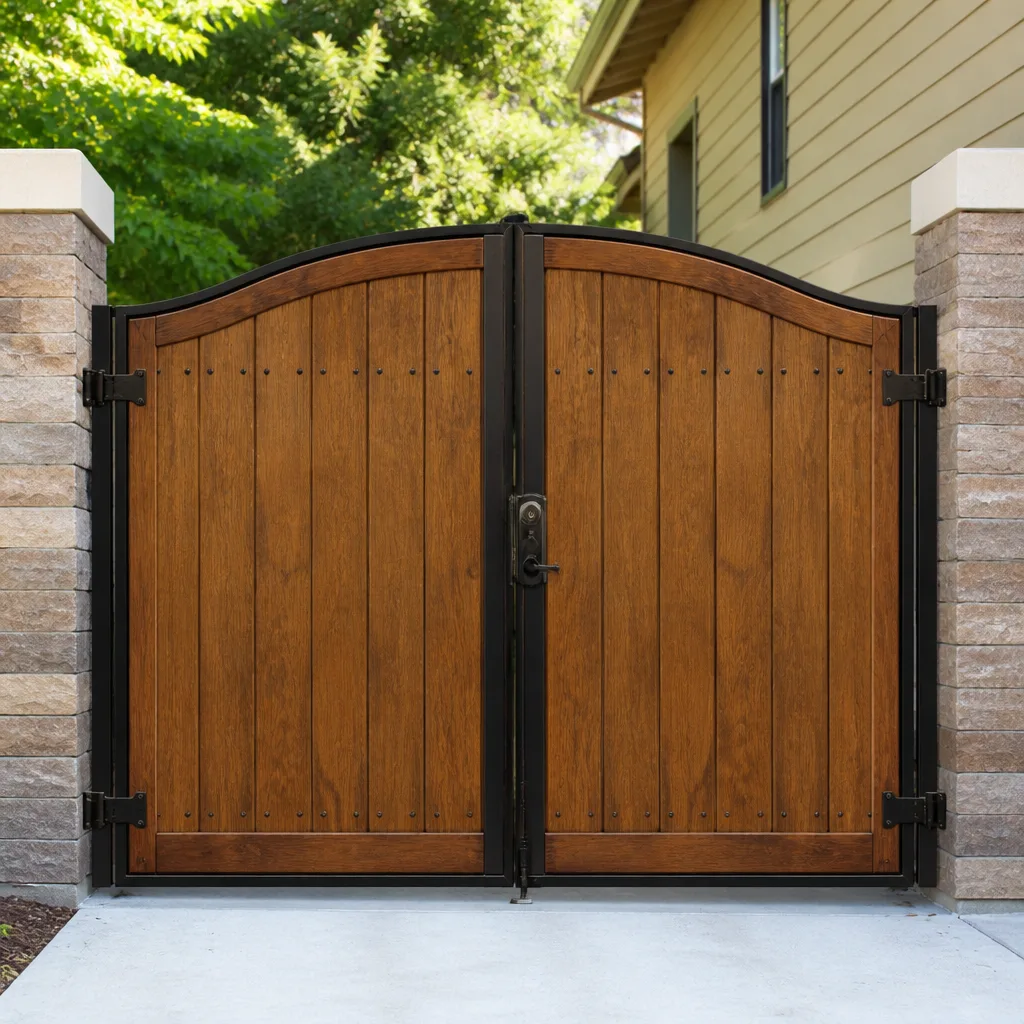 Wood & steel frame
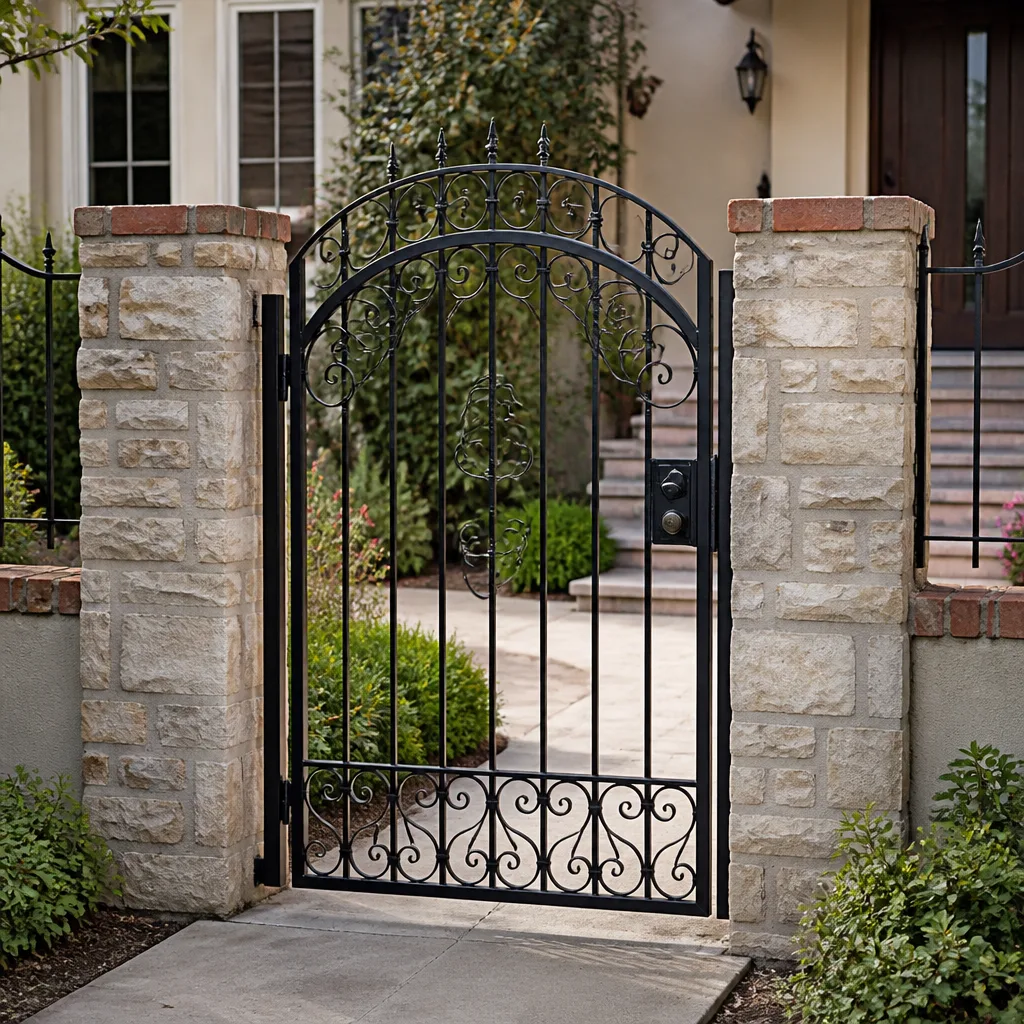 Wrought iron
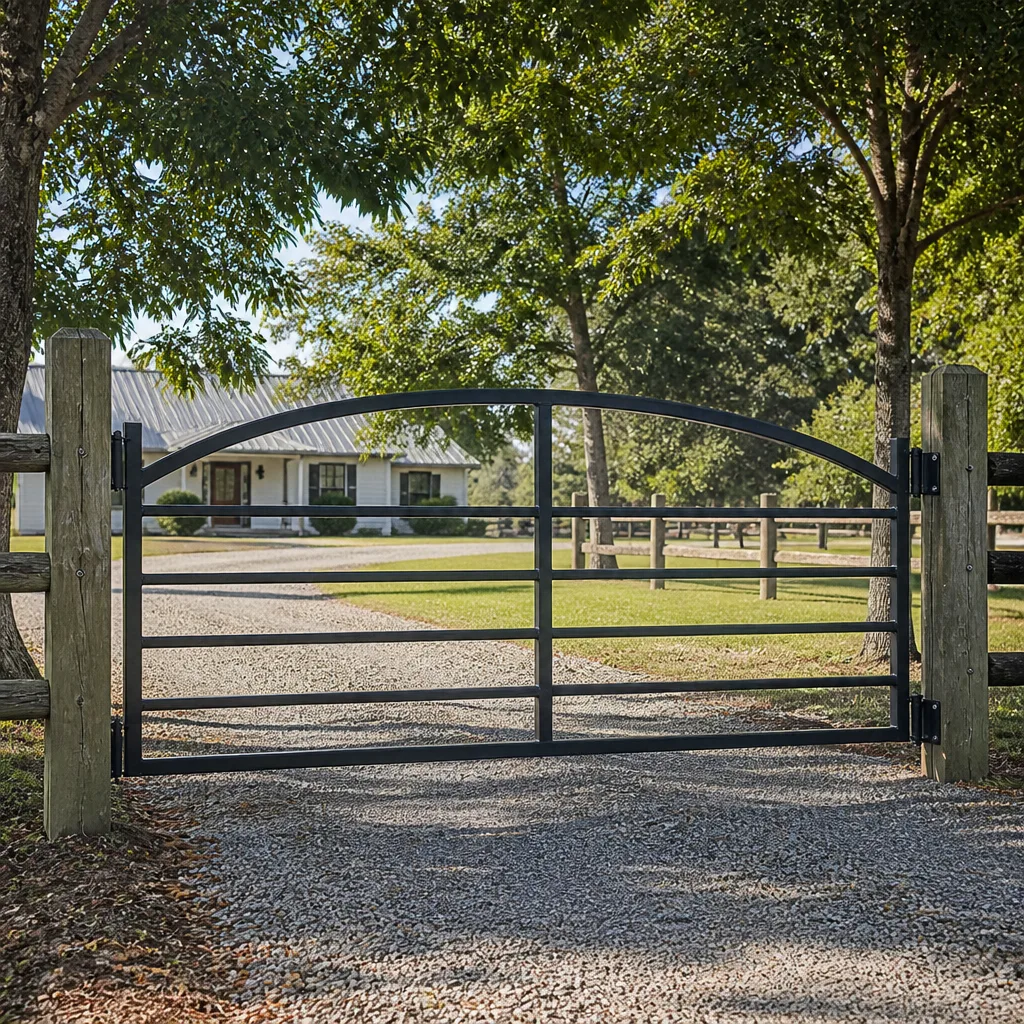 Farm & ranch
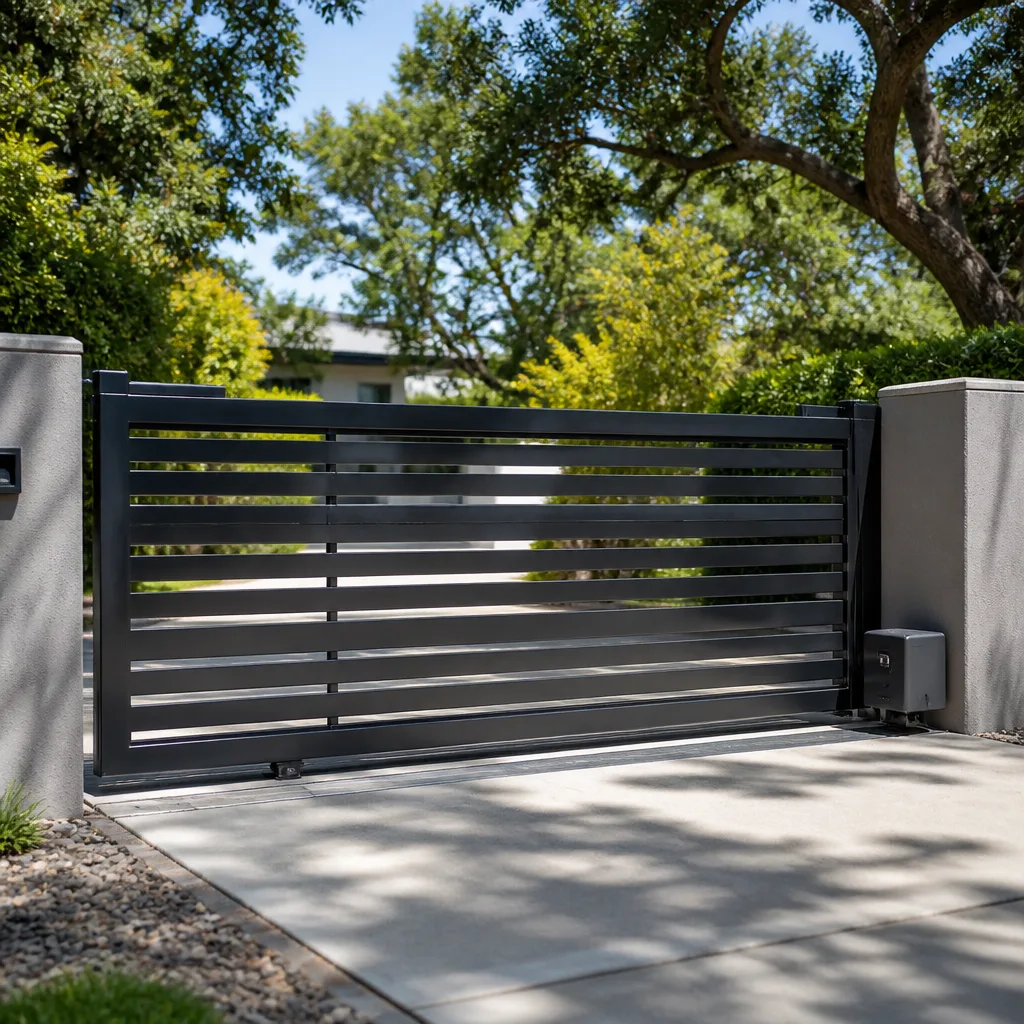 Sliding driveway gates
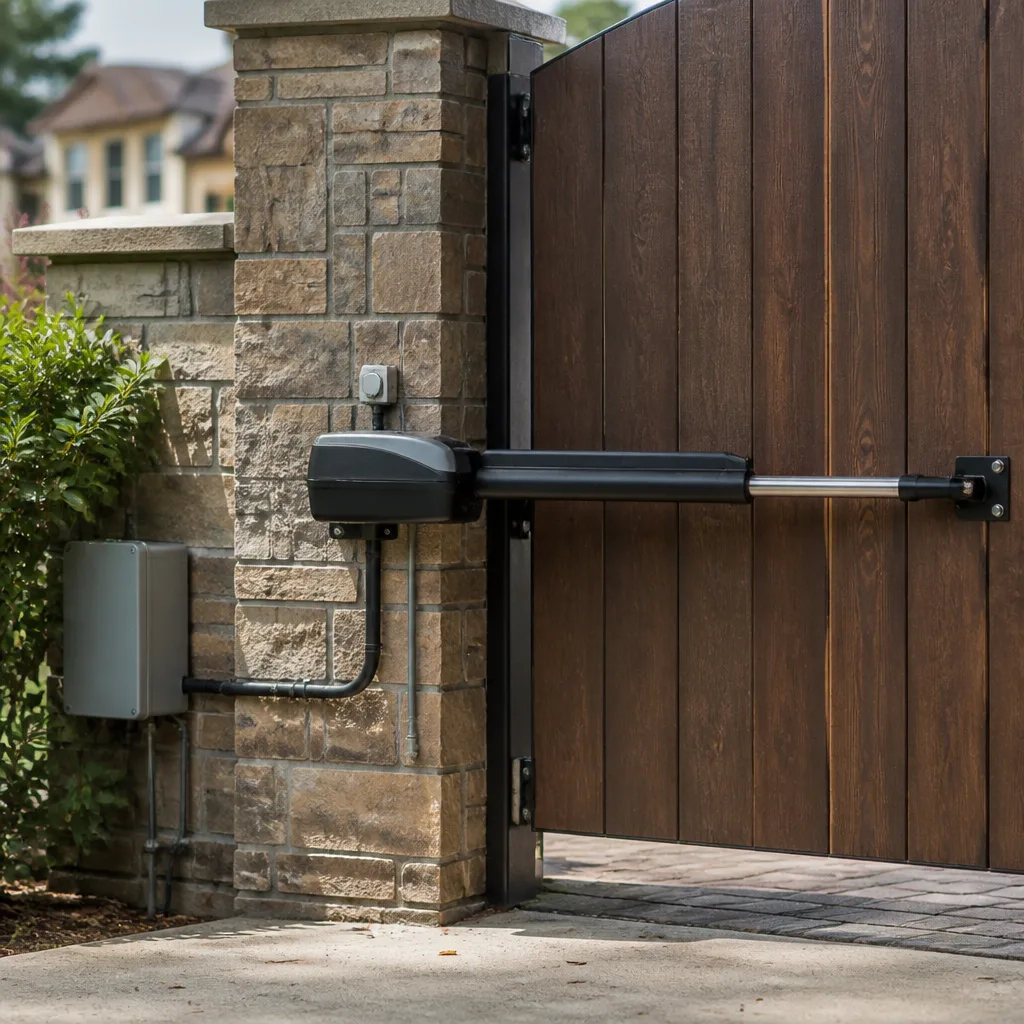 LiftMaster operators
Free on-site gate assessment - hinges, posts, and your LiftMaster or Nice gate operator checked before anything is quoted
The assessment is free and the quote is the invoice.
Get your free estimateGate Repair Warning Signs: A Sellwood Homeowner’s Reference Guide
A gate that hesitates for half a second before it moves is already telling you something. That pause is an operator working against mechanical resistance it shouldn’t have to fight, and it’s the kind of early signal most homeowners miss because the gate still opens. The obvious failures – a gate that won’t move at all, a motor that’s dead – are easy to spot. By the time those show up, the small problem has usually grown into an expensive one. This guide teaches you to read a gate the way a specialist does: listening to the operator, watching the hinges, checking the posts, and noticing the electrical quirks that point to trouble ahead. In Sellwood, where gates deal with wet winters and heavy leaf fall, those early signs matter even more. We’ll walk through what each symptom means so you can act before a minor fix turns into a major repair.
Quick Answer
The most important gate repair warning signs are subtle changes in how your gate moves, sounds, and responds: a half-second hesitation before it travels, new grinding or clicking from the operator, inconsistent remote response, slow cycle times, mid-travel reversals, rust streaking at the hinges, and shifting gaps at the latch side. Each points to a specific mechanical or electrical issue that’s cheaper to fix early. In Sellwood, wet winters and falling leaves make these signs appear faster, so a quick check after storm season saves real money.
Styles & brands we work with
- Wrought iron
- Wood & steel frame
- Farm & ranch
- Sliding driveway gates
- LiftMaster operators
Table of Contents
- Audio Diagnostics: What Your Gate’s Sounds Are Telling You
- Hinge and Hardware Visual Tells
- Operator Behavior Flags to Watch
- Post and Foundation Signals
- Electrical System Early Warnings
- How to Run a Monthly Gate Check in Sellwood
- Sellwood Seasonal Watch Points
- Common Mistakes to Avoid
Audio Diagnostics: What Your Gate’s Sounds Are Telling You
Your ears catch problems before your eyes do. Each sound a gate makes points to a different part of the system, and the distinction between swing and slide operators matters. A swing gate’s noise usually comes from the arm, the hinge, or the motor gearbox; a slide gate’s noise is more often the track, the rollers, or the operator’s drive sprocket. Learning to separate them saves diagnostic time and points you toward the right fix.
- Grinding: Metal-on-metal contact. On a swing gate, this usually means worn hinge bearings or a dry operator arm joint. On a slide gate, it typically means a roller seizing or the drive chain rubbing against a worn sprocket. Grinding gets worse fast and rarely fixes itself.
- Clicking: A rhythmic click at the start or end of travel often points to a relay or limit switch in the operator board, especially on FAAC and BFT units. Clicking during travel on a slide gate can mean a chain link catching a sprocket tooth.
- Humming: The motor is receiving power but the gate isn’t moving. On a swing gate this can be a jammed arm or a failed capacitor. On a slide gate it’s often the clutch slipping or a wheel off its track. Humming is a stop-and-investigate sign, not something to ignore.
- Silence: No sound at all when you trigger the gate usually means power, a blown fuse, a tripped breaker, or a dead board. Check the power source first, then the operator’s status light before assuming the motor has failed.
In our experience across the brands we service, the sound profile of a healthy LiftMaster swing operator is a low, steady whir with a clean stop. A healthy Ghost Controls unit sounds similar. When that smoothness changes, you’re hearing a mechanical or electrical change worth investigating. If your gate runs on a brand you’re unsure about, Gate Repair Sellwood can identify the system and its failure pattern from that sound alone more often than you’d expect. Get ahead of a repair by having a specialist listen before the noise becomes a breakdown.
Hinge and Hardware Visual Tells
Rust is one of the most misread signals on a gate. Some rust is cosmetic and some is an active warning. The difference is in the pattern, not the color. Sellwood’s wet winters push moisture into every seam, so knowing which rust to watch matters more here than in a dry climate.
- Surface oxidation: A light, even orange haze across a painted hinge or steel frame is usually cosmetic. It hasn’t eaten into the metal yet. A wipe and a coat of paint handles it.
- Rust streaking: Brown trails running down from a hinge or weld point mean water is sitting where it shouldn’t and the metal underneath is actively wearing. This is a sign of ongoing corrosion, and it usually means the hinge pin is binding or the weld has a hairline crack.
- Rust at the hinge pin itself: If the pin is reddish and the hinge no longer pivots freely, the gate is fighting resistance every time it swings. That resistance works its way back into the operator over time.
- Loose or wobbly hinges: A hinge that moves when you push the gate by hand, rather than letting the gate swing, is worn. Worn hinges misalign the gate and put lateral stress on the operator arm.
Check hinge hardware by hand with the gate in manual mode. A well-set hinge should let the gate swing smoothly with a light push and no vertical slop. In Sellwood, gates under tree cover collect moisture and organic debris at the hinge line, so a quick visual scan at the start and end of the wet season catches most hinge problems before they spread. If a hinge is streaking or binding, treat it as a repair signal rather than a cosmetic one.
Operator Behavior Flags to Watch
The operator is the brain and muscle of an electric gate, and it broadcasts trouble through behavior before it fails outright. Watch for these patterns during normal use, not just when something breaks.
- Half-second hesitation before travel: The gate pauses briefly before it moves. This is often the operator overcoming mechanical resistance it shouldn’t have to fight – a stiff hinge, a dragging roller, a slightly misaligned latch. Left alone, that resistance wears the motor and gearbox.
- Slow cycle time: If the gate takes noticeably longer to open or close than it used to, the operator is laboring. On FAAC and BFT units, slow travel can point to low battery in a solar setup, a failing capacitor, or a binding mechanical component.
- Mid-travel reversal: The gate stops and reverses partway through its arc. This is a safety feature reacting to something – a misaligned safety edge, a loose loop detector, or mechanical binding that the board reads as an obstruction. Never bypass a reversal; diagnose it.
- Inconsistent remote response: Sometimes the remote works from the driveway, sometimes it doesn’t. This is usually a range or interference issue, not a dead remote, and it’s covered in the electrical section below.
- Jerky or uneven travel: The gate lurches rather than glides. On a slide gate this often means a flat spot on a roller or debris in the track. On a swing gate it can mean a worn operator arm bushing.
If your operator is a Viking, Ghost Controls, DoorKing, or Elite, each brand has known behavior patterns we train for, so the diagnosis is faster than a generalist’s guesswork. When the operator misbehaves, it’s already telling us where to look. For anything involving the operator’s line voltage or internal wiring, stop and call a technician; that’s not a homeowner’s job. Our gate motor & opener service covers diagnosis and repair across every brand we work with.
Post and Foundation Signals
The posts hold the gate, and the gate is only as stable as the posts beneath it. Foundation problems show up as small changes in how the gate lines up with the latch and how the posts sit in the ground. In Sellwood’s wet clay soil, posts can shift more than you’d expect, so these signals are worth checking regularly.
- Gap changes at the latch side: Measure the gap between the gate and the latch post now and again. A gap that grows or shrinks over months means a post is moving. A tight gap in summer that opens in winter is a sign of soil movement.
- Ground-line rust on steel posts: Rust at the exact point where the post meets the soil means moisture is trapping at the base. That’s where a steel post fails first, and it’s a signal worth catching early.
- Mortar cracking around a concrete-set post: Hairline cracks where the post meets its concrete collar mean the post is shifting or the concrete is settling. Water gets in, the crack widens, and the post loosens over time.
- A gate that no longer lines up on its own: If the gate used to swing into the latch with a click and now needs a nudge, the frame has likely moved slightly. That tiny shift puts stress on the operator.
- Tilting or leaning posts: Any visible lean is a structural issue. Do not try to force a leaning post back into place; that’s a job for a technician who can assess whether the post needs resetting.
Foundation and post issues are usually slow, which is why they’re easy to miss and expensive to ignore. Check the latch gap seasonally in Sellwood, especially after the wet months. If a post has moved, the fix may be as simple as resetting a hinge or as involved as re-seating the post, and knowing which saves a lot of guessing.
Electrical System Early Warnings
Electrical problems show up as small annoyances before they become gate failures. Remote range that shrinks, a keypad that lags, and warning LEDs on the operator board are the gate’s early electrical warnings.
- RF remote range reduction: If your remote used to work from thirty feet and now only works from ten, the receiver, antenna, or battery is weakening. It may also mean new interference from something nearby. Range loss is an early warning, not a normal part of aging.
- Keypad lag: A keypad that responds slowly or needs a second press is usually showing a fading power supply or a loose connection. On access control systems, lag can also point to a board struggling under load.
- Status and warning LEDs: Operator boards use LED codes to communicate faults. LiftMaster boards flash specific patterns to indicate obstruction, safety-edge, or limit-switch problems. Check the LED pattern against the manual before assuming anything.
- Flickering or dim display: Flickering displays and dim keypad backlights point to a power supply losing its output. That’s an early warning of a failure that will eventually stop the gate.
- Intermittent power: A gate that loses power briefly and then comes back can have a loose connection at the transformer, a failing control board, or a battery that no longer holds a charge. This needs a technician’s meter and testing.
Never open the operator housing or probe the wiring yourself. Line voltage and battery systems on an electric gate can deliver a serious shock, and a botched repair can disable the safety features that keep people and vehicles safe. A specialist uses the right meter and follows the manufacturer’s board codes. Our gate repair service includes full electrical diagnosis across the nine brands we service, from Linear to US Automatic-style control boards and everything in between.
How to Run a Monthly Gate Check in Sellwood
A short monthly check catches the early signs before they become expensive. It takes about ten minutes and doesn’t require tools. Do it on a dry day and write down anything that changes from month to month.
- Walk the full travel. Open and close the gate and watch it from start to finish. Look for hesitation, jerky motion, or an uneven arc.
- Listen. Note the sound. Compare it to last month. New grinding, clicking, or humming is the signal to look further.
- Check the latch gap. Look at the gap between the gate and the latch post. If it has changed, the post or hinge has shifted.
- Inspect hinges and hardware. Look for rust streaks, loose pins, and wobbly hinges with the gate in manual mode.
- Test the remotes and keypad. Try each remote from a normal distance. A drop in range is an early electrical warning.
- Check the safety edges. Confirm the gate reverses when the safety edge or loop detector is triggered. If it doesn’t, stop and call a technician.
- Clear debris from the track. On a slide gate, clean leaves and grit from the track. In Sellwood, leaf fall during the wet season is heavy, and debris in the track is a common cause of roller wear.
Log what you find each month. A record of small changes makes it far easier for a technician to diagnose a developing issue during a service visit, and it helps you know when a repair is genuinely needed. A gate that behaves the same way month after month is healthy. A gate that drifts is telling you something.
Sellwood Seasonal Watch Points
Gate problems in Sellwood follow the seasons. Knowing what to watch for when makes the early signs easier to catch. This neighborhood’s tree cover and wet winters shape what fails and when.
- Wet season, late fall through early spring: Moisture drives the corrosion and hinge-binding signals. Check hinges and steel posts for rust streaking and ground-line rust. Water in the operator housing can trip a board, so a dry day check after heavy rain is worth the time.
- Leaf fall: Fallen leaves in a slide gate track are a common cause of roller wear and jerky travel. Clear the track often during leaf season.
- Spring growth: New growth near a swing gate can block its arc and trigger mid-travel reversals. Trim back vegetation from the gate’s travel path.
- Summer dry spells: Dry soil can shift or loosen posts set in clay. Check the latch gap through the summer, especially on older gates.
If you’re planning an upgrade or replacing a failing operator, the timing matters. Our gate installation service covers new gates and operator replacement, and we schedule that work around a written estimate and a measure, not a same-day promise. A gate check before the wet season catches the signs while they’re still small repairs.
Common Mistakes to Avoid
- Ignoring the hesitation. A gate that pauses before moving is telling you it’s fighting resistance. Waiting until it stops working turns a small hinge adjustment into a motor replacement. Address the pause when you notice it.
- Bypassing the safety reversal. If the gate reverses mid-travel, it’s reacting to something. Disabling the safety edge or loop detector to “make it work” removes a protection that keeps people safe. Diagnose the cause instead.
- Treating rust as purely cosmetic. Streaking rust from a hinge or ground-line rust on a post means active wear. Sanding and painting over a structural rust problem hides the signal without fixing the cause.
- Oiling a rusty hinge without fixing the alignment. Oil on a binding hinge buys time, but the underlying misalignment or wear keeps wearing the operator. Fix the hinge, not just the squeak.
- Opening the operator housing yourself. Line voltage and battery systems can shock, and a DIY repair often leaves the gate’s safety features disabled. That’s a technician’s job.
- Assuming a dead remote needs replacing. Reduced range is usually a receiver, antenna, or battery issue, not a dead remote. Replacing the remote wastes money and leaves the real problem in place.
- Skipping the seasonal check. In Sellwood’s wet winters and heavy leaf fall, a gate that isn’t checked after each season drifts toward failure faster than in a dry climate. The monthly check catches most of it.
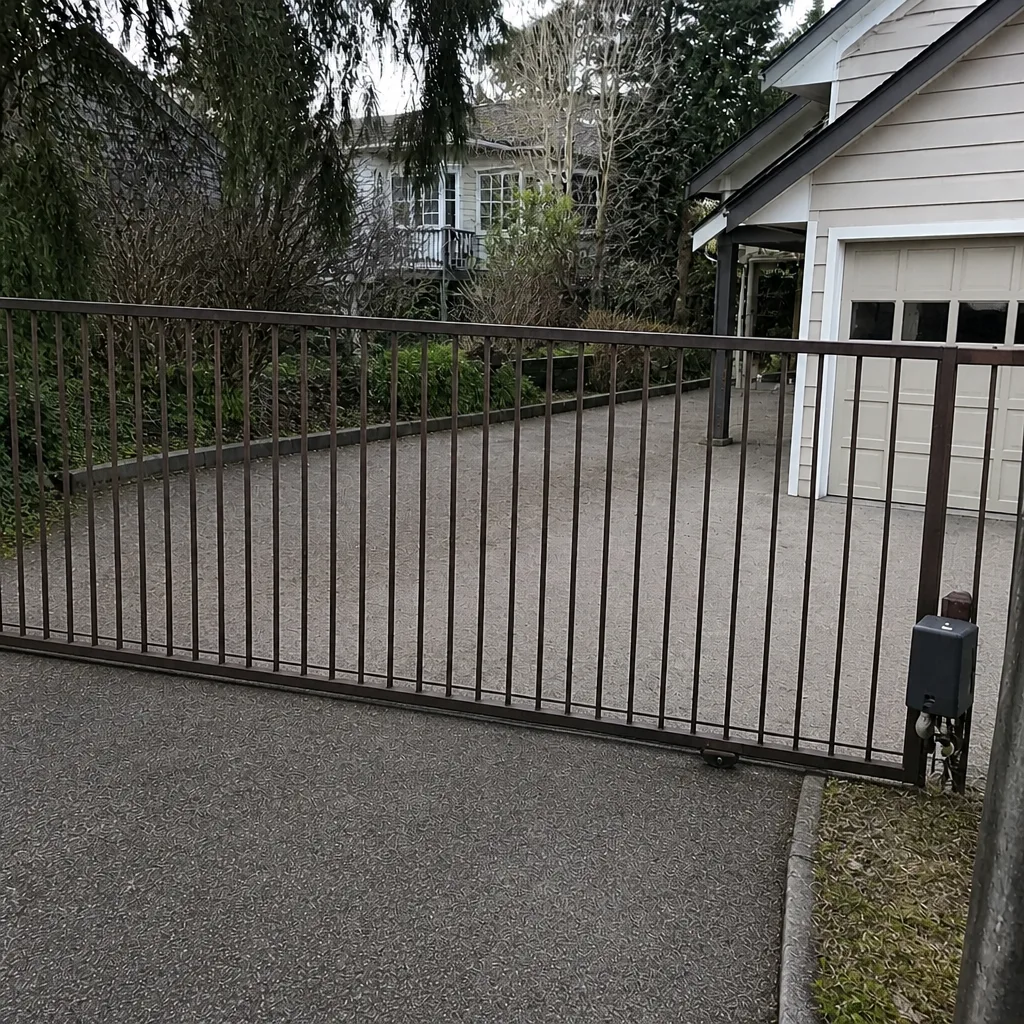
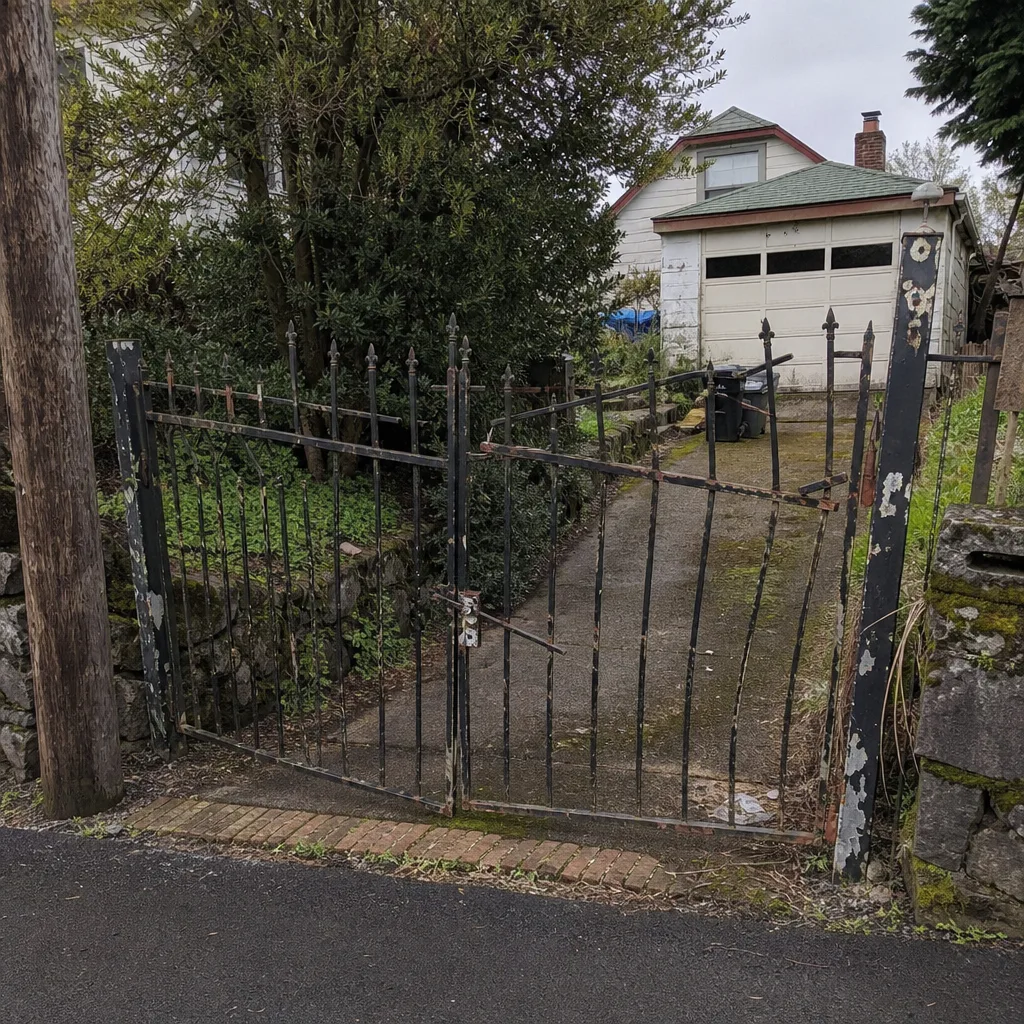
See the difference
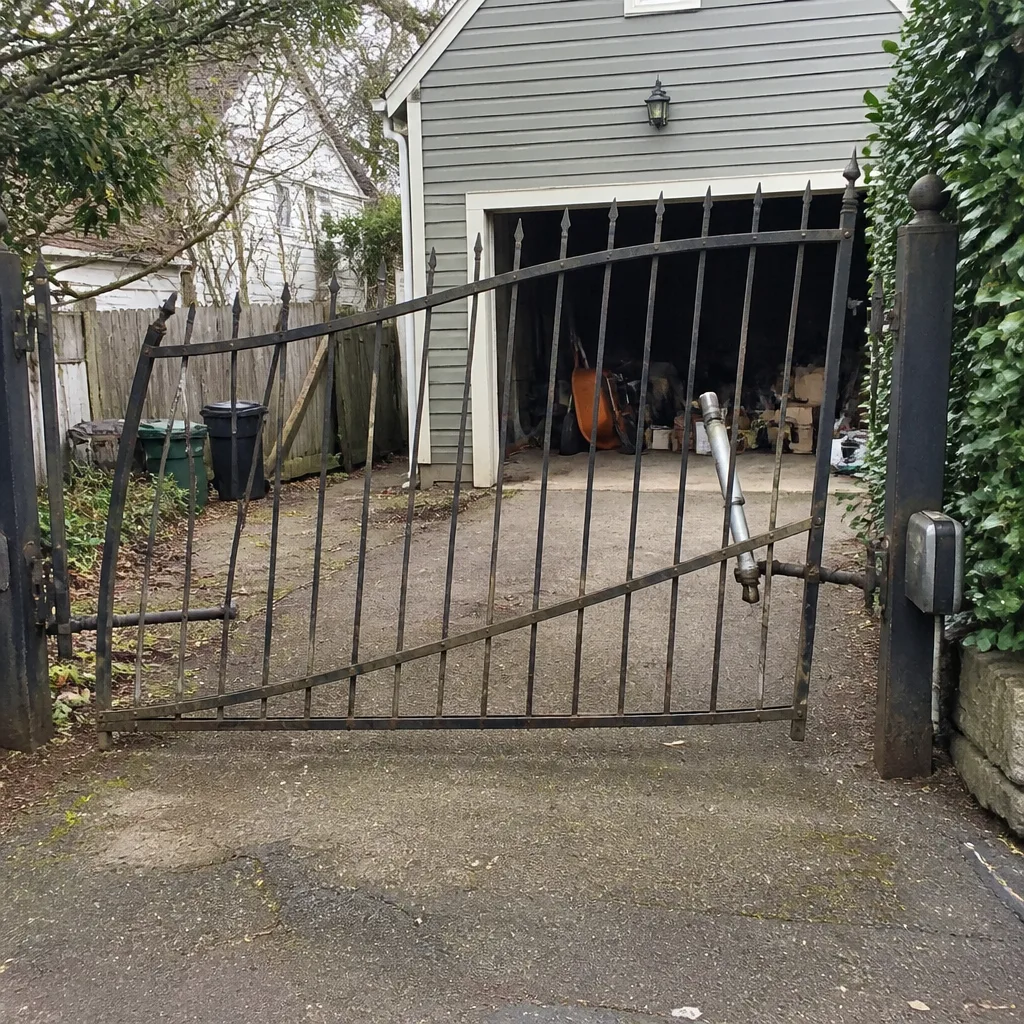 Before
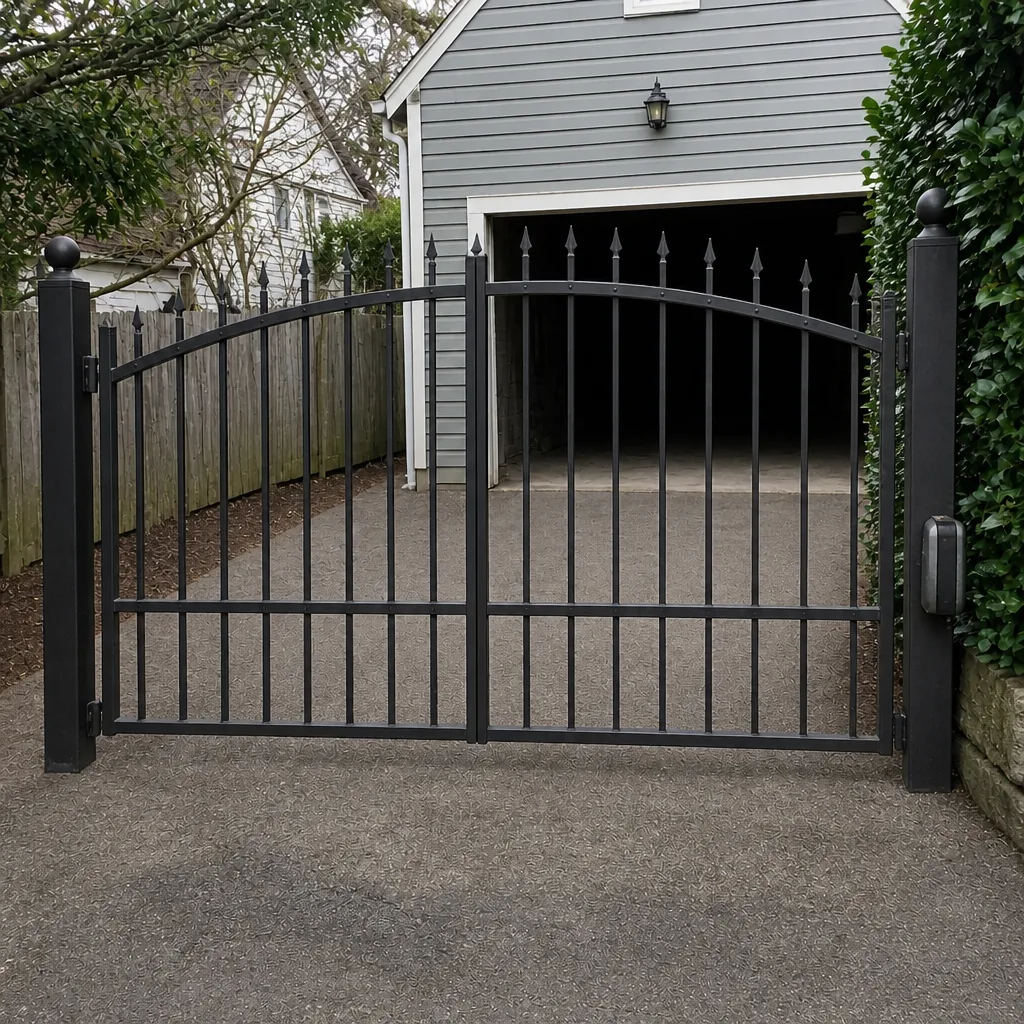 After
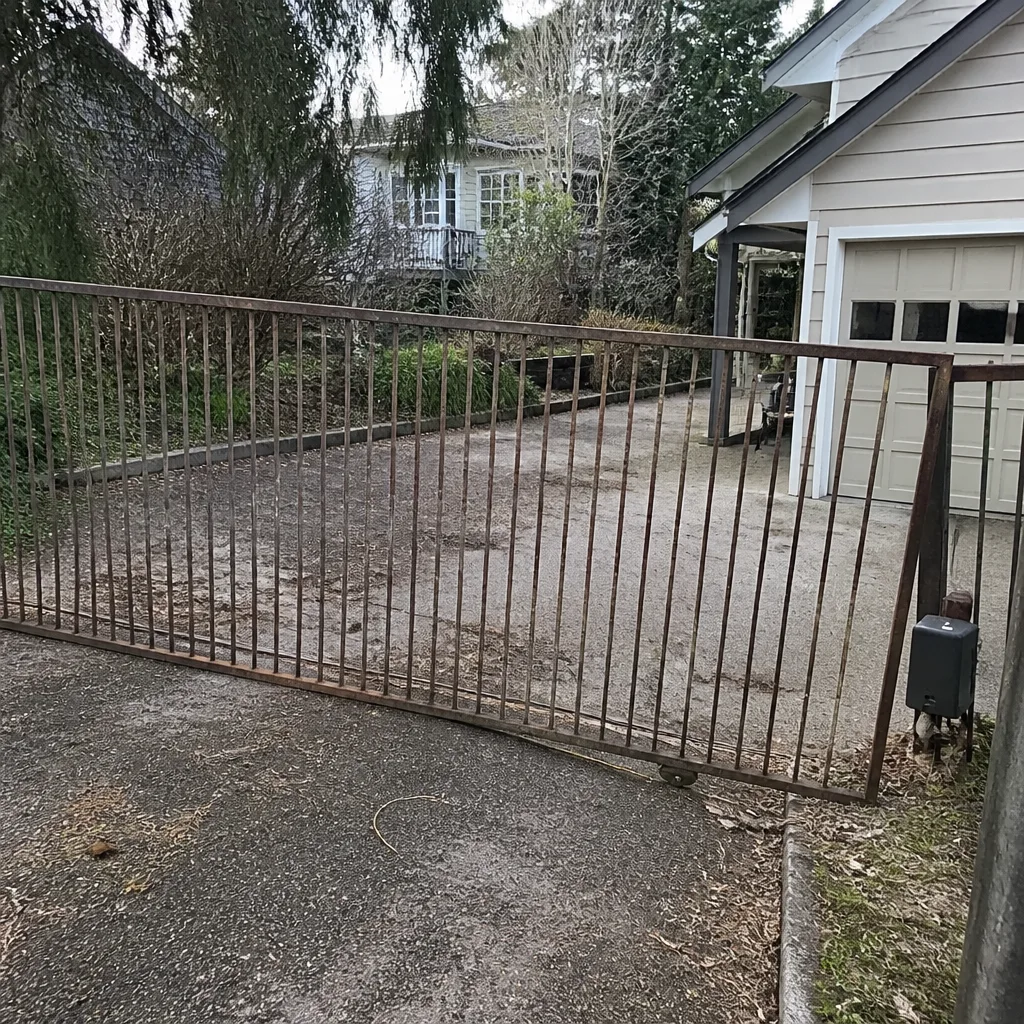 Before
 After
 Before
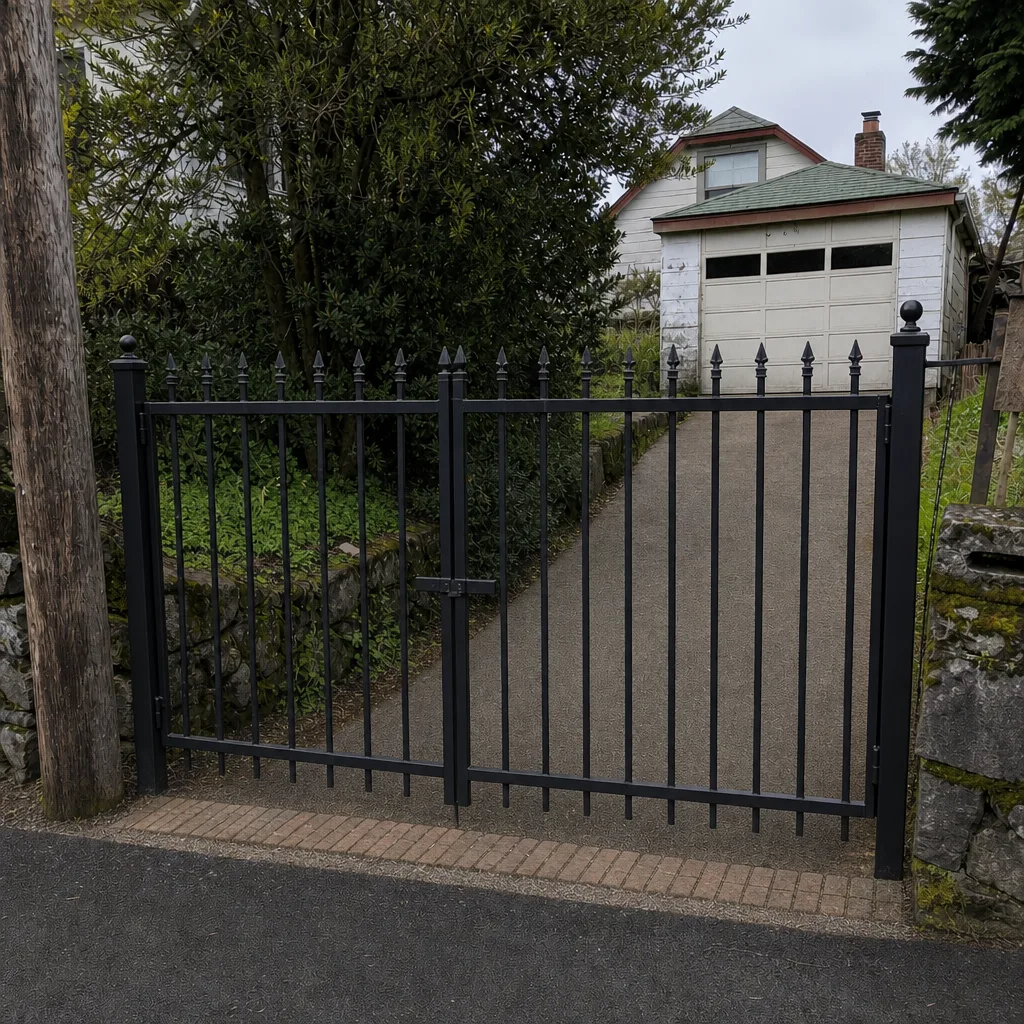 After
When to Call a Professional
Call a technician when the signals point past the small stuff. That includes any hesitation, loud grinding, or slow cycle that doesn’t resolve after a basic check; a mid-travel reversal you can’t trace to debris or a blocked arc; hinge wobble or a post that has visibly moved; rust at a ground-line on a steel post; and any electrical warning such as range loss, keypad lag, a warning LED code, or a gate that stops responding. Leave operator housings and gate posts alone; those are the parts that fail dangerously when handled without training. Gate Repair Sellwood offers free estimates in Sellwood – call (866) 947-9019. We answer 24/7. Fast dispatch from 7am to 7pm. Our technicians have up to 10 years of experience with the brands and failure modes that come up most on real residential and commercial gates.
Frequently Asked Questions
A half-second hesitation before travel, new grinding or clicking from the operator, slow cycle time, mid-travel reversal, inconsistent remote response, rust streaking at the hinges, and a shifting latch gap are the most common early signs. Each points to a specific issue that’s cheaper to fix early. In Sellwood, wet winters and leaf fall make these signals appear faster, so a seasonal check catches them sooner. Call (866) 947-9019 for an exact diagnosis – estimates are free.
Often, yes. Grinding points to worn bearings or a seized roller, clicking to a relay, limit switch, or chain catching a sprocket, humming to a jammed arm, failed capacitor, or clutch slip, and silence to power or board failure. The sound is the first diagnostic signal. A specialist narrows it from there with a live check. Call (866) 947-9019 to have a technician listen and confirm.
Repair pricing is set per job by the written estimate, so we won’t quote a number before we’ve looked at the gate. The estimate is free, and the price is quoted and agreed before any work starts. That means no surprise invoice after the repair. Call (866) 947-9019 for a free estimate.
For a gate that has stopped working, we offer same-day service when a technician is available. We answer 24/7, and fast dispatch runs from 7am to 7pm, Sunday through Friday. A call outside dispatch hours is booked into the next opening. Call (866) 947-9019.
We service nine major gate automation brands: LiftMaster, FAAC, BFT, Linear, Viking, Ghost Controls, DoorKing, Elite, and Mighty Mule. Residential and commercial systems are both covered, from a single-family driveway gate to a multi-unit access system. If your gate runs on one of these, we know it cold. Call (866) 947-9019 to confirm your model.
No. Operator housings carry line voltage, and battery systems can shock. The board’s LED codes are useful, but reading them safely requires a trained technician with the right meter and the manufacturer’s fault chart. If you see a warning light, write down the blink pattern and call (866) 947-9019.
The Bottom Line
The warning signs that matter are the quiet ones: a hesitation before travel, a new sound, a rust streak, a latch gap that’s changed, a remote that works from a shorter distance. Each is an early signal that a specialist reads and a homeowner can learn. In Sellwood’s wet winters and heavy leaf fall, these signs appear faster, so a monthly check and a seasonal inspection are the best protection for your gate. Catch them early and you turn a potential emergency into a small repair. From repair to installation to access control, one gate-only team handles it. Call Gate Repair Sellwood at (866) 947-9019 for a free estimate.
Written by the team at Gate Repair Sellwood.