
Last updated November 25, 2026
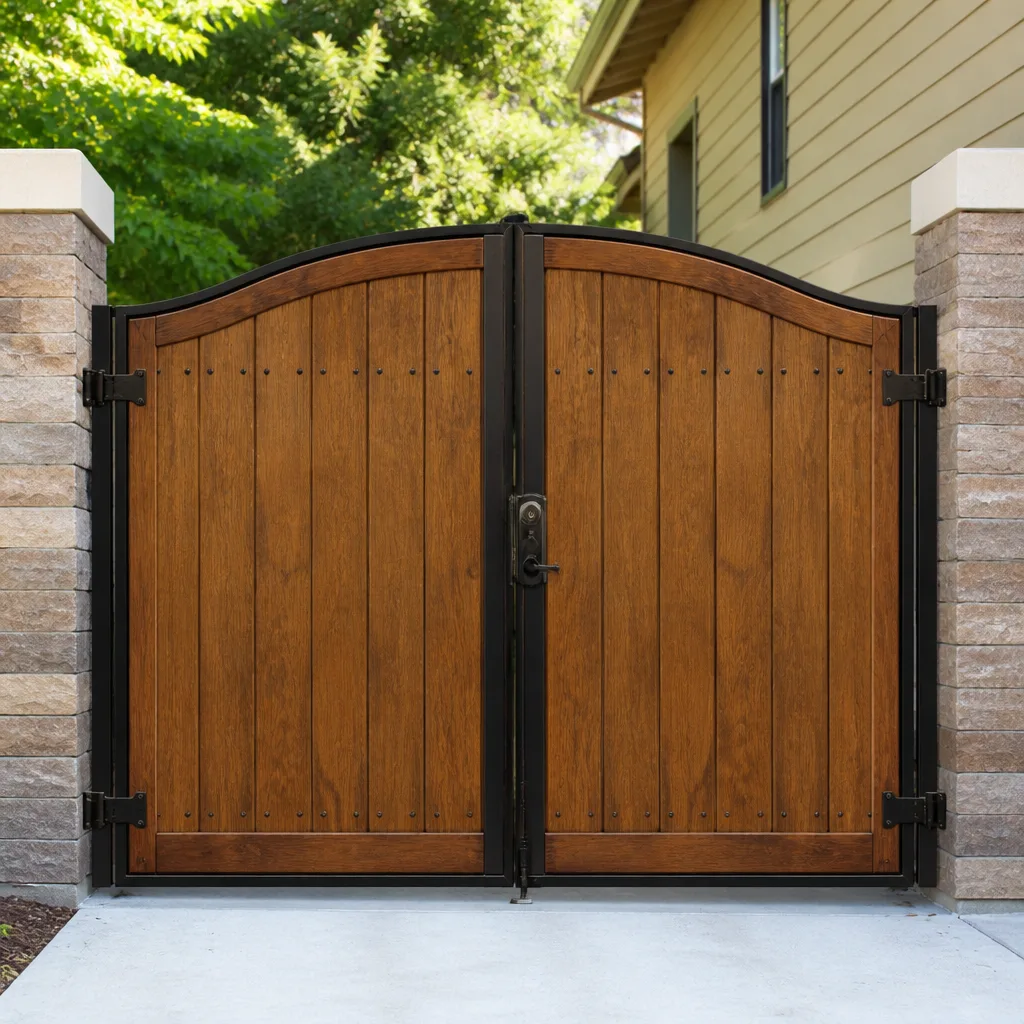 Wood & steel frame
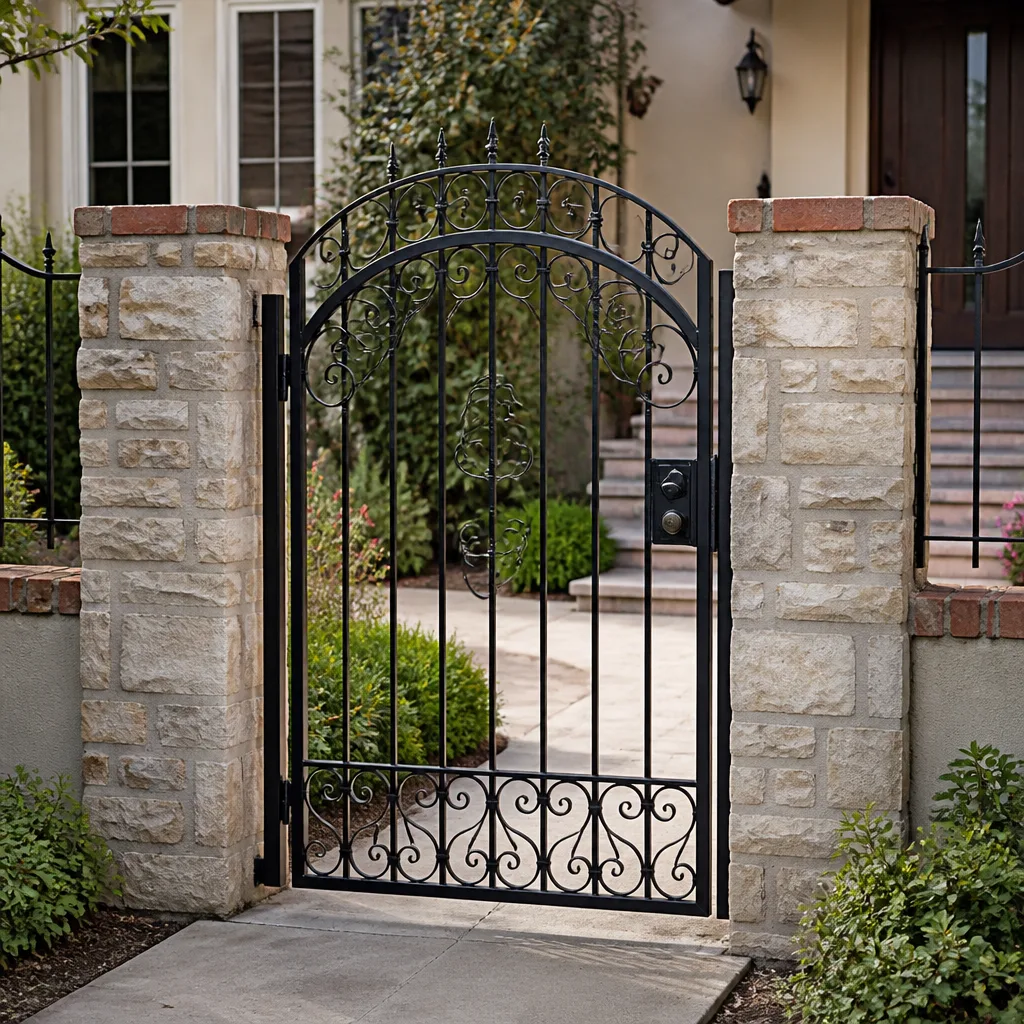 Wrought iron
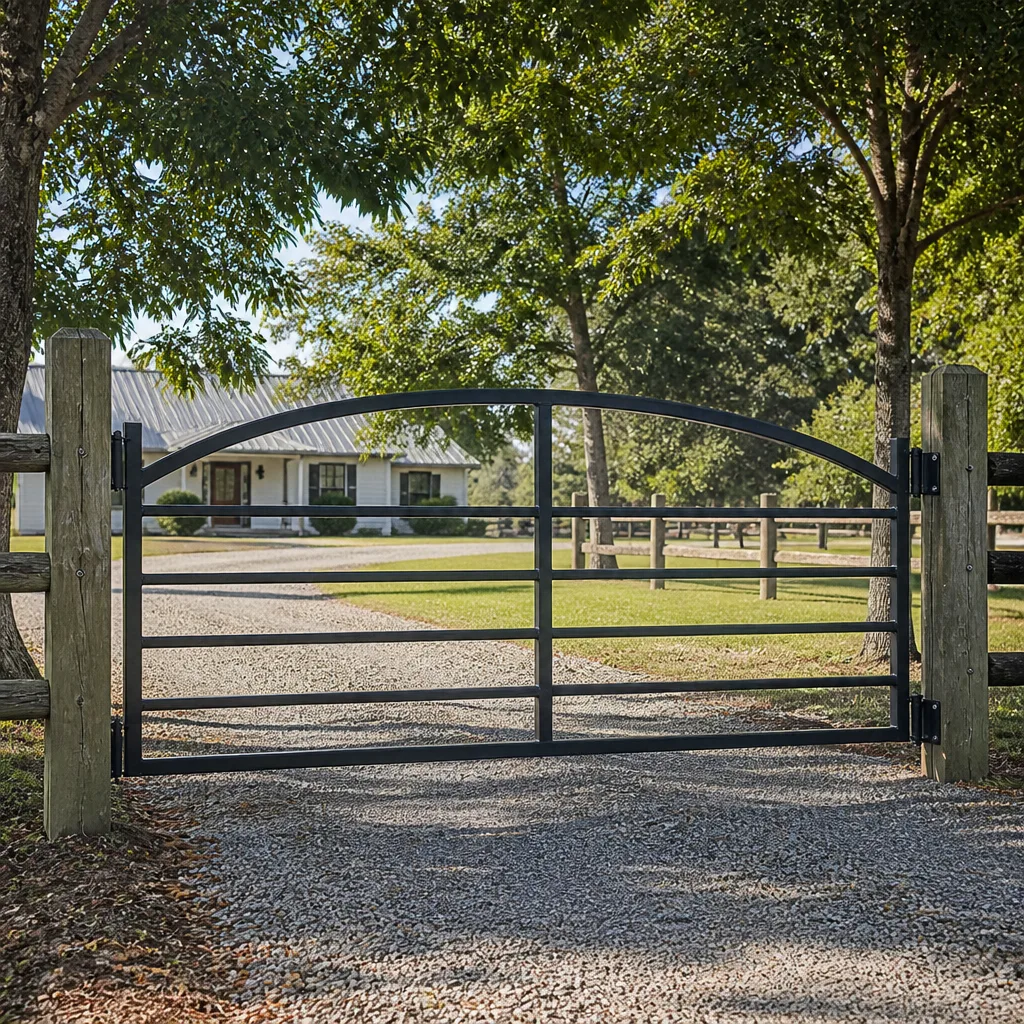 Farm & ranch
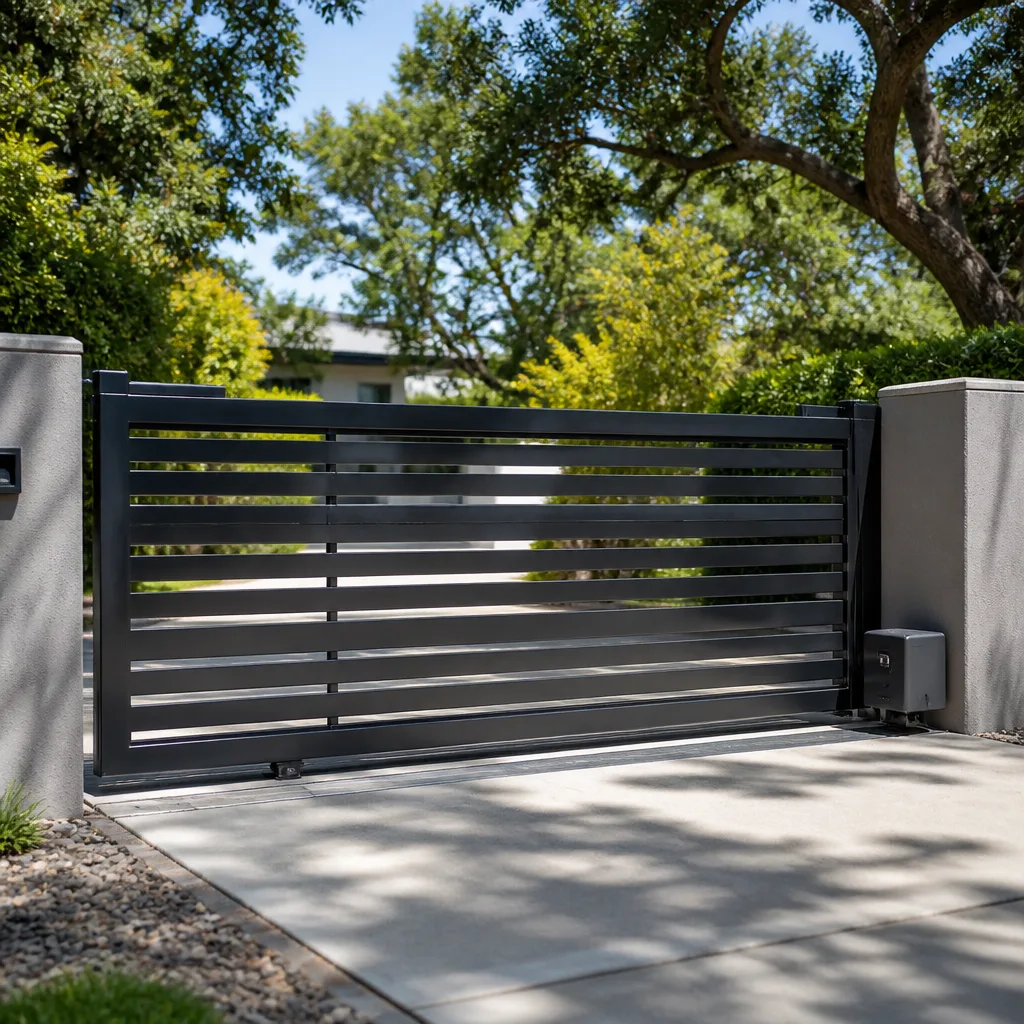 Sliding driveway gates
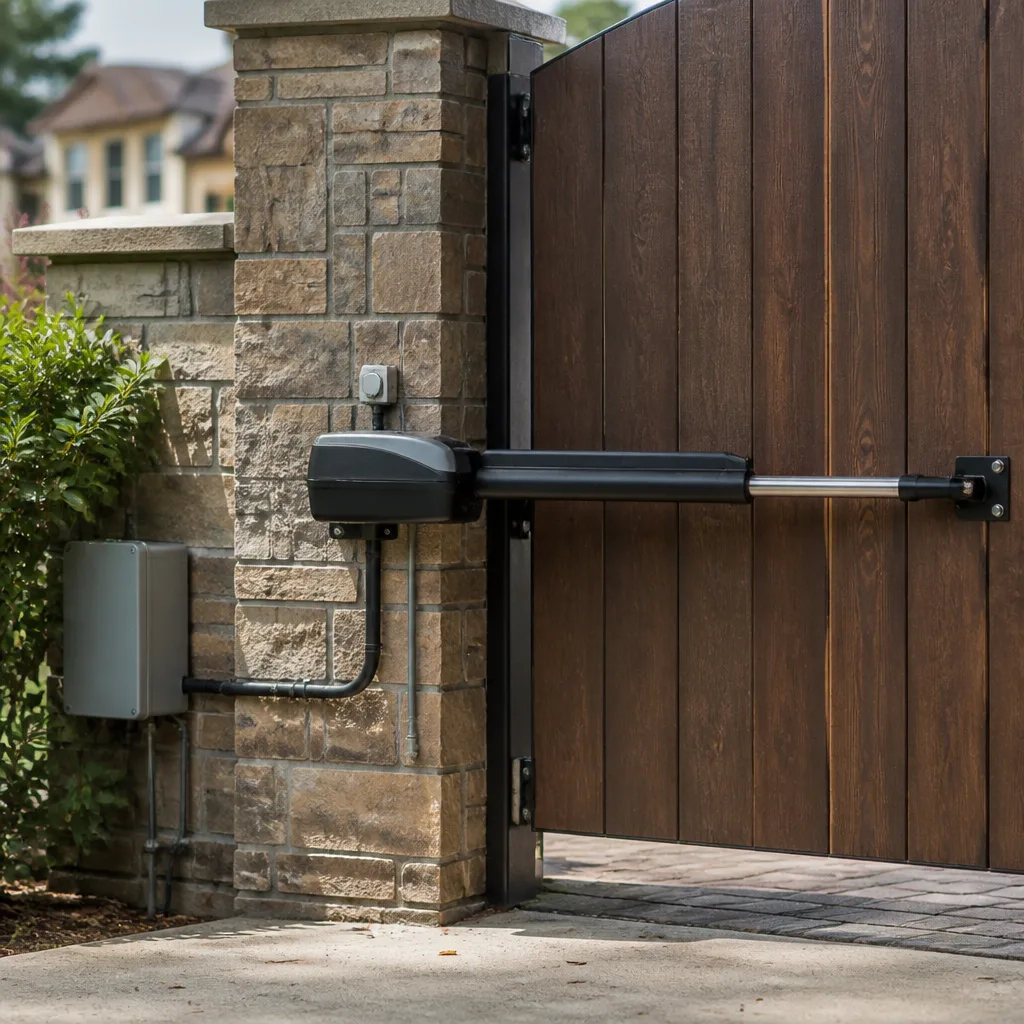 LiftMaster operators
Free on-site gate assessment - hinges, posts, and your LiftMaster or Nice gate operator checked before anything is quoted
The assessment is free and the quote is the invoice.
Get your free estimateGate Repair Maintenance Checklist for Sellwood Homeowners
Lubricating a gate operator with WD-40 is one of the fastest ways to destroy its gear assembly, yet it’s the first thing most homeowners reach for when a gate starts to drag or squeal. That single habit tells you something important: most gate maintenance advice floating around online was written for a national audience, not for a property in Sellwood. The problems your gate actually develops here come from wet winters, dry summers, and the specific operators installed on this side of the Willamette. This checklist covers what to inspect, what to lubricate with what, how to test your battery backup, and when a season of small adjustments turns into a call to a specialist.
Quick Answer
A working maintenance routine for a Sellwood gate covers five things: the right lubricant on the right component (never WD-40 on an operator), a post plumb check to catch drift before it eats the operator, a battery backup test twice a year, a seasonal adjustment tied to Portland’s wet-dry cycle, and a visual pass over welds and frame joints. Most of it takes under an hour and the payoff is fewer motor replacements and fewer gate repairs overall.
Styles & brands we work with
- Wrought iron
- Wood & steel frame
- Farm & ranch
- Sliding driveway gates
- LiftMaster operators
Table of Contents
- Lubricant by Component: What Goes Where
- The Post Plumb Check for Sellwood Properties
- Battery Backup Testing for Solar and AC Operators
- Seasonal Adjustment Calendar for the Portland Metro
- Inspecting Welds and Frame Joints
- Gate Safety Features to Check Every Season
- Common Mistakes to Avoid
- When to Call a Professional
Lubricant by Component: What Goes Where
Most gate wear comes down to using one can of spray on everything. Each component on a gate has a different job, and the lubricant has to match the job. Get this wrong and you’ll either attract grit into a chain or strip the grease out of an operator gearbox.
Here’s the breakdown we use on every gate we work on:
- Hinges and pivot points: A penetrating lubricant, then a light grease. These joints take weight and swing thousands of times a year, so they need a film that stays put.
- Rollers and guide wheels: A dry or silicone-based lubricant. Heavy grease on a roller gathers grit and turns the roller into a grinding wheel.
- Operator chain: Chain-specific lubricant, applied sparingly. Too much attracts the grit that wears the sprocket.
- Rack-and-pinion drive: A light grease brushed onto the rack teeth to protect them from water and friction. Never fill the tooth gully, just coat the surfaces that mesh.
- Operator gearbox: Never touch it unless the manufacturer says to. It’s factory-sealed and topped up; opening it or adding anything risks losing the correct grade.
- What never goes near an operator or hinge: WD-40 as a long-term lubricant, and any aerosol aimed at the gearbox or motor housing. WD-40 is a solvent and displaces grease over time. On a Mighty Mule or a Viking arm, that strips protection right when the operator needs it most.
Sellwood’s wet-winter cycle makes this more urgent than it is in drier parts of the metro. Rain washes off light lubricants faster, and by June the components you skipped in March are the ones making noise. A quick pass before and after the wet season covers you.
The Post Plumb Check for Sellwood Properties
A leaning post is the most under-diagnosed cause of gate operator failure we see. When a post drifts, the gate no longer swings true, and the operator works against resistance it was never designed for. That resistance overheats the motor, wears the gears, and can eventually damage the operator’s control board.
Here’s the protocol. It takes about ten minutes and only needs a level or a plumb line.
- Place a spirit level vertically against the gate post on the hinge side, first facing the driveway and then facing along the driveway.
- Check the bubble. Any visible tilt is drift.
- Measure the gap between the post and the gate frame at the top hinge and the bottom hinge. Compare the two. A gap that has widened at the top means the post has moved.
- Walk the gate through its full swing by hand (with the operator disengaged). If the gate scrapes, binds, or needs force to complete the arc in a spot it used to float through, the geometry has shifted.
- Look at the hinge bolts. If the gate has dropped on the hinge plate, that’s a secondary clue.
Drift becomes an operator-killer once the resistance crosses the operator’s built-in safety threshold. On most modern systems, including a Linear or DoorKing unit, the operator is set to detect torque and either reverse or stop. If that safety limit keeps tripping, the gate is doing the telling before the operator burns out. Any drift on the hinge post should be looked at by someone who sets posts to proper footing depth. Sellwood’s clay heavy soil and the winter water table make footing work a specialist job, not a weekend project.
Battery Backup Testing for Solar and AC Operators
Battery backup is the feature homeowners forget until the day the power fails and the gate stays shut with the car inside. Solar-powered operators are common in Sellwood’s sunnier back lots and on properties with long driveway runs where running power is a stretch. AC-powered systems with backup batteries are also everywhere. Either way, the test is the same and should happen twice a year.
Here’s the test procedure:
- With the gate closed, locate the operator’s main power disconnect or breaker for the circuit.
- Switch power off at the source, not from the remote.
- Send a command from the keypad or remote. The gate should operate normally on battery.
- Run the gate through at least two full cycles. A healthy battery handles it without slowing down or stalling.
- Restore power and confirm the operator returns to normal.
- If the gate moves slowly, stalls partway, or won’t move at all on battery, the battery or its charging circuit needs attention.
For solar systems, also check the panel. A panel shaded by a year of leaf fall or dust can’t keep the battery charged, and Portland’s low winter sun angles make that worse. Solar operators from Ghost Controls and similar brands usually show a battery status indicator, which is worth a glance once a month between full tests. Don’t skip the restore step; if you leave the main breaker off, the next person to open the gate won’t know why it’s behaving differently.
Seasonal Adjustment Calendar for the Portland Metro
Generic four-season templates were written for places with four distinct seasons. Sellwood and the wider Portland metro really have two: a long wet stretch from late fall through spring, and a dry stretch through summer. Your maintenance should follow that arc, not a calendar written for the Midwest.
- Early spring (roughly late March): Post-wet-season inspection. Look for rust blooms, water damage at the post base, and moss or debris in the travel path. Lubricate hinges and clean the operator chain.
- Late spring (roughly May): Full adjustment pass. Check post plumb, run a battery test, test safety sensors and photobeams, and clear the drain path around the gate where standing water pools.
- Summer (July to August): Dry checks. Dust and pollen build up on rack-and-pinion teeth and can jam the drive. Grease the rack lightly and blow out the operator vents. Heat also stresses batteries, so recheck battery voltage in the hottest month.
- Early fall (late September): Pre-wet-season prep. Check hinges for play, tighten fasteners, and clear fallen leaves and fir needles from the track and operator housing. This is the pass that saves the most grief.
- Late fall (November): Run the full cycle of checks one more time before the rain locks in. Confirm the gate opens freely. A bind you caught in November is a repair in February otherwise.
Sellwood’s tree canopy makes the fall pass more important than it is elsewhere in the metro. Fir needles pack into the rack teeth and the track and hold moisture, which accelerates wear. Two fall passes keep the whole mechanism cleaner through the wet months.
Inspecting Welds and Frame Joints
Manufacturer documentation rarely covers this half of the inspection, but the frame is where fail begins on most ornamental gates. Wrought iron and aluminum frames take stress at every weld, and the joints at the top and bottom of the pickets and the frame are the first place you’ll spot a problem.
Here’s the visual pass:
- Run a flashlight along the inside of the frame where it meets each picket. Look for thin lines in the paint or powder coat right at the weld. That’s the first sign a weld is starting to pull.
- Look at the corners where the top rail and stile meet. Cracks radiate out from there first.
- Press a finger against the frame near each joint to check for movement. The whole gate shouldn’t flex more than a hair when it does, so any springiness at a joint is worth noting.
- Watch for rust rings around weld points, especially on wrought iron. Rust starts where the weld heat has thinned the coating.
- Trace the bottom rail. Water sits there longer than anywhere else on the gate, and if it’s drilled with drain holes, confirm they aren’t plugged.
A hairline crack rarely fails overnight. But a weld that lets go while the gate is in motion can throw hundreds of pounds of steel, so this is a check worth taking seriously. If you can see daylight through a weld, stop operating the gate and have it looked at.
Gate Safety Features to Check Every Season
Safety devices are the part of a gate system that quietly ages into failure. Test them at the same two times a year you test the battery.
On a sliding gate, walk along the track and clear every obstruction from the path. Then trigger the photobeam safety edge and confirm the gate reverses. On a swing gate, run the same test with the operator’s built-in obstruction detection by pushing gently against the gate as it swings. If it doesn’t reverse or stop, that needs a professional. Also check that any keypad or intercom on the property is calling the right number and that the wiring to the operator is intact. Wiring and power for an operator is genuinely dangerous to touch; an electric shock from a main line or a control panel is not a DIY risk. Check that the devices respond and that the wiring looks intact, then hand any fault to someone trained to work on it safely.
If your home has young children or pets, this test matters more than the rest. Confirm the safety edge operates and that the gate doesn’t skip its check. Making this pass part of your seasonal routine, rather than something you “mean to do,” is what keeps an automatic gate safe to live with. Our technicians have up to 10 years of experience testing and adjusting these systems and we do it as part of every gate repair visit.
Common Mistakes to Avoid
- Spraying WD-40 on the operator. It’s the most common mistake we see on a Sellwood gate. WD-40 strips the factory grease out of the gear assembly and accelerates wear in a way you can’t undo when it happens.
- Skipping the post check. Most homeowners only look at the gate. When a post drifts, the operator is condemned for a fault that belongs to the footing. Fix the geometry first.
- Not clearing debris from the track. Sellwood’s tree canopy means leaves and needles pack the track and rack teeth faster than in most Portland neighborhoods. Standing debris holds water and grinds the drive.
- Using the wrong lubricant on rollers. Grease on a roller gathers grit and turns it into a grinding wheel. Dry or silicone lubricant is correct for rollers, full stop.
- Ignoring the battery backup until it fails. A battery is a consumable, not a permanent fixture. Test it twice a year so you know before a power cut does.
- Over-tightening hinge bolts. Snug is right, cranked is wrong. Bolts that get over-tightened distort the hinge plate and cause the gate to bind silently.
- Running a gate with a visible weld crack. It’s not a cosmetic issue. A frame joint can let go under the operator’s force, and that’s a safety problem, not a repair to schedule later.
When to Call a Professional
Call a professional when the gate binds or reverses without a clear cause, when the post has drifted and the gate no longer swings true, when a battery test fails after a full charge cycle, when any safety device doesn’t respond, or when you can see movement at a weld or frame joint. Also call if the gate runs on a brand you don’t recognize the failure patterns for, because these systems are brand- and model-specific – that’s exactly what we train for. A generalist fence or garage-door company will troubleshoot by guesswork. A gate specialist recognizes the failure modes that come up most on LiftMaster, FAAC, and other common systems.
Gate Repair Sellwood offers free estimates in Sellwood. Call (866) 947-9019. We answer 24/7. Fast dispatch from 7am to 7pm, Sunday through Friday. Most of the checks in this guide are things you can do yourself, but the moment a repair needs a part replaced or an operator adjusted, that’s when we step in. Same-day service is often available when a gate stops working and you’re stuck.
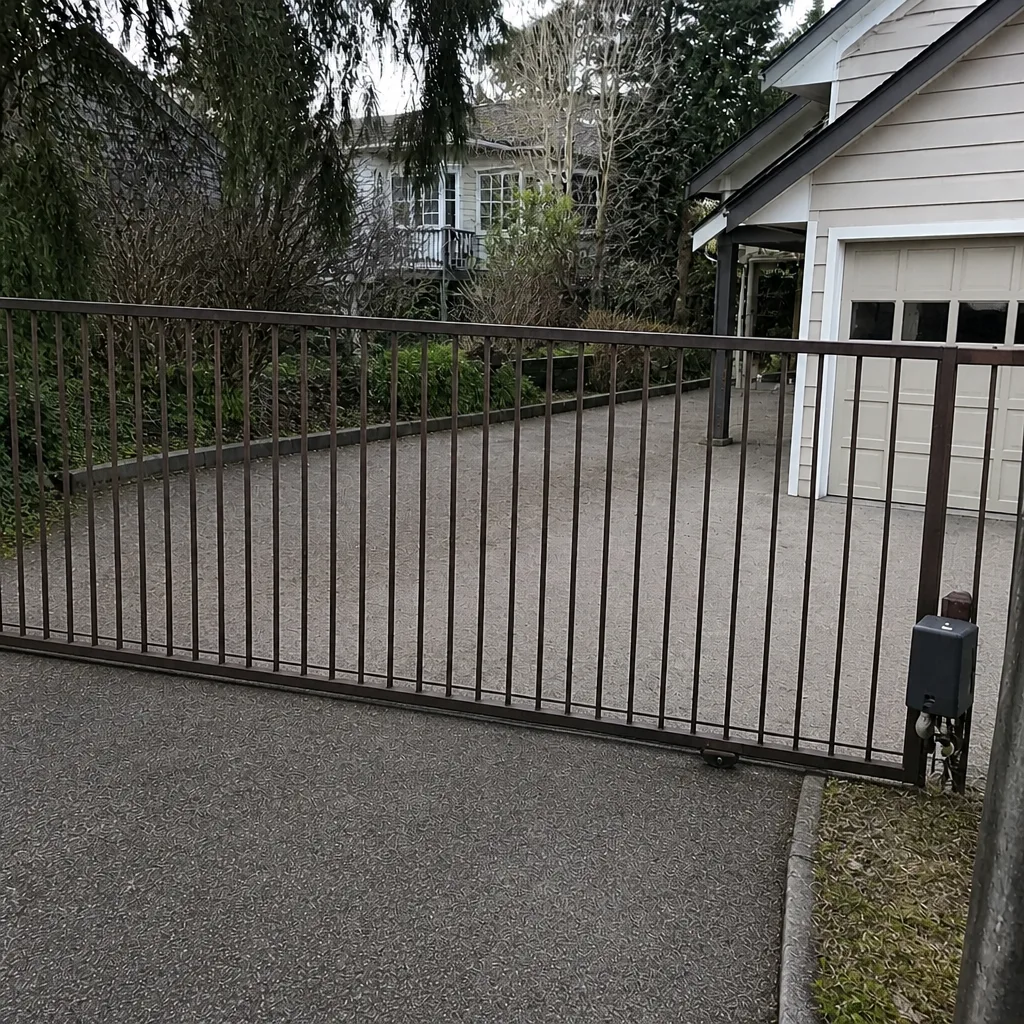
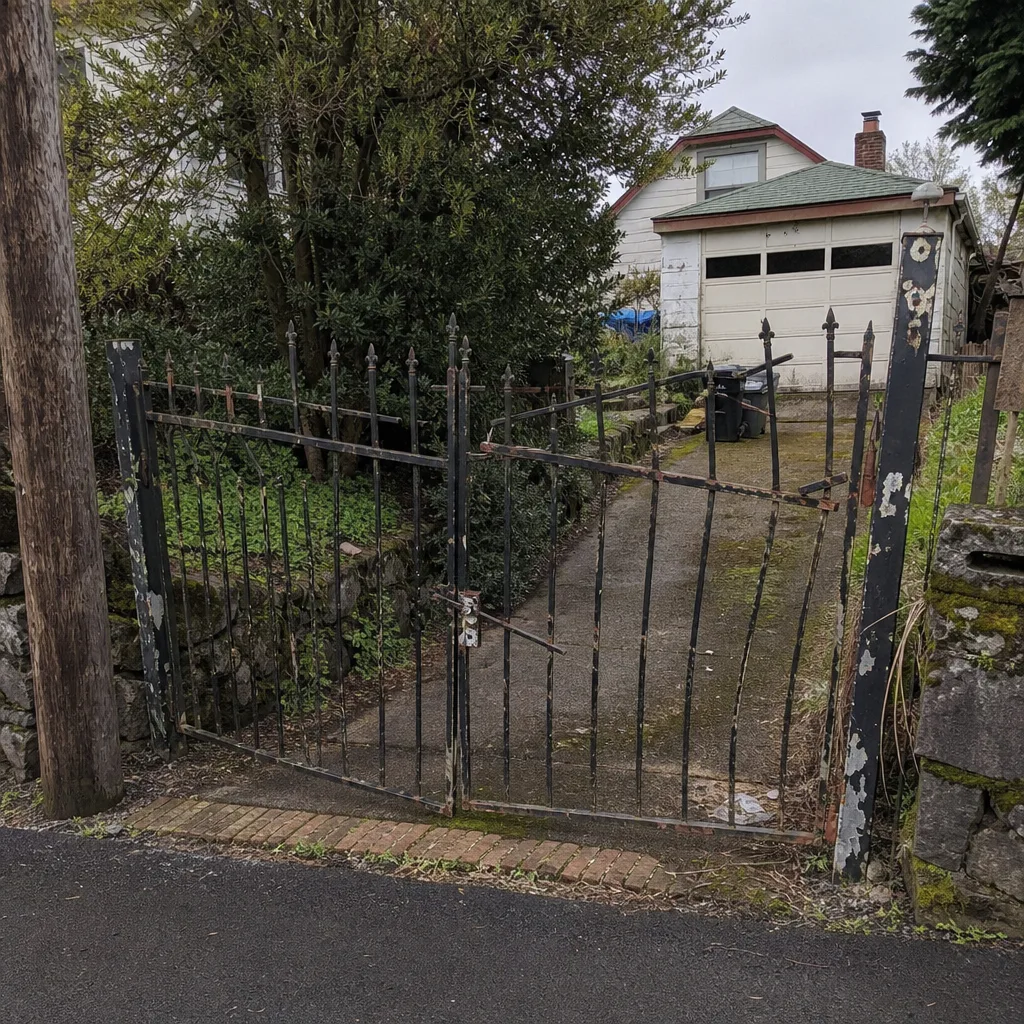
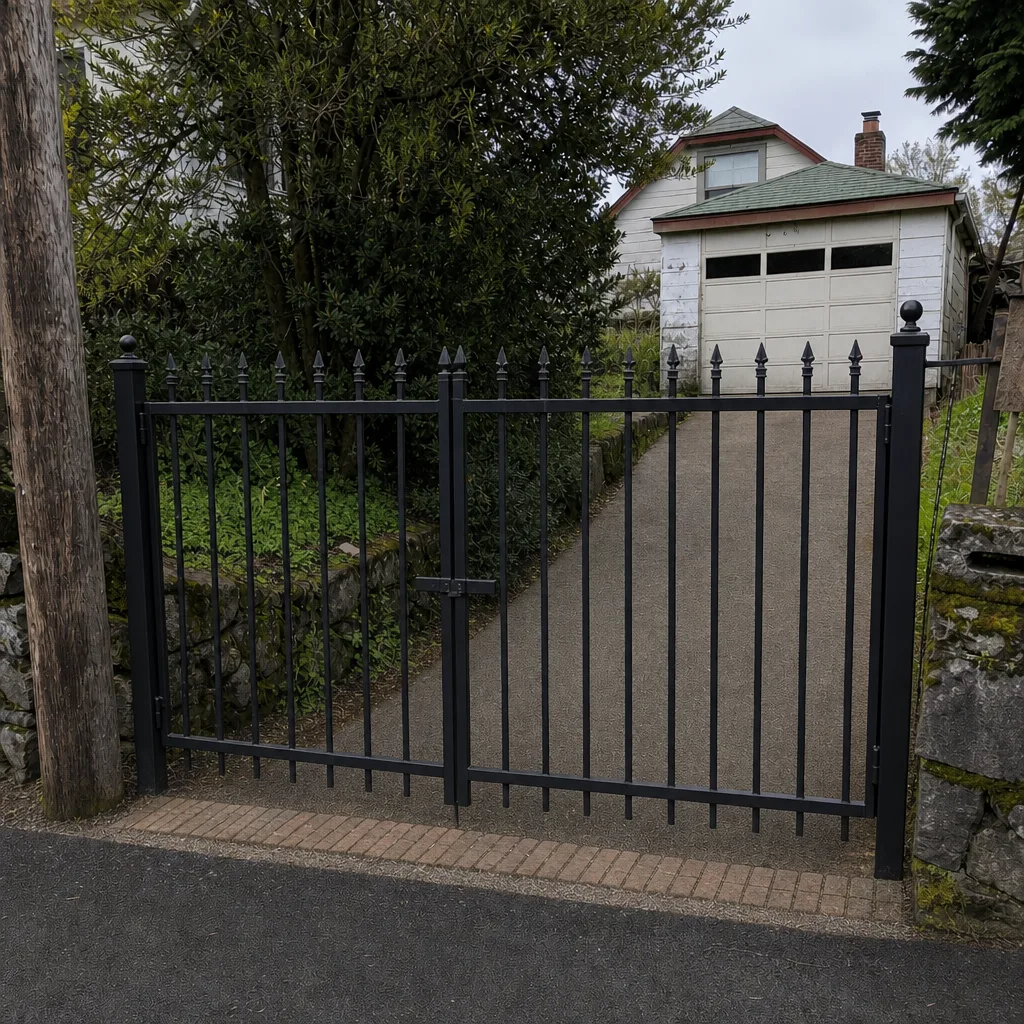
See the difference
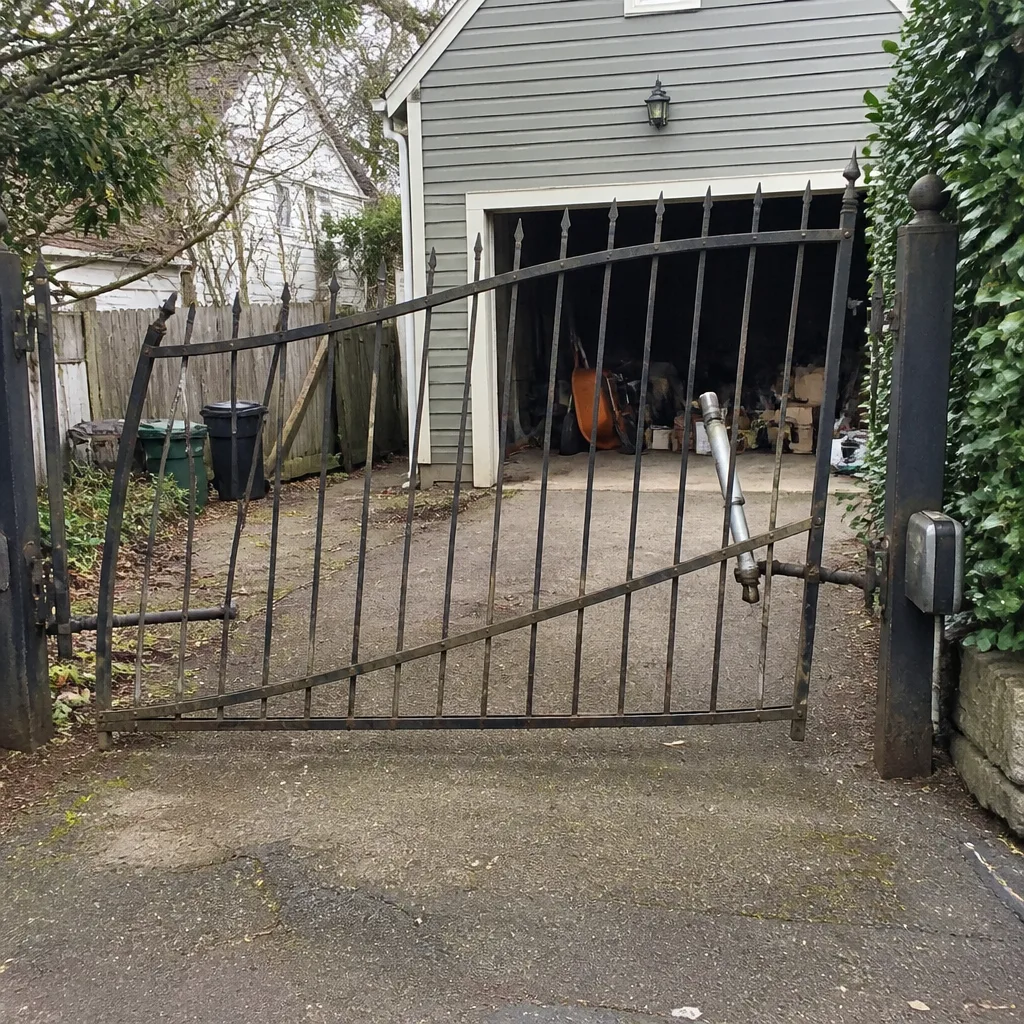 Before
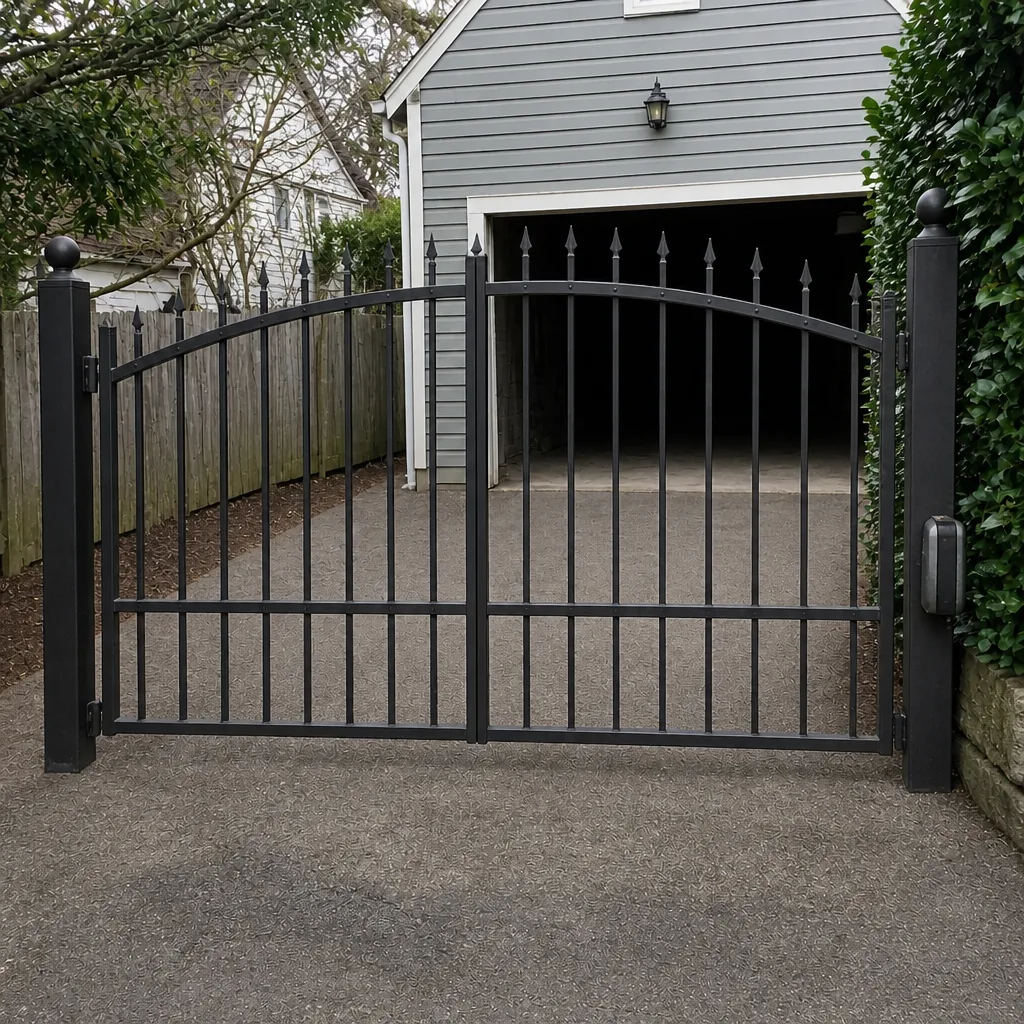 After
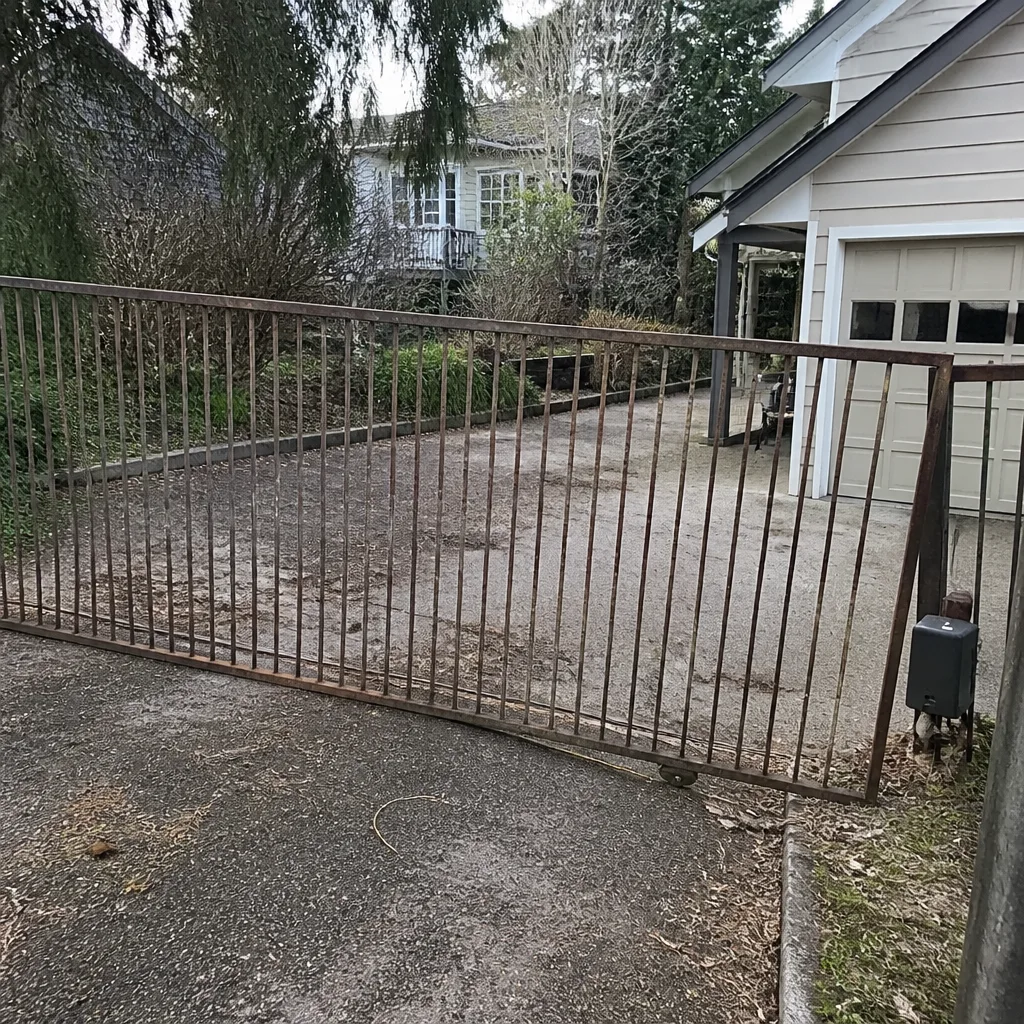 Before
 After
 Before
 After
Frequently Asked Questions
Do a quick visual and lubricant pass twice a year, once before the wet season in fall and once after in spring, plus a battery backup test at each pass. Portland’s two-season climate means these two windows catch the drift before it becomes a repair. Add a mid-summer rack-and-pinion clean if you have a lot of tree cover over the gate. Call (866) 947-9019 for a free estimate if anything looks off.
Use the manufacturer’s specified lubricant for the operator chain and rack-and-pinion drive, and never use WD-40 as a long-term lubricant on any part of the operator. A light grease goes on the rack teeth; the gearbox is factory-sealed and shouldn’t be opened. Hinges get a penetrating lubricant then a light grease, and rollers get a dry or silicone lubricant so they don’t collect grit.
No, not safely. Setting a gate post to proper footing depth requires digging out the old footing, aligning the new post, and getting the plumb right to within a fraction of an inch. A post that’s off kills the operator. In Sellwood’s clay-heavy soil that work is best done by someone with the right tools and knowledge of footing depth. Call (866) 947-9019 for a free estimate on post work.
It might be. Most operators with battery backup should still move a few cycles after mains power drops. If the gate won’t move, check the battery first. If your operator runs on solar, check the panel for shading or soiling. A Ghost Controls or Linear operator with battery backup should still respond to the remote – if it doesn’t, the battery or charger needs a look.
Partial opening usually means the operator is hitting its built-in safety torque limit. That’s a signal that something is binding: a drifted post, debris in the track, or a failed hinge. Don’t keep forcing it, since that’s how operators burn out. Have a specialist look at it; an on-site estimate is free. Call (866) 947-9019 to book one.
We service nine major gate automation brands, from residential-friendly Mighty Mule and Ghost Controls to commercial-grade FAAC, BFT, and DoorKing, plus LiftMaster, Linear, Viking, and Elite. That range means we can diagnose almost any gate operator on a Sellwood property without sending you to a dealer. If your gate runs on one of those systems, we know it cold; from the hinge to the keypad, one team handles it all.
The Bottom Line
The five checks that save you the most on a Sellwood gate are the right lubricant on the right component, a post plumb check every spring, a battery backup test twice a year, an adjustment calendar that follows the Portland wet-dry cycle, and a visual pass over welds and frame joints. None of them take long, and together they head off the failures that cost the most: motors, gearboxes, and post replacement. Keep the checklist, run it before and after the wet season, and call a gate specialist the moment the gate binds, reverses on its own, or shows movement at a weld. For that, we’re here: Gate Repair Sellwood covers the full range of gate work from gate installation to gate motor & opener service and access control, with free estimates across Sellwood and the surrounding Portland neighborhoods.
Call (866) 947-9019 for a free estimate. We answer 24/7. Fast dispatch from 7am to 7pm, Sunday through Friday.
Written by the team at Gate Repair Sellwood.