
Last updated November 25, 2026
 Wood & steel frame
 Wrought iron
 Farm & ranch
 Sliding driveway gates
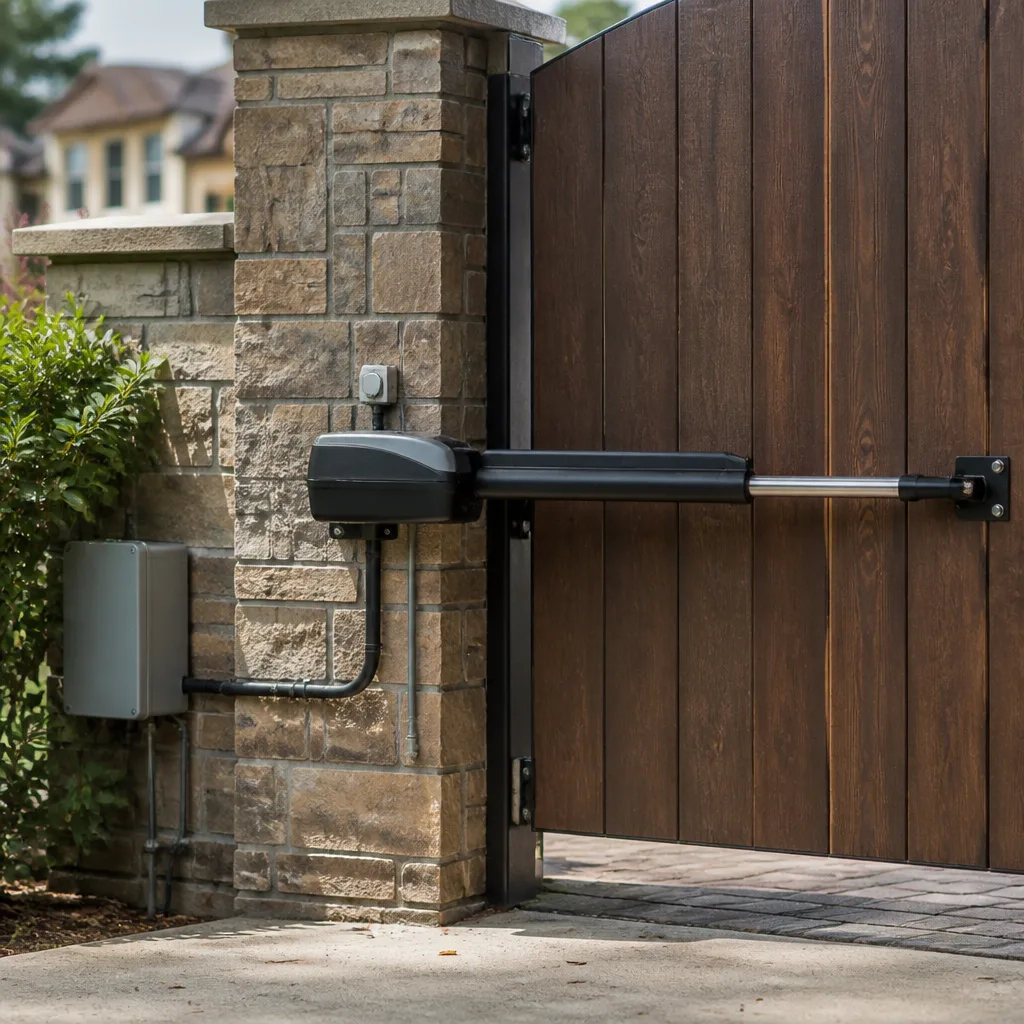 LiftMaster operators
Free on-site gate assessment - hinges, posts, and your LiftMaster or Nice gate operator checked before anything is quoted
The assessment is free and the quote is the invoice.
Get your free estimateSeasonal Gate Repair Care for Sellwood: Year-Round Homeowner’s Guide
Most gate care advice assumes four balanced seasons. Sellwood doesn’t get that. What we actually get is a long wet stretch that runs from October into spring, a short freeze window that does quiet damage to batteries and wood, and a dry summer that shrinks joints and throws automated systems out of alignment. Treating those three stressors as equal calendar quarters is how gates fail early. This guide sequences your year around what Sellwood weather actually does to hinges, posts, operators, and control boards, so you can plan maintenance around real conditions instead of a generic spring-and-fall checklist.
Quick Answer
Gate care in Sellwood works best on a stressor-based schedule, not a calendar one: protect hinge fasteners and control boards before the wet season, check batteries and post plumb during the freeze window, re-tension and realign in spring, and watch for heat expansion and limit-switch drift in summer. The single highest-value habit is a pre-wet-season inspection in early fall, because most operator failures trace back to moisture and thermal cycling that a few hours of prevention would have caught.
Styles & brands we work with
- Wrought iron
- Wood & steel frame
- Farm & ranch
- Sliding driveway gates
- LiftMaster operators
Table of Contents
- Why Sellwood’s Seasons Break the Standard Gate Care Calendar
- Fall Prep: Corrosion Protection Before the Wet Season
- Winter: Batteries, Freeze Cycles, and Swelling Wood
- Spring Inspection: Post Plumb and Spring Re-Tensioning
- Summer: Heat Expansion and Limit Switch Drift
- Storm Damage Protocol: What to Check and In What Order
- Brand-Specific Failure Patterns We Watch For
- Your Year at a Glance
Why Sellwood’s Seasons Break the Standard Gate Care Calendar
Sellwood sits in a climate with a long, mild, wet season and a short, sharp freeze window, and that combination stresses gate hardware differently than a place with a hard winter or a dry year. The wet season doesn’t just make things damp. It drives repeated wet-to-dry thermal cycling, and that cycling fatigues solder joints on control boards, swells wood gate frames, and works its way into hinge fasteners. The freeze window is brief but cold enough to hit battery performance and expand trapped moisture in cracks. Summer is dry enough to contract joints and pull automated gates out of alignment.
That means a gate in Sellwood faces three distinct maintenance problems across the year, not one continuous one. A gate that gets a single spring tune-up and nothing else will usually develop its first real fault in the wet season, months after the last time anyone looked at it. Sequencing care around the actual stressors is what keeps a residential driveway gate or a multi-unit entry system running through the year without surprise breakdowns.
We specialize exclusively in gates, so we see these patterns repeat across the Sellwood area rather than guessing at them. The sections below break the year into the four maintenance windows that matter here, plus a storm protocol for the wind events that push through the Willamette Valley.
Fall Prep: Corrosion Protection Before the Wet Season
The most important gate maintenance task in Sellwood happens before the rain settles in, not after you spot rust. Once the wet season is underway, corrosion protection is repair work. Done in early fall, it’s prevention. This is the window to get ahead of the hinges, fasteners, and control enclosures that take the most abuse over the coming months.
Here’s the order we work through on a fall inspection:
- Inspect every hinge fastener and pivot point for early corrosion, then apply a corrosion inhibitor to threads and moving surfaces before the wet season rather than waiting for rust to appear.
- Check control board enclosures and weather seals for gaps, cracked gaskets, or loose covers that let moisture reach the electronics.
- Clear gate tracks on slide gates and check the rollers for debris that will trap water and accelerate wear.
- Test the operator through a full open-and-close cycle and note any hesitation, which often signals a board or motor issue before it becomes a failure.
- Confirm the manual release works. If the power drops in a storm, you’ll need it, and a stiff release is a problem you want to find now.
Corrosion on a gate hinge is easy to ignore until it seizes, and a seized hinge loads the operator motor every time the gate moves. Catching it in fall costs a fraction of what a motor replacement costs later. If your gate runs on a system like Mighty Mule or Ghost Controls, the fall inspection is also the right time to check the battery and solar connections, since those systems depend on a healthy charge heading into the low-light months.
Winter: Batteries, Freeze Cycles, and Swelling Wood
Winter in Sellwood is short but cold enough to matter, and the two things it hits hardest are batteries and wood. Battery performance drops as temperatures fall, and a solar-backed gate system that ran fine all summer can start stalling or failing to open in the freeze window if the battery isn’t holding a charge. A trickle charger or a battery check before the cold arrives is the difference between a gate that runs all winter and one that quits on the coldest morning.
Wood gates swell in the wet season, and swelling binds hinges, changes the gate’s swing, and puts strain on the operator. A wood gate that drags in winter isn’t necessarily out of adjustment. It may just be wet. Don’t crank the hinges or the operator to compensate for swelling that will reverse in spring, because you’ll overcorrect and misalign the gate once the wood dries out. If a wood gate is binding badly enough that the operator strains, that’s worth a professional look rather than an adjustment you’ll have to undo.
Freeze cycles also expand moisture trapped in cracks and small gaps, which is why a hairline crack in a control enclosure or a loose fastener can widen over winter. On automated systems, watch for:
- Slower gate travel or stalling on cold mornings, which often points to battery or motor strain.
- A gate that opens partway and reverses, which can signal a limit or sensor issue aggravated by temperature.
- Dragging or binding on wood gates, which is usually swelling and not a mechanical fault.
If your gate stops working in the cold, call us. We answer 24/7, and a call outside dispatch hours gets booked into the next opening. Our gate repair work covers battery, motor, and control board issues on the systems that fail most in winter.
Spring Inspection: Post Plumb and Spring Re-Tensioning
Spring is when the ground thaws and settles, and in Sellwood that means post plumb is the first thing to check. Soil heave over the wet season can shift a gate post slightly, and a post that’s even a little out of plumb throws off the entire gate’s alignment. On an automated gate, a misaligned post means the operator works harder, the gate may drag or bind, and limit switches drift out of position. Checking plumb first, before adjusting anything else, saves you from chasing an alignment problem that’s really a post problem.
Spring is also when spring-assisted swing gates need re-tensioning. Cold contraction over winter can leave the springs looser than they should be, and a gate that felt heavy all winter may just need the tension restored. Here’s the spring sequence:
- Check post plumb on both gate posts and the hinge-side post in particular.
- Re-tension spring-assisted swing gates after cold contraction, following the manufacturer’s spec rather than guessing at tension.
- Inspect hinges and pivots for wear that the wet season accelerated.
- Test the operator and confirm limit positions haven’t drifted over the winter.
- Clear any debris that washed into tracks or accumulated around the base of posts.
Re-tensioning a spring-assisted gate is a job we’d rather do for you than walk you through, because a spring under tension can release suddenly and cause serious injury. A trained technician has the tools and the judgment to set tension safely. If you’re not sure your gate needs it, an on-site estimate will tell you. That’s the same approach we take on gate motor & opener service: diagnose before adjusting.
Summer: Heat Expansion and Limit Switch Drift
Summer is dry in Sellwood, and dry heat does two things to a gate system: it expands metal frames and it drifts limit switches on operators in direct sun. An aluminum gate frame that fit perfectly in spring can expand enough in summer heat to bind at the hinges or change how the gate latches. Automated gates exposed to direct sun often see limit switches drift, because the operator’s travel positions shift slightly with temperature and the gate starts opening too far or not quite far enough.
The summer checklist is shorter than fall and spring, but it matters:
- Check aluminum frames for binding at hinges and latches as they expand in heat.
- Watch for a gate that stops short of fully open or reverses before closing, which usually means limit switch drift.
- Check that control enclosures aren’t in direct sun if they can be shaded, since heat stresses electronics and batteries.
- Confirm the gate still latches and locks properly after expansion shifts the alignment.
Limit switch drift is one of the most common summer complaints on automated gates, and it’s usually a quick adjustment for a technician. The bigger worry is leaving it, because a gate that over-travels puts strain on the operator and the hinges every cycle. If your gate is out of rhythm in the heat, an adjustment now prevents a motor or hinge repair later. For systems like Elite or DoorKing that run access control and travel limits together, the adjustment is tied to the access system too, which is exactly the kind of interconnected work a gate-only specialist handles in one visit.
Storm Damage Protocol: What to Check and In What Order
After a wind event, the order you check things in matters as much as what you check. The instinct is to walk out and hit the remote. Don’t. A gate that’s been hit by wind or debris can have a bent hinge, a shifted post, or a damaged operator, and operating it before you’ve checked can turn a repairable problem into a bigger one. Here’s the order we use:
- Before operating anything, walk the gate and look for visible damage: bent hinges, shifted posts, debris in the track, and a gate that’s sitting crooked.
- Check the posts for movement or leaning, since wind can shift a post and throw the gate out of plumb.
- Look at the operator and control enclosure for damage, loose covers, or water intrusion.
- Test the manual release by hand to confirm the gate moves freely before you power it.
- Only then test the operator, and stop if you hear straining or the gate binds.
Wind damage is often more than it looks. A gate that seems fine can have a hinge that took a hit or a post that moved a fraction of an inch, and that shows up as binding or operator strain a few cycles later. If anything looks off after a storm, that’s the time to get it looked at. We offer free estimates in Sellwood, so a post-storm check doesn’t cost you anything to find out. Call (866) 947-9019. We answer 24/7. Fast dispatch from 7am to 7pm, Sunday through Friday.
Brand-Specific Failure Patterns We Watch For
Most gate problems are brand- and model-specific, and knowing the failure patterns shortens diagnosis. We’re certified to service nine major gate automation brands, from residential-friendly Mighty Mule and Ghost Controls to commercial-grade FAAC, BFT, and DoorKing. That range means we don’t send you to a dealer when your system acts up, and we don’t troubleshoot by guesswork.
The patterns we see most across the Sellwood area:
- Solar-backed residential systems like Mighty Mule and Ghost Controls: battery and charge issues surface first in the low-light wet season, so fall and winter battery checks prevent most winter stalls.
- FAAC and BFT commercial-grade operators: control board fatigue from wet-to-dry thermal cycling is the failure we watch for, and a fall enclosure check is the best prevention.
- DoorKing, Linear, and Elite access control systems: problems often surface in the integration between the gate operator and the keypad, intercom, or loop detector, so a diagnosis has to cover both the mechanical gate and the access electronics.
- LiftMaster and Viking systems: limit switch drift and hinge wear show up in the seasonal temperature swings and respond well to spring and summer adjustments.
That brand knowledge is the reason our fall and spring checks catch things early. A generalist who treats gates as an add-on may not recognize which failure a given system is prone to, and you end up paying for the diagnostic time it takes to figure it out. If you’re planning a system upgrade, the same brand range applies to gate installation, and we’ll match the system to your gate and your access needs rather than defaulting to one brand.
Your Year at a Glance
Here’s the schedule that actually matches Sellwood’s weather, condensed so you can plan around it:
- Early fall (before the wet season): corrosion inhibitor on hinge fasteners and pivots, control enclosure and seal check, battery and solar check, full open-and-close test, manual release test.
- Winter (freeze window): watch for slow or stalling travel, keep batteries charged, don’t overcorrect wood gate swelling, and get professional help if the operator strains.
- Spring (post-thaw): check post plumb, re-tension spring-assisted swing gates, inspect hinges and pivots, recheck limit positions.
- Summer (dry heat): watch for aluminum frame binding, limit switch drift, and electronics in direct sun.
- After any wind event: walk and inspect before operating, check posts and operator, test manual release, then power it.
Five windows, not four. The fall window is the one to prioritize, because it’s the gate between the wet season and everything that follows.
Common Mistakes to Avoid
- Waiting for rust before applying corrosion protection. In Sellwood, the wet season is the wrong time to start protecting hinges. Apply inhibitor in early fall, before the rain arrives, or you’re doing repair work instead of prevention.
- Adjusting a swollen wood gate in winter. Winter swelling reverses in spring, so cranking hinges or operator positions to stop winter binding leaves the gate overcorrected once the wood dries. Fix the binding, not the swelling.
- Operating an automated gate right after a storm without inspecting it. A bent hinge or shifted post gets worse every cycle. Walk the gate, check the posts, and test the manual release before you hit the remote.
- Ignoring battery health on a solar-backed system. Fall and winter kill charge, and a battery that’s failing shows up as a stall on the coldest morning. Check it before the cold, not after.
- Chasing limit switch drift with the operator instead of checking the post first. A misaligned post looks like a limit problem, and adjusting the operator to compensate hides the real cause. Check plumb first.
- Letting a generalist troubleshoot a brand-specific fault. Gates fail in patterns specific to the brand and model. A fence or garage-door company may not recognize your system’s known failure and ends up on your dime figuring it out.
- Skipping the manual release test. If the power goes out and the release is stiff or seized, you can’t move the gate by hand when you need to. Test it in fall, and know it works before you need it.
See the difference
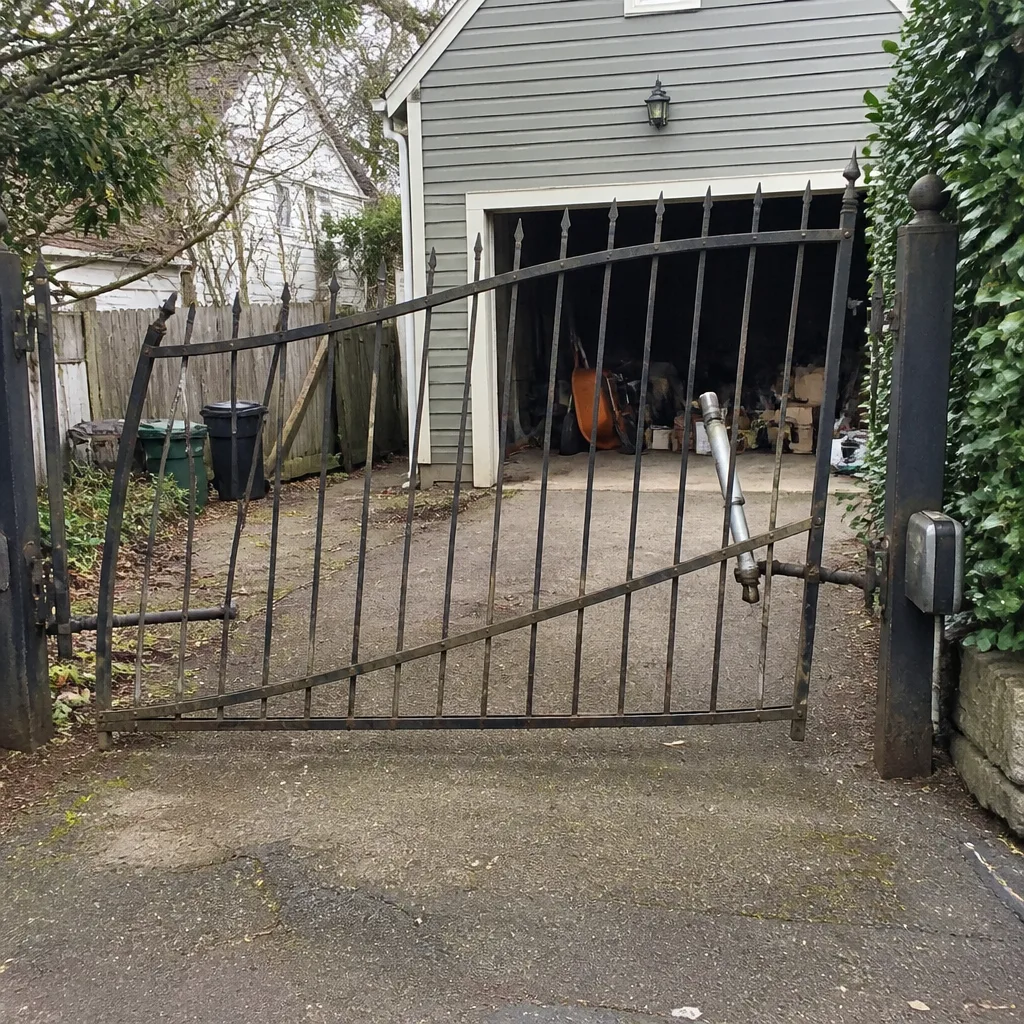 Before
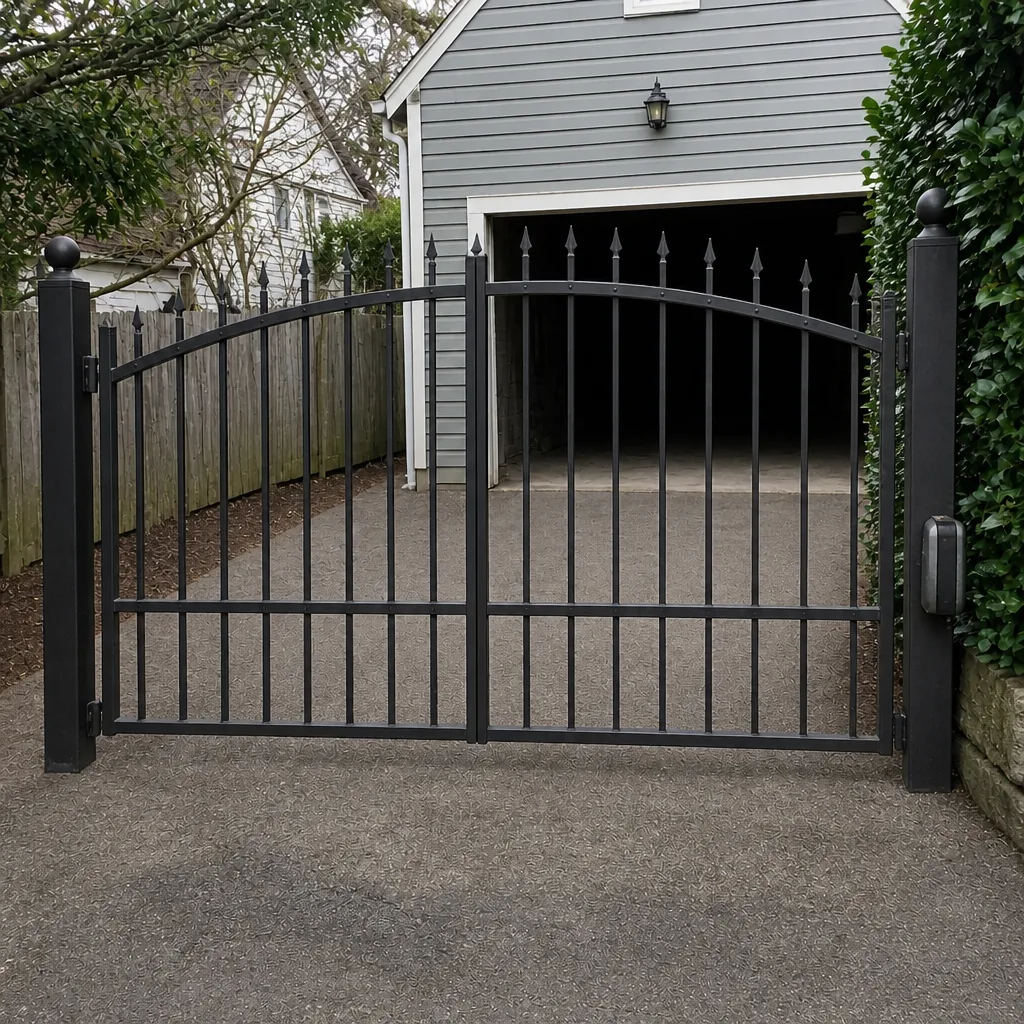 After
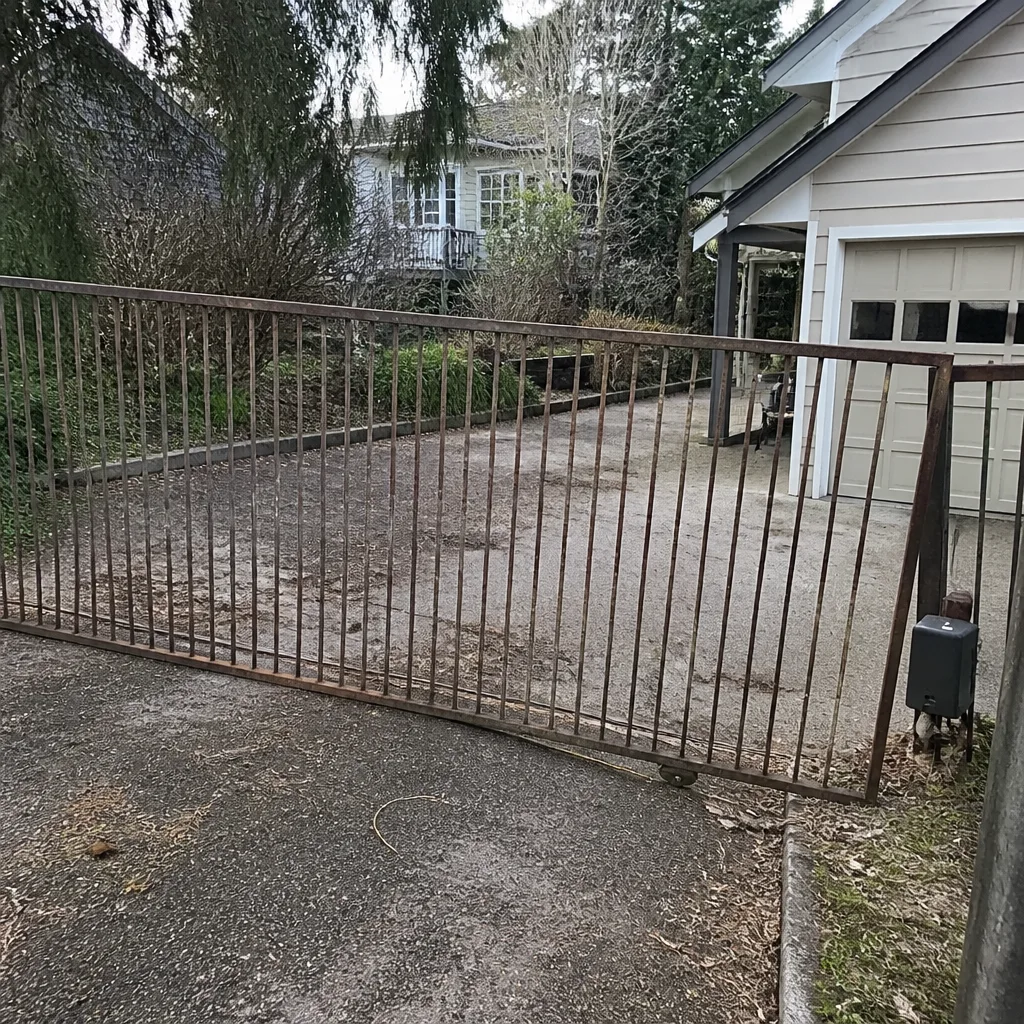 Before
 After
 Before
 After
When to Call a Professional
Some seasonal checks are homeowner work: walking the gate, clearing debris, watching for slow travel, and noting when something sounds different. Others call for a specialist. Get a professional involved when an automated gate stalls, reverses, or binds; when a spring-assisted gate needs re-tensioning (springs under tension can release suddenly and cause serious injury); when a post is out of plumb or has moved; when an access control system, keypad, or loop detector acts up; and after any storm where the gate looks or sounds wrong. Electrical work inside an operator or control panel is not homeowner work. Gate Repair Sellwood offers free estimates in Sellwood. Call (866) 947-9019 to book one.
Frequently Asked Questions
Twice a year at minimum: once in early fall before the wet season, and once in spring after the thaw. Those two windows catch the corrosion, battery, post plumb, and tension issues that cause most failures here. A summer check for heat expansion and limit drift is worth adding on an automated gate. Annual service on a manual gate with good hardware may be enough, but an automated gate earns two inspections.
We repair gates in wet weather when it’s safe to do so, and we work around conditions that would put a technician or the electronics at risk. The bigger point is that wet-season repair is what fall prevention is meant to avoid. If your gate is failing in the rain, call us. We answer 24/7, and a call outside dispatch hours gets booked into the next opening, Sunday through Friday, 7am to 7pm. Estimates are free. Call (866) 947-9019 for an exact quote.
Cold weather usually hits the battery first on a solar-backed system, since battery performance drops as temperatures fall. On a wired system, cold can stiffen lubricants and strain a motor that’s already working hard. Slow or stalling travel on cold mornings is the signal to get the battery and operator checked before it fails entirely. A pre-winter battery check on a Mighty Mule or Ghost Controls system prevents most of these stalls.
No, and we’d advise against it. A spring under tension can release suddenly and cause serious injury, and setting tension correctly takes the right tools and judgment. Re-tensioning is a task for a trained technician. If your spring-assisted swing gate feels heavy or doesn’t hold position after winter, have it looked at rather than adjusting it yourself.
Summer heat expands aluminum frames and drifts limit switches on operators in direct sun, so the gate that fit perfectly in spring can bind or stop short of full travel in the heat. Check whether the post is plumb before adjusting the operator, since a shifted post looks like a limit problem. A technician can set the limits and check the alignment in one visit.
Walk the gate and inspect it before operating anything. Look for bent hinges, shifted posts, debris in the track, and a gate sitting crooked. Check the posts, check the operator and enclosure, test the manual release by hand, and only then power it. If anything looks off, stop and get it looked at. Operating a damaged gate makes the repair bigger. Call (866) 947-9019 for a free post-storm estimate.
The Bottom Line
Sellwood’s gate care doesn’t fit a tidy four-season calendar. It fits three stressors: a long wet season that fatigues control boards and corrodes fasteners, a freeze window that hits batteries and swells wood, and a dry summer that expands frames and drifts limit switches. The single highest-value move is an early fall inspection before the wet season, because prevention there saves you repair work through the winter and spring. Add a spring plumb and tension check, watch for summer heat drift, and inspect before operating after any storm, and your gate handles the year. If you’d rather have a specialist run through it, that’s what we do.
Gate Repair Sellwood is a gate-only specialist serving homeowners and property managers in Sellwood across residential and commercial systems from LiftMaster, FAAC, BFT, Linear, Viking, Ghost Controls, DoorKing, Elite, and Mighty Mule. From the hinge to the keypad, one team handles it all. Our technicians have up to 10 years of experience, and every estimate is free with the price set per job by the written estimate.
Call (866) 947-9019. We answer 24/7. Fast dispatch from 7am to 7pm, Sunday through Friday.
Written by the team at Gate Repair Sellwood.